People assisted me into a car, and I said, 'Don't take us to a hospital.'
Tara and her friend were at a protest in Isfahan when they faced aggressive actions from security forces, leading to a bloody confrontation. They were forced into hiding to avoid being arrested after suffering serious injuries, with Tara recalling her friend pleading with an armed officer not to shoot, only to have him fire immediately.
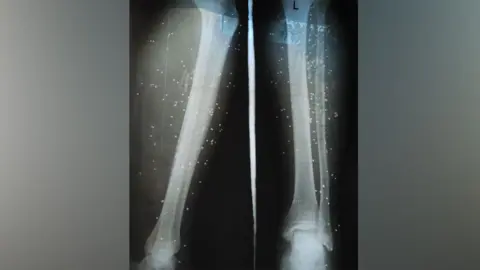
After being driven by strangers, they found shelter in a couple’s home and waited until dawn before finding a doctor to treat their wounds, ultimately enduring the pain of birdshot left in their bodies.
Numerous wounded protesters are choosing this path out of fear of encountering more violence in state-operated hospitals, where security forces closely monitor patients to identify demonstrators.
Reports indicate over 6,300 have died during recent protests, with at least 11,000 more seriously injured. The internet shutdown has worsened the situation, complicating accurate reporting and limiting international oversight.
The Human Rights Activists News Agency (HRANA) reports that many individuals are avoiding hospital treatment due to fears of authority consequences. Healthcare professionals, in turn, are willing to risk their safety to treat these individuals at home.
Despite claims from Iranian authorities that around 3,100 are dead mainly among security forces or bystanders, independent reports detail severe injuries and fatalities among protesters, highlighting a deepening human rights crisis.