Three Lebanese soldiers killed in Israeli strike on vehicle
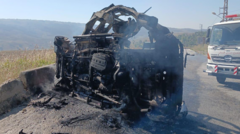
The Israel Defense Forces (IDF) opened an investigation after Israeli forces destroyed a vehicle carrying Lebanese soldiers in southern Lebanon on Saturday morning, according to the Lebanese Army, which said two officers and one regular soldier were killed in the incident.
The Lebanese Army called the strike an “aggressive and barbaric raid” and released images of the burnt-out wreckage. In contrast, the IDF characterised the vehicle as “moving suspiciously towards forces” and said gunfire had been reported in the area.
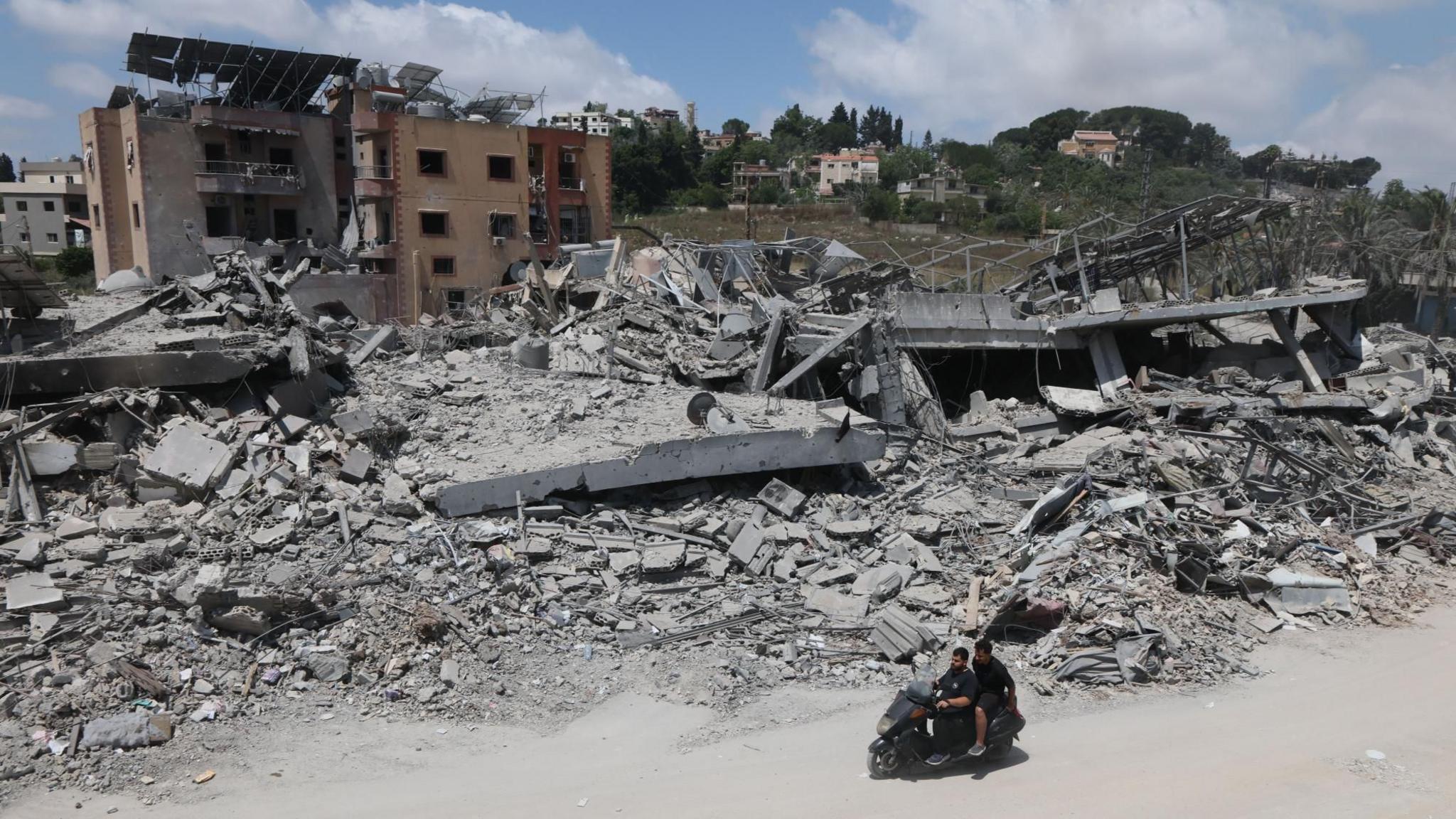
The attack took place on a road near the village of Kfar Tebnit, approximately four miles north of the Litani River and close to the city of Nabatieh, an area that has seen intense fighting and displacement in recent months. The IDF said the vehicle was travelling in an “active and evacuated combat zone” where it believes Hezbollah militants operate.
Regional context: Israel has been engaged in a conflict with the Lebanon‑based Hezbollah group since March, primarily in southern Lebanon. Hezbollah has launched rocket and drone attacks on Israeli territory, while Israel has carried out air strikes and a ground campaign to push the group northward. The Lebanese government, which opposes Hezbollah, has sought a ceasefire and mediation, but the 2024 ceasefire talks have stalled, partly because Hezbollah’s leadership rejected the bilateral agreement that the U.S. had helped broker.
A statement from the IDF reiterated that its forces are operating against Hezbollah, not against the Lebanese Army, and that troop movements in the area require coordination with Israeli forces. The Lebanese Army responded by calling the attack “brutal, deliberate and repeated aggression,” and warned that the government’s inability to control Hezbollah is a barrier to achieving a lasting ceasefire.
Broader geopolitical backdrop: The conflict began in March 2024 after Hezbollah fired rockets into Israel in retaliation for an Israeli strike that killed Iran’s Supreme Leader. Since then, the United States, Israel, and Iran have been involved in diplomatic efforts at various stages to curb the war in the region, with the U.S. insisting any ceasefire would require a pause in the campaign against Hezbollah. The Lebanese Army remains cautious, aiming to prevent further escalation while maintaining its sovereignty over its territory.