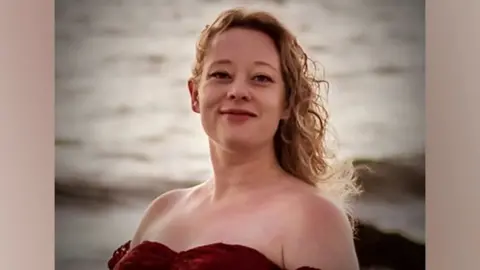
WASHINGTON (AP) — The tragic shooting of Renee Nicole Macklin Good, a 37-year-old mother of three, by a U.S. Immigration and Customs Enforcement (ICE) officer in Minneapolis has sparked significant outrage and conversation regarding immigration enforcement practices across the nation.
Originally from Colorado, Macklin Good had moved to Minnesota less than a year prior to her death and was reportedly a U.S. citizen with no prior criminal record beyond minor traffic violations. Describing herself online as a ‘poet and writer,’ she expressed pride in her family life and her community engagement.
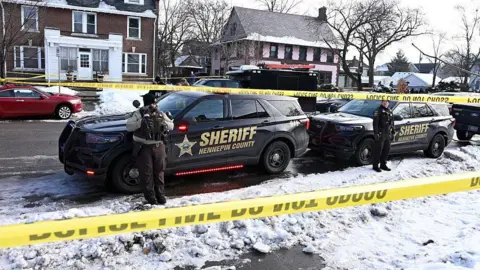
Eyewitness accounts reveal she was driving home from dropping her son at school when she encountered a group of ICE agents. Video footage from bystanders shows the escalating situation, where an officer commanded her to open her car door. As she attempted to move the vehicle, another officer fired several shots into her car at close range.
In the aftermath, a video captured a distraught woman lamenting near the scene, claiming, ‘That’s my wife, I don’t know what to do!’ highlighting the human impact of this tragedy.
Contrasting narratives have emerged following her death, particularly from Trump administration officials, who portrayed her as a domestic threat alleging she attempted to ram federal agents. However, her ex-husband has contested this characterization, asserting that Macklin Good was no activist and engaged more in her family than political protest.
Macklin Good’s mother, Donna Ganger, shared her sorrow, describing her daughter as one of the kindest individuals she knew, dedicated to serving others. Macklin Good had three children, aged 15, 12, and 6, and was primarily a stay-at-home mom in recent years, with a history in dental assistance and customer service.
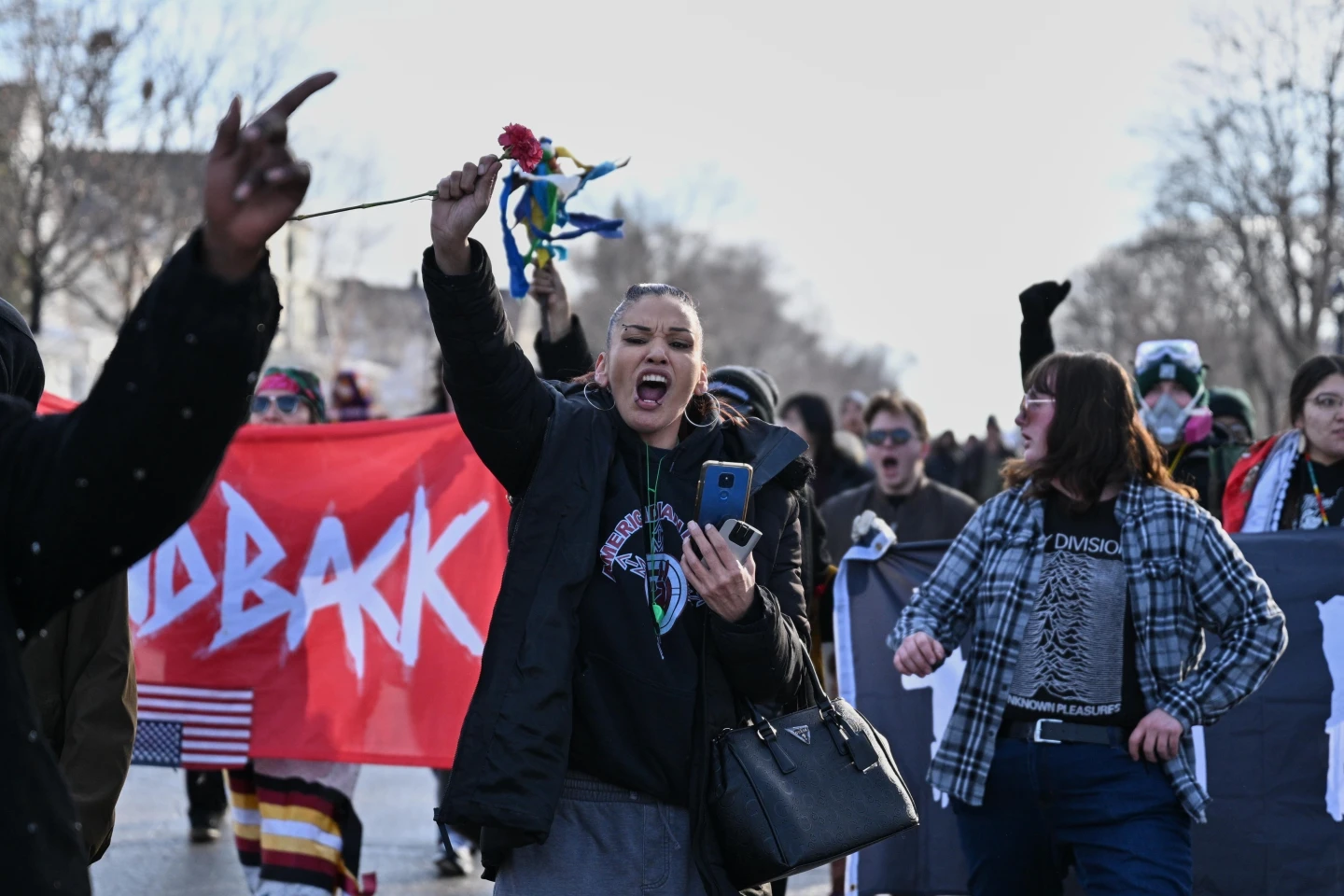
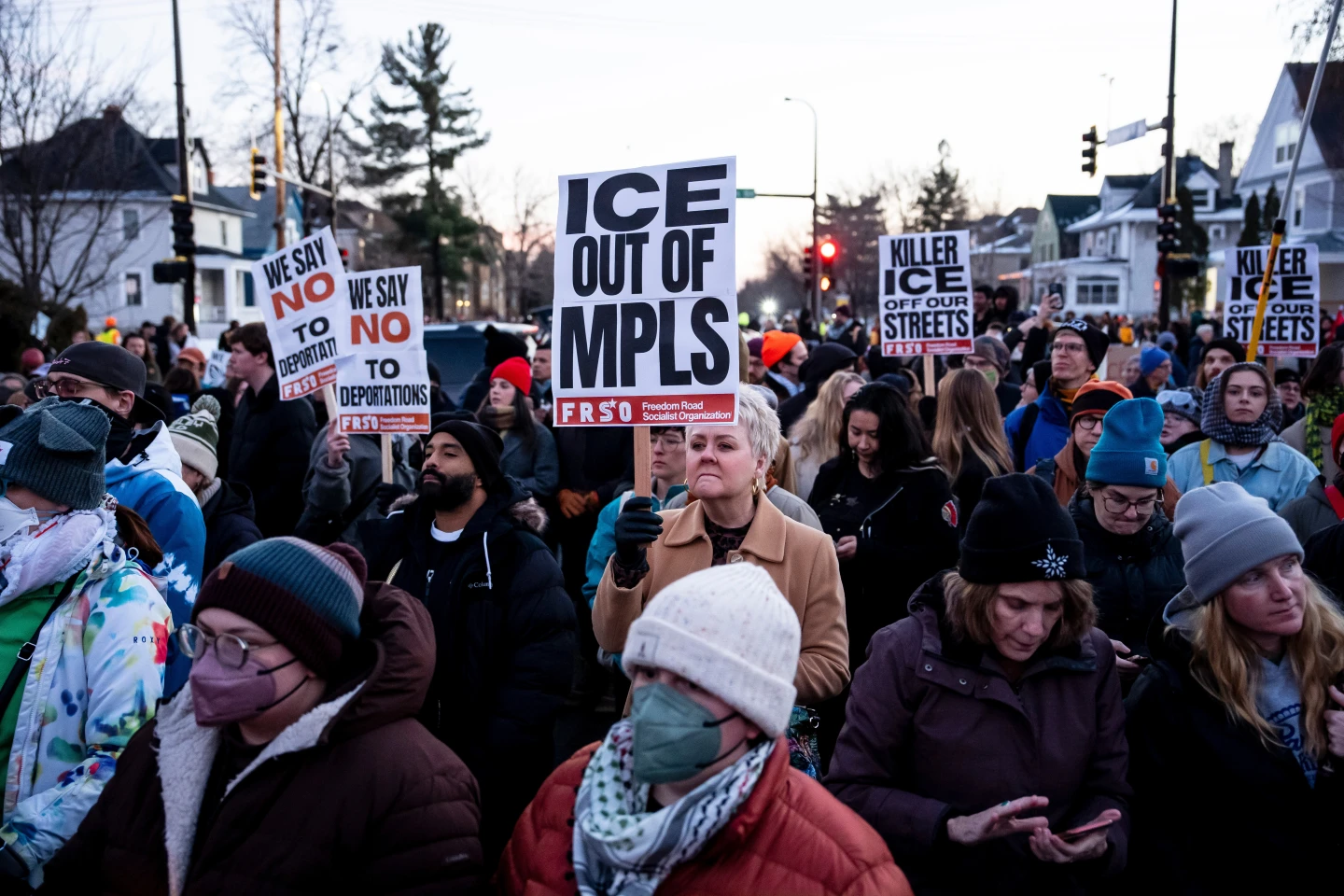
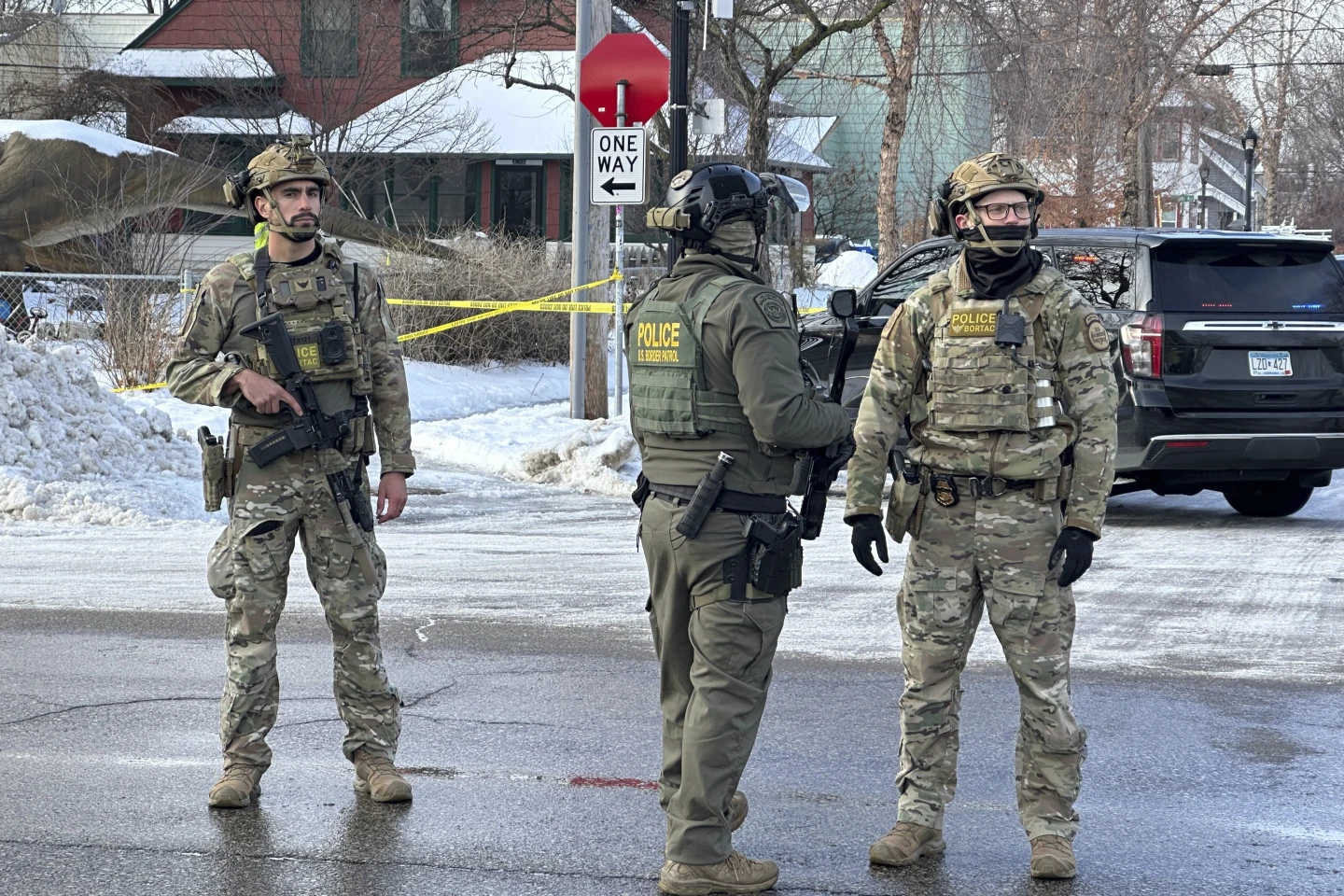
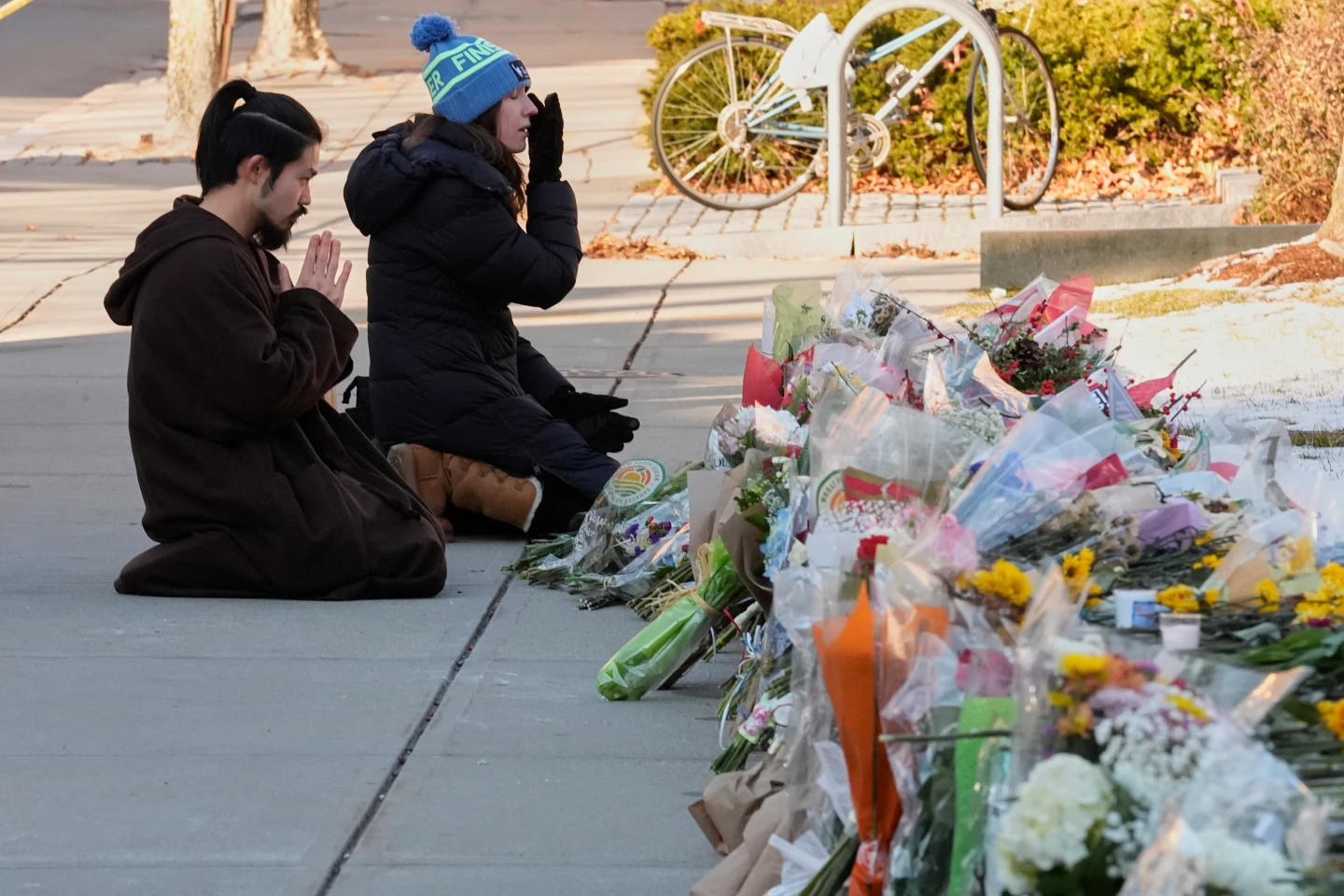
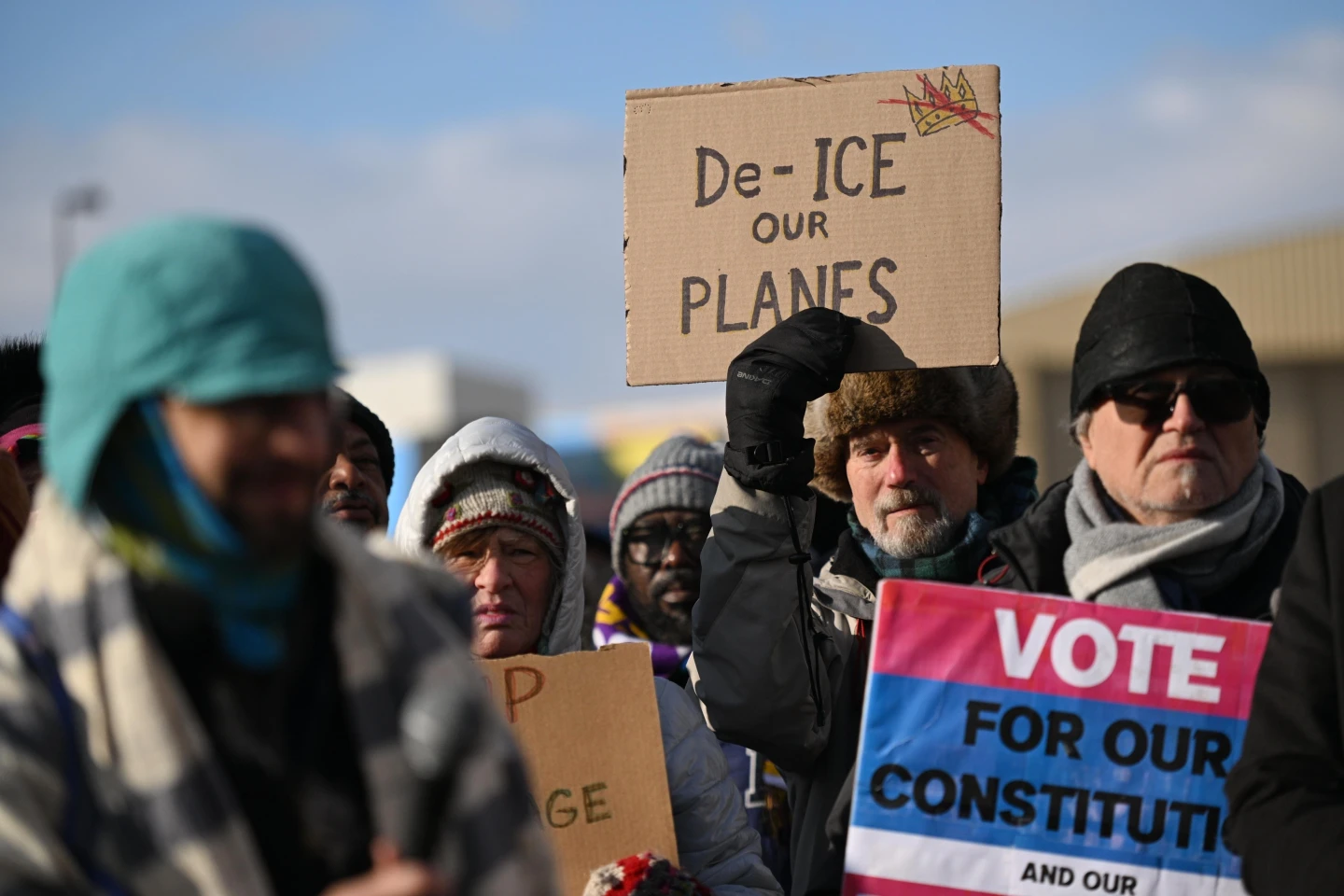
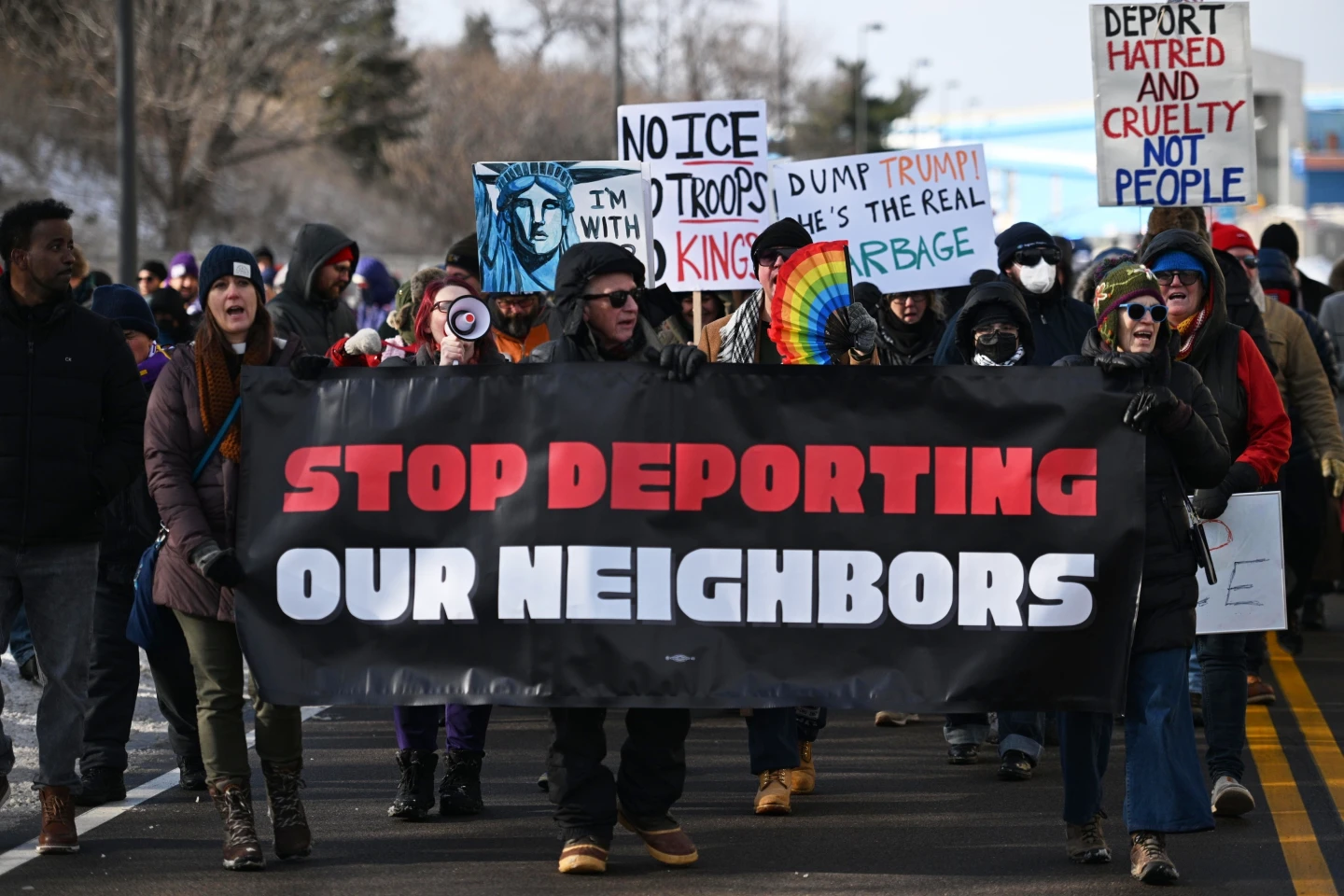
Community reactions have been mixed, with protests and discussions taking place across Minneapolis regarding police methods and the broader implications of immigration enforcement tactics. As the investigation into the incident unfolds, the legacy of Renee Nicole Macklin Good continues to prompt essential dialogues surrounding issues of safety, justice, and compassion in law enforcement practices.