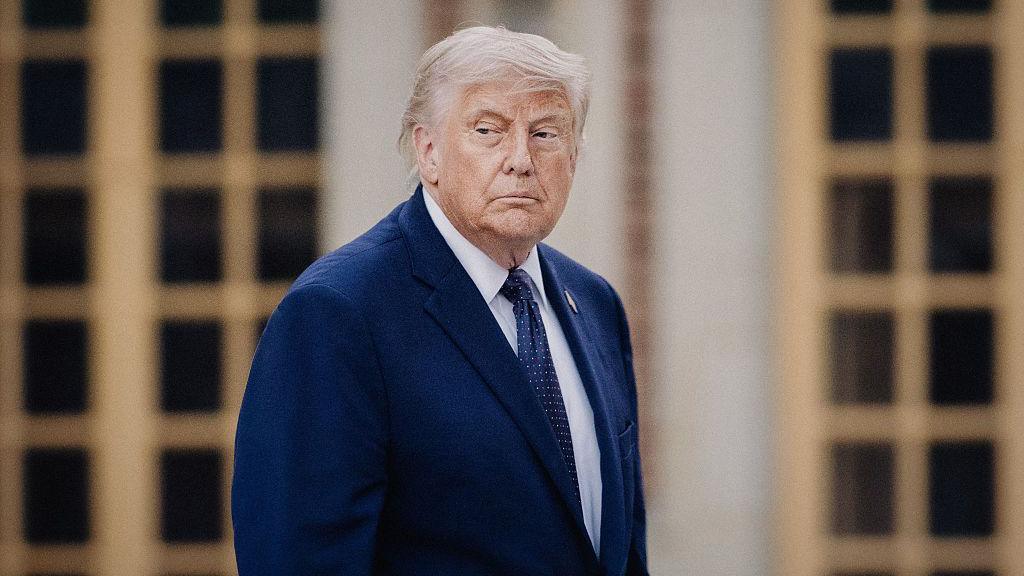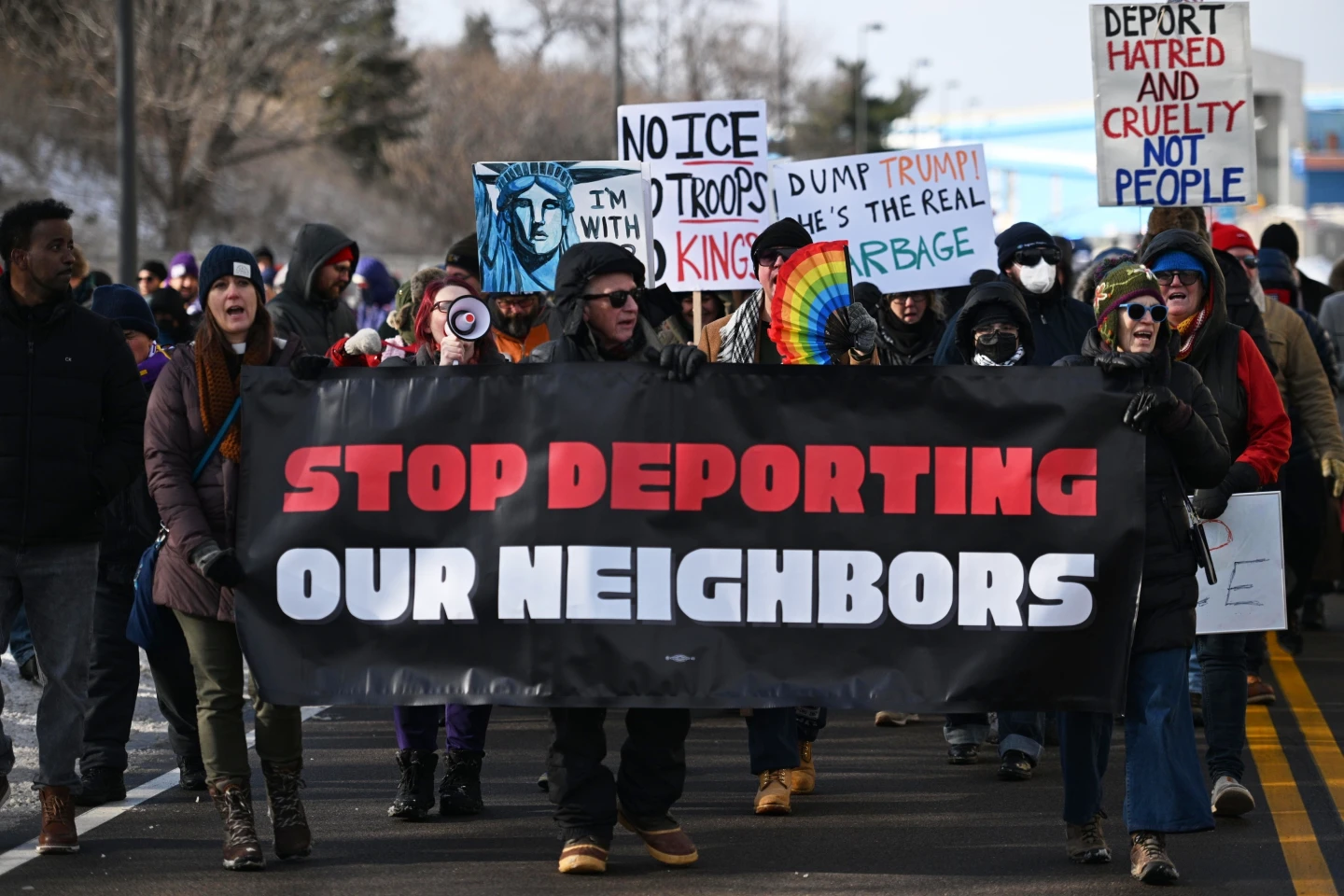
MINNEAPOLIS (AP) — President Trump's recent comments regarding Somali immigrants have raised eyebrows and sparked outrage within the Somali community, particularly in Minnesota, where the largest Somali population in the U.S. resides. At a Cabinet meeting, Trump stated that Somalis contribute nothing to the U.S. and suggested they should be removed from the country, describing them as 'garbage' that has destroyed the nation.
Hamse Warfe, a successful U.S.-born entrepreneur from the Minneapolis area and founder of the nonprofit World Savvy, vehemently rejected Trump's assertions. He emphasized, 'I am not garbage,' highlighting the positive contributions many members of the Somali community have made to the diverse fabric of American society.
The Minneapolis-St. Paul area is home to approximately 84,000 individuals of Somali descent, representing nearly one-third of all Somalis living in the United States. This community has thrived since migrating to Minnesota in the 1990s, drawn by the state's robust social services and a growing diaspora network.
As one example of Somali success in civic engagement, Democratic Rep. Ilhan Omar, a frequent target of Trump, serves in the U.S. House and represents parts of the state, further exemplifying the community's significant political presence.
Trump's comments come amidst heightened tensions surrounding immigration policy, particularly following a shooting that involved a suspect from Afghanistan. The administration has also launched discussions about immigration enforcement operations focused on undocumented Somali immigrants in Minnesota.
Both local leaders and community members have responded defensively to Trump's comments. Minneapolis Mayor Jacob Frey and Minnesota Governor Tim Walz have publicly stood in solidarity with the Somali community, asserting their commitment to protecting all residents.
'We will stand up for our residents,' said Mayor Frey, articulating an inclusive vision for the city amid growing divisions fueled by harmful rhetoric.
The controversy encapsulates complex narratives surrounding immigration, identity, and the broader societal impact of words — particularly when uttered by those in positions of power.
Hamse Warfe, a successful U.S.-born entrepreneur from the Minneapolis area and founder of the nonprofit World Savvy, vehemently rejected Trump's assertions. He emphasized, 'I am not garbage,' highlighting the positive contributions many members of the Somali community have made to the diverse fabric of American society.
The Minneapolis-St. Paul area is home to approximately 84,000 individuals of Somali descent, representing nearly one-third of all Somalis living in the United States. This community has thrived since migrating to Minnesota in the 1990s, drawn by the state's robust social services and a growing diaspora network.
As one example of Somali success in civic engagement, Democratic Rep. Ilhan Omar, a frequent target of Trump, serves in the U.S. House and represents parts of the state, further exemplifying the community's significant political presence.
Trump's comments come amidst heightened tensions surrounding immigration policy, particularly following a shooting that involved a suspect from Afghanistan. The administration has also launched discussions about immigration enforcement operations focused on undocumented Somali immigrants in Minnesota.
Both local leaders and community members have responded defensively to Trump's comments. Minneapolis Mayor Jacob Frey and Minnesota Governor Tim Walz have publicly stood in solidarity with the Somali community, asserting their commitment to protecting all residents.
'We will stand up for our residents,' said Mayor Frey, articulating an inclusive vision for the city amid growing divisions fueled by harmful rhetoric.
The controversy encapsulates complex narratives surrounding immigration, identity, and the broader societal impact of words — particularly when uttered by those in positions of power.