Trump‑Xi Summit: Silence on Key Issues Signals Tension
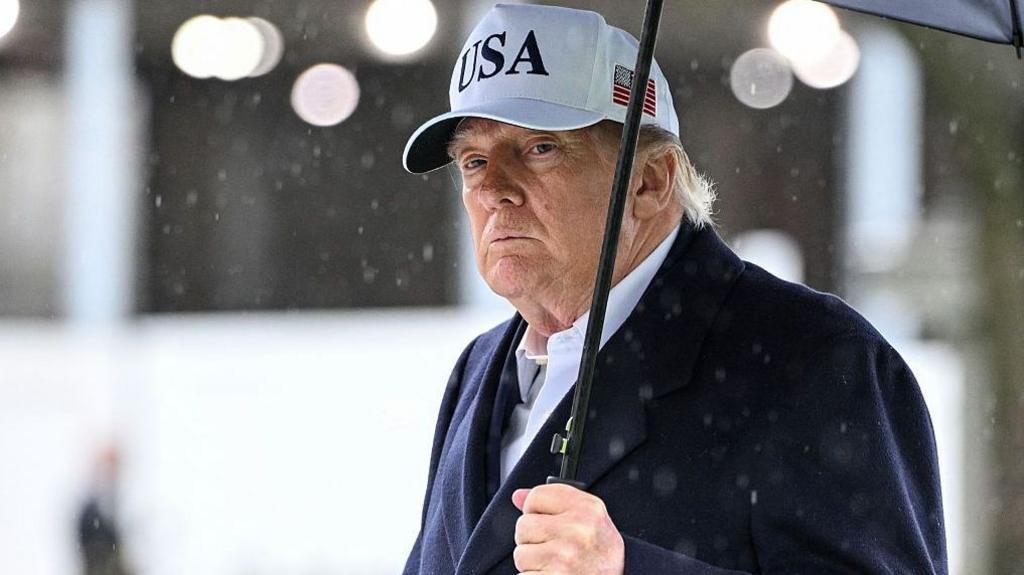
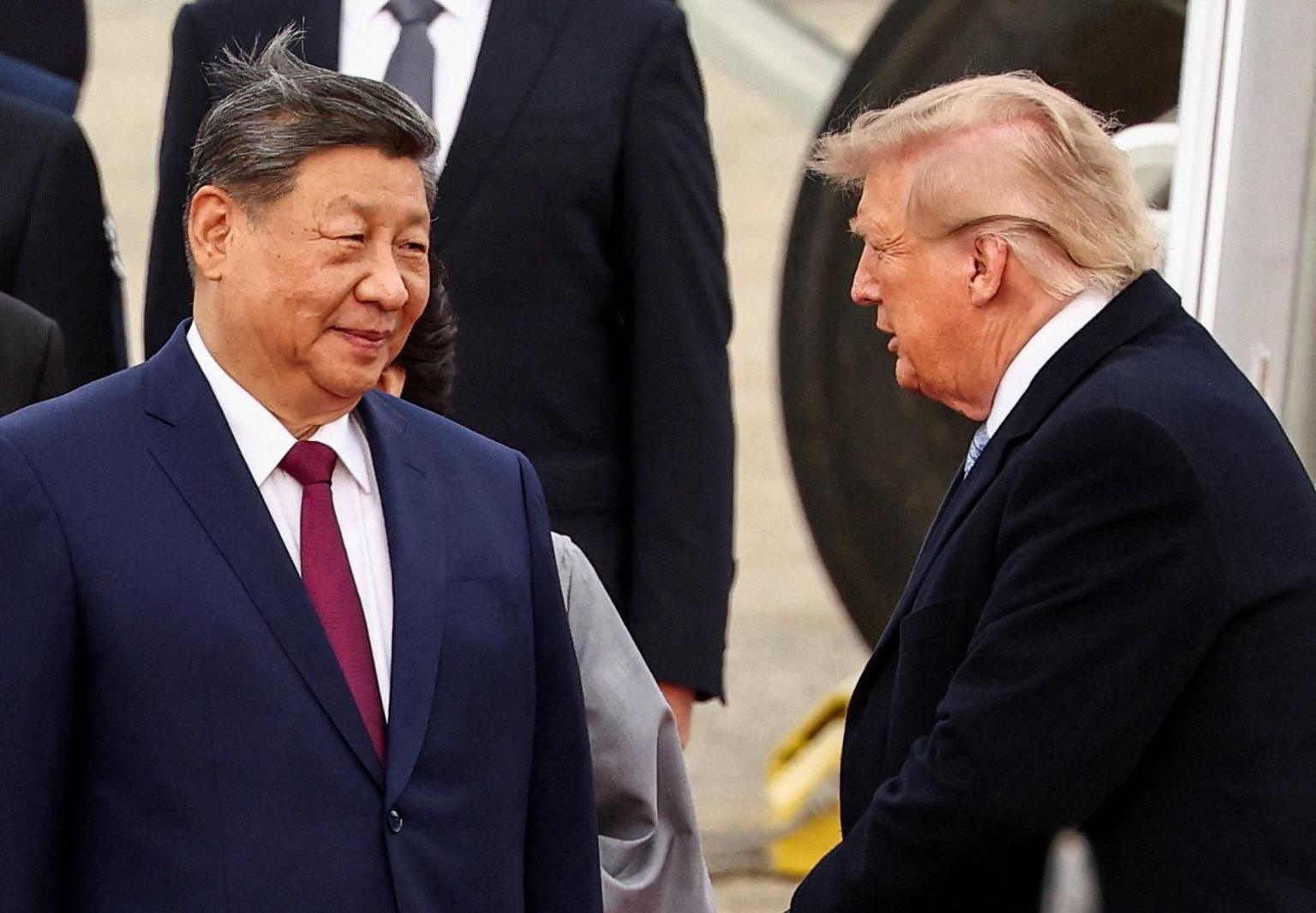
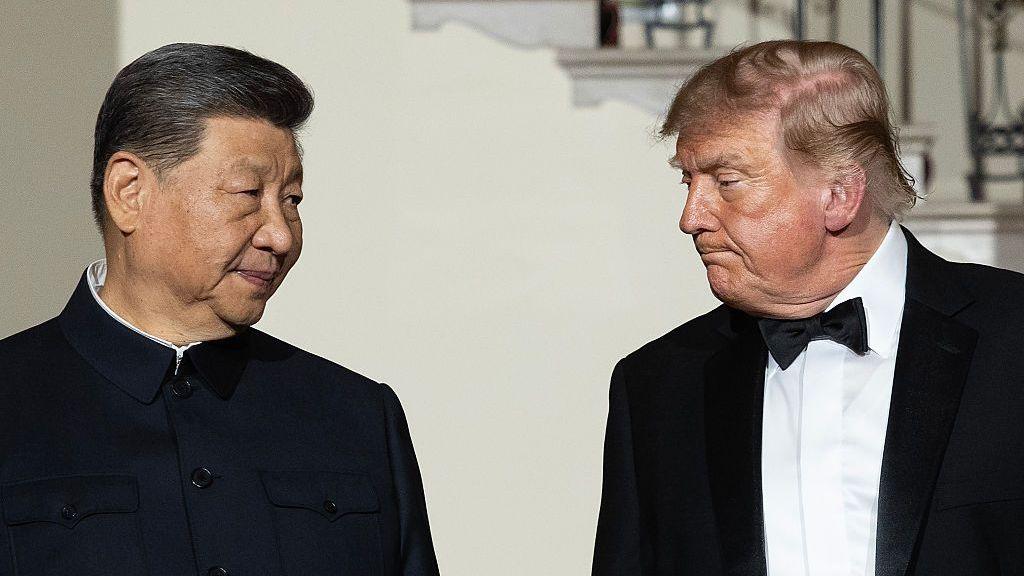
On Monday China released a brief summary of talks that took place between former U.S. president Donald Trump and Chinese leader Xi Jinping in Washington. The release details three key points – a new AI dialogue, a short‑term trade truce and limited investment openings – yet it conspicuously omits substantive progress on Taiwan or the high‑tech corridor that has been a sticking point for both nations.
A New AI Dialogue, but Only a Small Step
Both sides agreed to launch a new joint dialogue on artificial intelligence, with follow‑up meetings slated for the end of November. The goal, according to Beijing, is to introduce "guardrails" on AI that is increasingly used in business and military planning. In addition, the two governments will create a communication channel for AI‑related incidents to prevent misunderstandings from escalating.
Only a Brief Trade Truce
China’s state media confirmed that the trade truce, first announced in May, will be extended only until 10 January. The extension allows the leaders to meet again at major international summits, with Trump attending the APEC summit in Shenzhen and Xi heading to the G20 in Miami. The two‑month reprieve has yielded lower tariffs on roughly $30 billion of goods flowing into the United States – from toys to Christmas decorations – and a pledge for Beijing to purchase at least 10 million metric tons of U.S. coal in 2027 and 2028. Nothing was said about rare‑earth exports or easing restrictions on advanced U.S. semiconductors.
Silence on Taiwan, a Major Red Flag
The White House fact sheet made no reference to Taiwan, yet Beijing’s account repeatedly highlighted Xi’s insistence that Trump should refuse to support Taiwan independence. After a prior meeting in May, Trump had claimed Xi asked whether the U.S. would defend Taiwan if China attacked, a question he later framed as rhetorical. In this latest encounter, Trump offered only vague reassurance, saying the issue was "just moving along" and that Xi understood his position. No U.S. arms package for Taiwan was announced, and the State Department clarified that U.S. law prohibits arms sales to China.
Opening Investment Doors, Yet Cautiously
China said it would allow more foreign financial firms—including American‑backed banks and insurers—to apply to operate within its borders, but all approvals would still be subject to Chinese regulations. While the offers improve access nominally, businesses report ongoing concerns about licensing, exit bans and arbitrary enforcement. Beijing also hinted at increasing flight connectivity, though concrete plans are yet to be disclosed. Despite granting visa‑free entry to travelers from over 75 countries, China has not extended that offer to U.S. citizens, and the State Department continues to advise caution for travellers to China.
What We Know Now
The summit produced dialogue but limited change. AI talks, a modest trade truce and a cautious opening for investment were achieved, but core disputes over Taiwan, semiconductors and rare‑earth supplies remain unresolved. Both leaders promise continued communication channels, yet the underlying mistrust suggests that significant compromise is still distant.