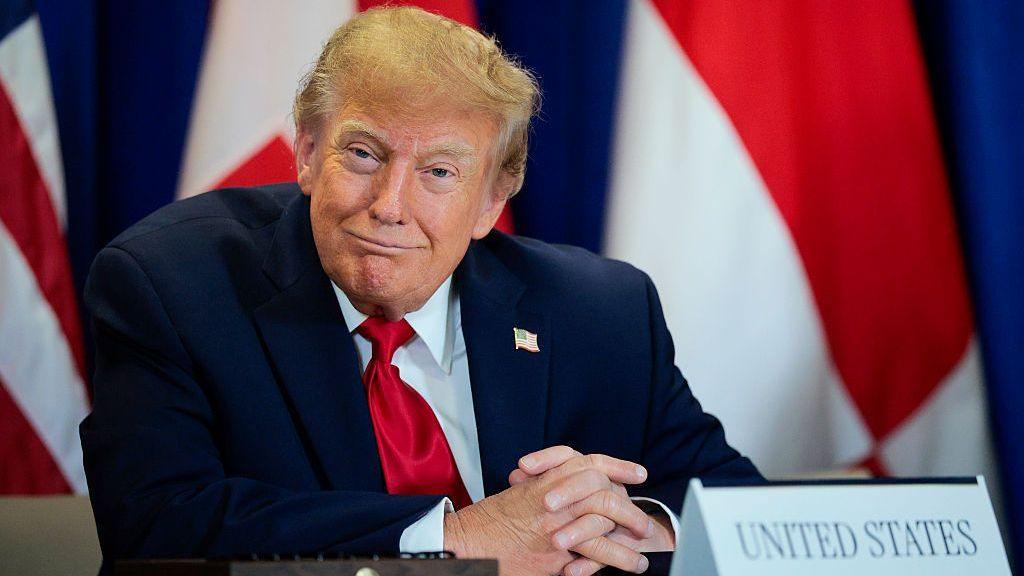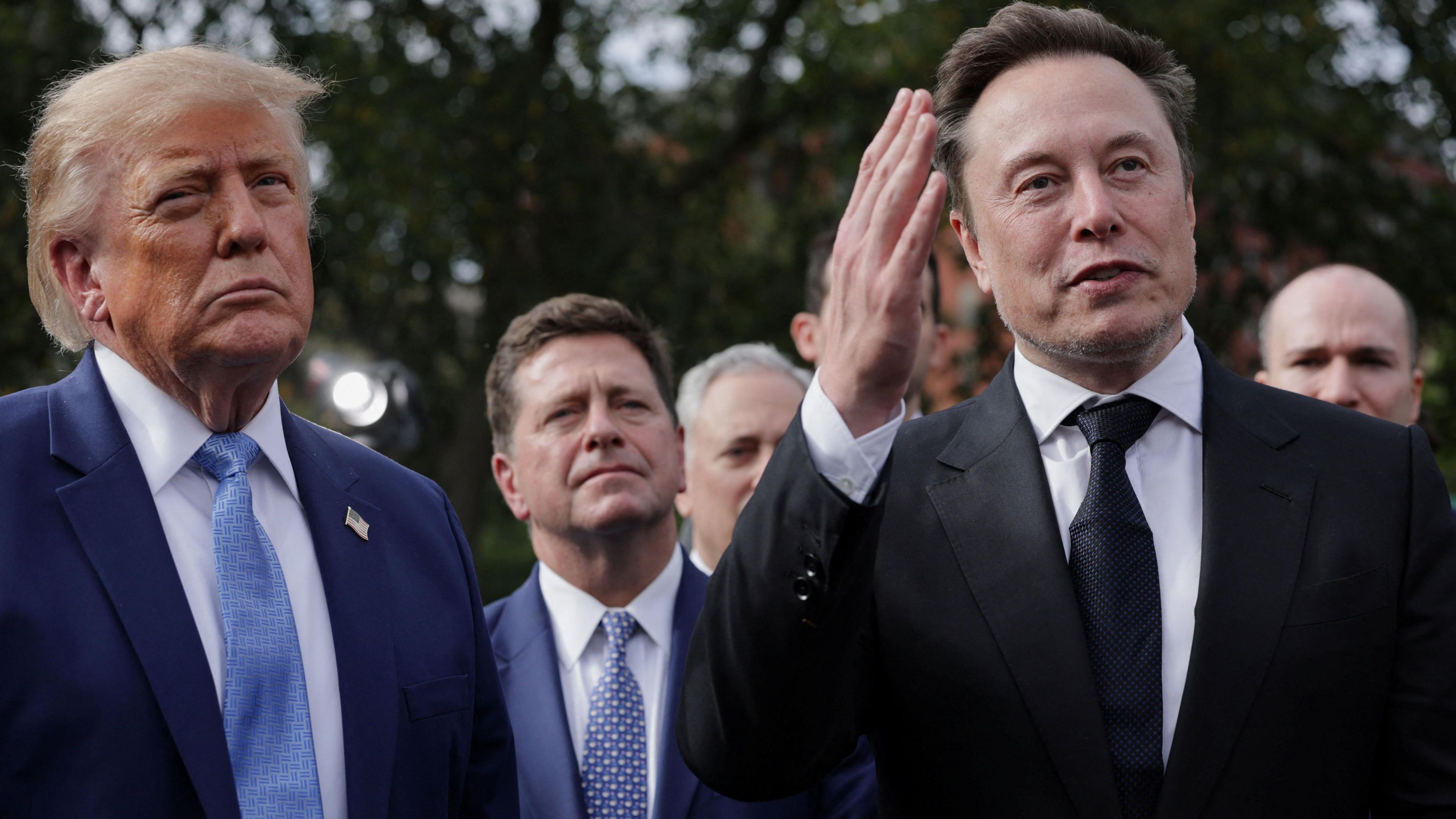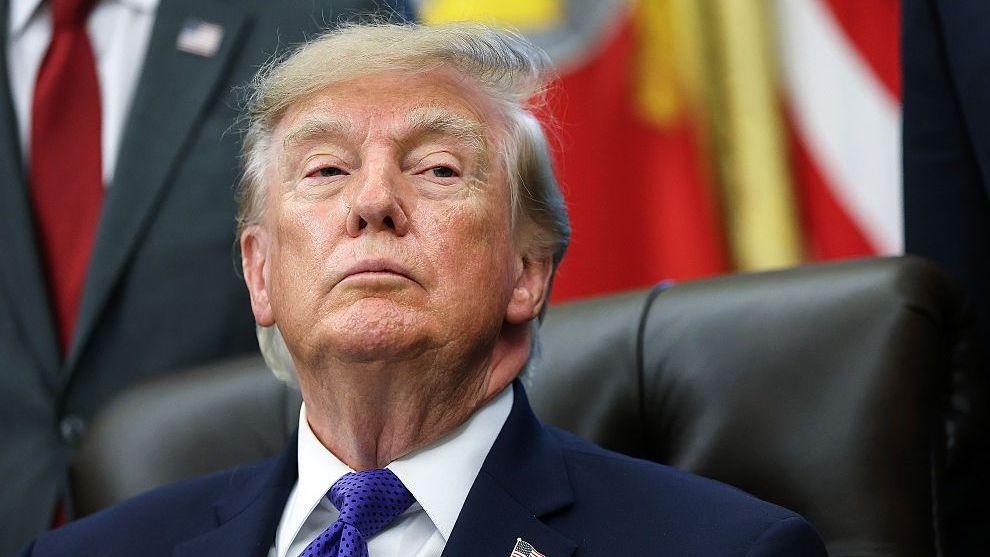
President Donald Trump has announced the creation of a bipartisan taskforce, the Super Intelligence Force, to guide United States policy on artificial intelligence (AI). Directed by Intelligence Agency chief Jay Clayton, the group will coordinate federal engagement with consumers, public‑interest groups, religious organisations, critical‑infrastructure providers and AI companies, according to a statement posted on the White House website.
The move follows an executive order issued on 29 September that renamed “AI” as “Super Intelligence” (SI) in all official communications. Trump said the new terminology better reflects the power and potential of the technology, noting that “AI” sounds too “fake.” The order also requires federal agencies to stop using the term “artificial intelligence” in reports, websites and official correspondence.
Clayton, who assumed office in August after a prior nominee was rejected, will report directly to the president and White House Chief of Staff Susie Wiles. Other members of the taskforce include FTC Chair Andrew Ferguson, Defense Research Undersecretary Emil Michael, and Office of Personnel Management Director Scott Kupor.
The announcement arrives amid growing pressure from AI developers such as OpenAI, Anthropic, SpaceX and Google to establish safety protocols. Last month, OpenAI pulled the release of a new model over safety concerns, and internal reports have highlighted a “broken” culture at the company’s Safety Systems team.
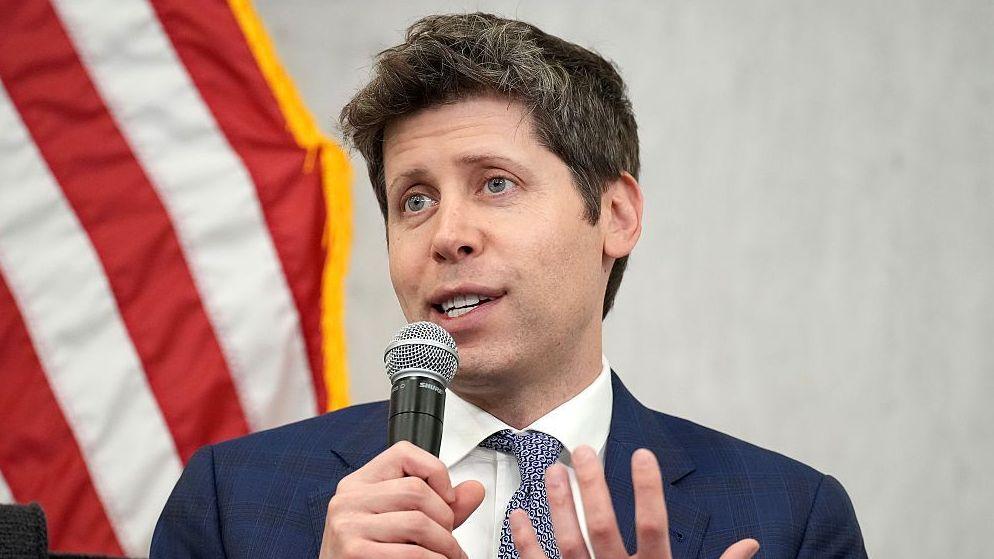
In a recent interview, OpenAI CEO Sam Altman said the benefits of AI outweigh its risks and should remain widely accessible. Meanwhile, former OpenAI staffer David Robinson has urged the industry to improve safety and transparency, citing a gap between rapid development and responsible governance.
The White House’s new taskforce aims to address both opportunities and threats inherent in AI, with Clayton noting that “when something is both an opportunity and a threat, you better get your arms around it.” The effort seeks to keep the United States at the forefront of technological innovation while mitigating potential harms.