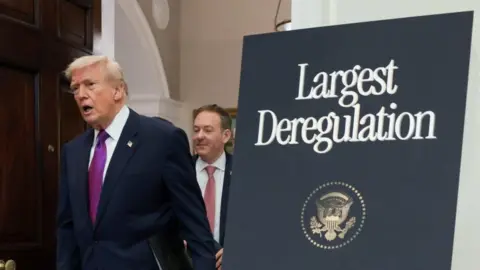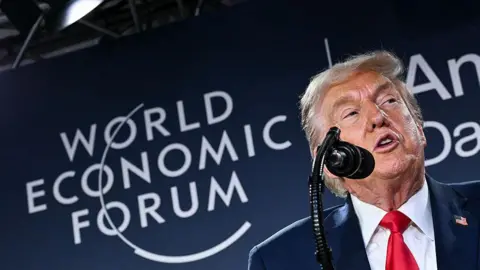
At the recent World Economic Forum in Davos, President Donald Trump made headlines with his controversial remarks about Europe. Without us, right now you'd all be speaking German, he stated, a remark some found not only blunt but inaccurate, given Switzerland's multilingualism. This rhetoric, familiar to Trump’s supporters, was received with irritation from various European leaders, who viewed it as overbearing and disrespectful.
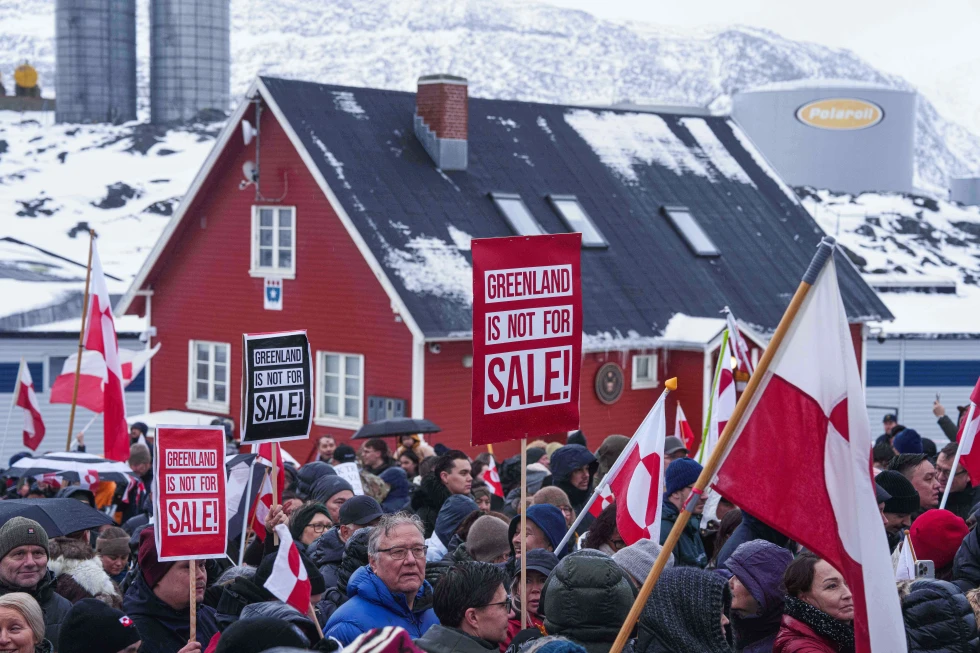
Countries from Brussels to Berlin to Paris have expressed concerns regarding his speech, which echoed themes he has regularly discussed but resonated differently on European soil. Leaders across the continent found relief in Trump's assurance that military action to acquire Greenland was ruled out. However, the matter remains contentious, as Trump reiterated his belief that the U.S. should not have returned Greenland after World War II.
Responses from European officials have been mixed. Lars Løkke Rasmussen, Denmark's Foreign Minister, acknowledged Trump's comments as positive in isolation, but they still reflect an underlying tension in U.S.-European relations. Greenland’s government, managing its sovereignty amid U.S. interest in the territory, released guidelines for potential crises, further highlighting the anxiety Trump's rhetoric has generated.
Moreover, Trump returned to familiar criticisms of NATO allies, particularly disparaging Denmark's historical defense failures during World War II while overlooking its contributions as a military ally in the decades since. At the forefront of his criticisms was French President Emmanuel Macron, whom Trump mocked for his sunglasses while downplaying the sincerity of past cordiality.
The growing weariness over Trump’s jibes has spurred European leaders to reconsider their diplomatic approach. With an emergency summit upcoming, there’s a sense of urgency to assess whether to escalate their language against U.S. policy or to wait and see if Trump follows through on threatened tariffs against European nations.
As Trump continues to assert his agenda with little regard for European sentiments, the once strong transatlantic partnership faces challenging times ahead, with leaders striving to balance respect and sovereignty against the United States' often unilateral approach.