In brief
In the wake of Donald Trump's controversial statements regarding Greenland and the post-World War II world order, his presidency is seen as a transformative force. This article explores his bold proclamations, potential invasion tactics, and the reactions of global leaders to his approach, signaling a departure from established diplomatic norms.
On his first day of the second term, President Donald Trump put the world on alert with his statement, Nothing will stand in our way, posing concerns over his direction. His reference to the 19th century concept of manifest destiny draws parallels to his latest ambitions regarding Greenland, prompting serious implications for international relations.
Historically, American presidents have refrained from overtly threatening allies' territories, but Trump's proposed attachment of Greenland marks a pivotal shift in the conduct of U.S. foreign policy. With expressions of absolute resolve, his declaration has raised alarm among U.S. allies and raised questions on the future of NATO, accompanied by stark warnings from international leaders condemning any aggression.
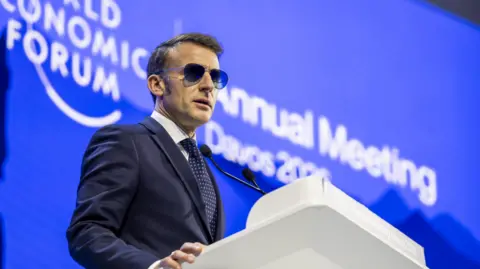
The responses have varied, with some Republican supporters backing Trump's approach as an assertive America First agenda, while critics warn of a return to imperialistic tactics void of respect for international law. French President Emmanuel Macron's remarks underscored the risks of a world where criminality supersedes established treaties, hinting at a broader fracturing of global alliances.
As concerns burgeon over Trump potentially inciting a trade war or militaristic actions, defenders argue that his intentions might be mischaracterized; others see him as exploiting global weaknesses. The uncertainty around his motives adds layers of complexity to America's diplomatic standing.
This upcoming landscape appears fraught with challenges as leaders scramble to find common ground amidst Trump's shifting ideologies.