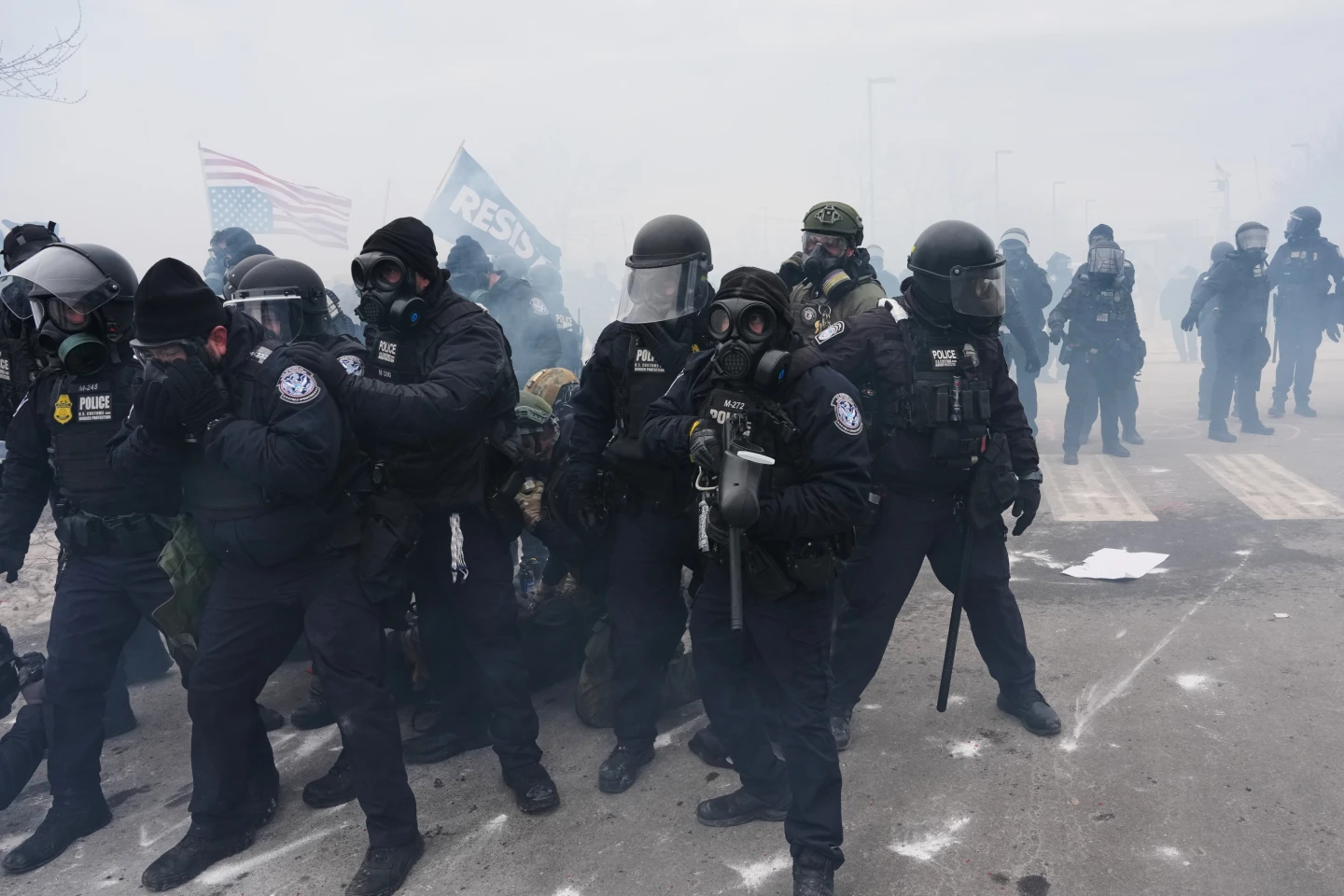
The intensification of immigration enforcement in Minneapolis has coincided with the Trump administration's increased use of slogans and imagery that resonate with far-right groups. Following a notable ICE shooting incident, social media posts from government departments featured references that critics argue echo white supremacist rhetoric.
On January 9, the Department of Homeland Security shared an image accompanied by the phrase “We’ll have our home again,” referencing a song embraced by extremist groups. The day after, the Department of Labor post highlighted nationalist themes that some critics compared to Nazi slogans. These actions have revived discussions about the administration's messaging strategies, which some fear could normalize extremist dialogue.
In response to the backlash over these posts, White House officials dismissed criticisms as exaggerated. They insisted that their messaging was aimed at addressing illegal immigration, rather than drawing from white nationalist rhetoric. However, experts have noted that the administration’s references to extremist language appear intentional and might be calculated to resonate with a specific supporter base.
Despite considerable support from a diverse voter base, Trump's earlier immigration policies have sparked connections to white supremacy, leading to accusations of dog-whistle politics. Some supporters have embraced themes that intersect with white nationalism, further complicating public discourse around immigration and national identity.
The administration's deflection of criticism is evident in the dismissive language used by spokespeople, who argue that such accusations are simply part of a partisan agenda. Nonetheless, observers suggest that the strategic use of loaded imagery and language is alarmingly familiar to far-right discourse, raising concerns over the long-term implications for political rhetoric in the U.S.