MINNEAPOLIS, Minn. – In a significant development highlighting immigration enforcement procedures, Garrison Gibson, a 37-year-old Liberian man, was detained again just a day after a federal judge ordered his release due to a controversial arrest last weekend.
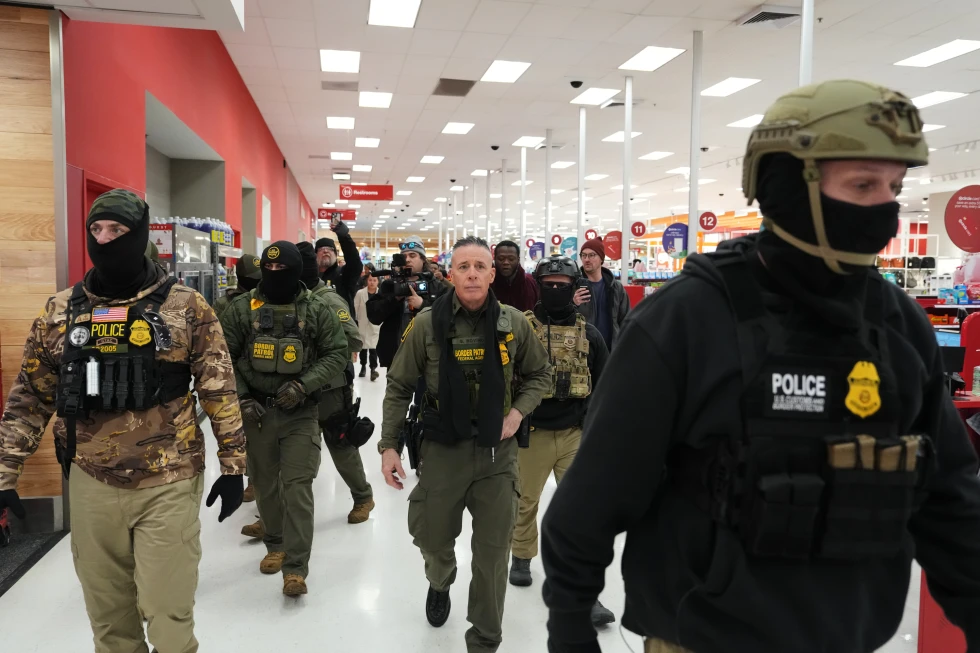
Gibson’s initial arrest was executed by armed immigration agents using a battering ram, an action that garnered public attention and backlash. U.S. District Judge Jeffrey Bryan ruled on Thursday that the arrest was unlawful as it occurred without a judicial warrant. Nonetheless, Gibson found himself back in custody after attending a routine check-in with immigration authorities. Attorney Marc Prokosch recounted the confused circumstances surrounding Gibson's rearrest, indicating that an officer who initially seemed satisfied with Gibson’s compliance was quickly outnumbered by several other agents who took him back into custody.
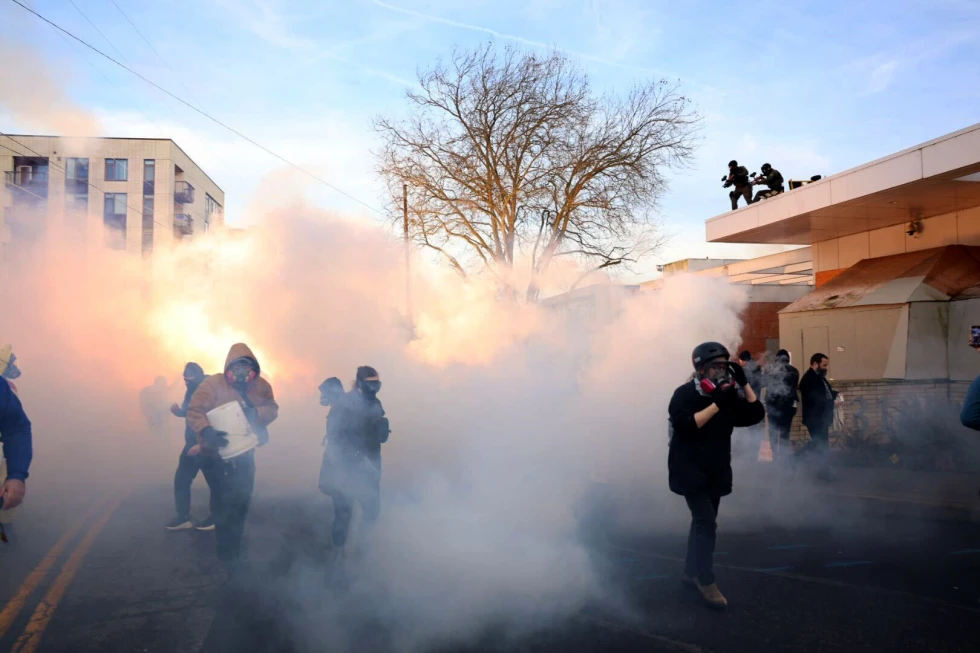
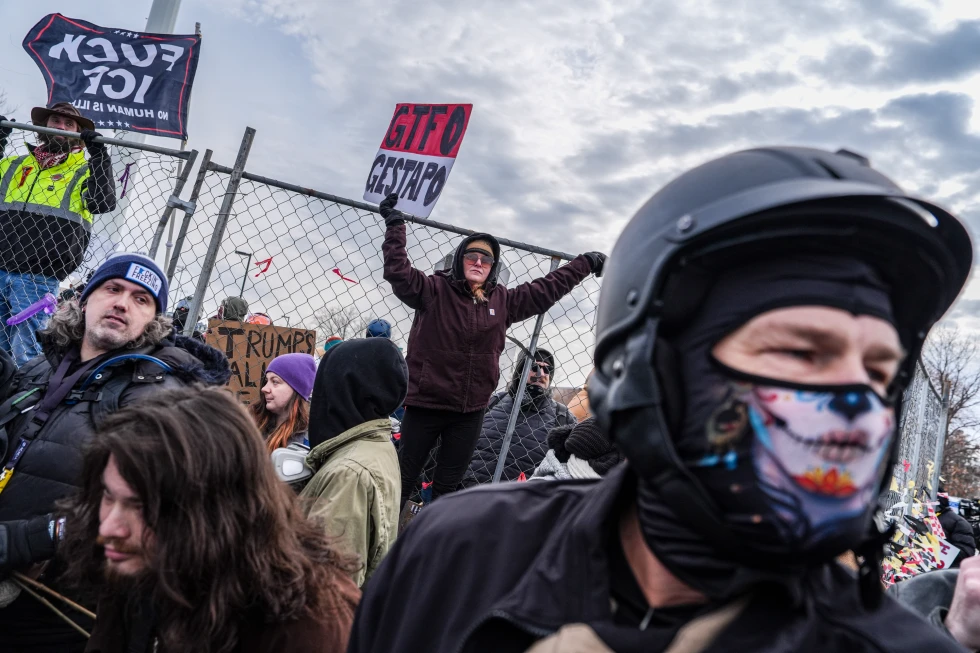
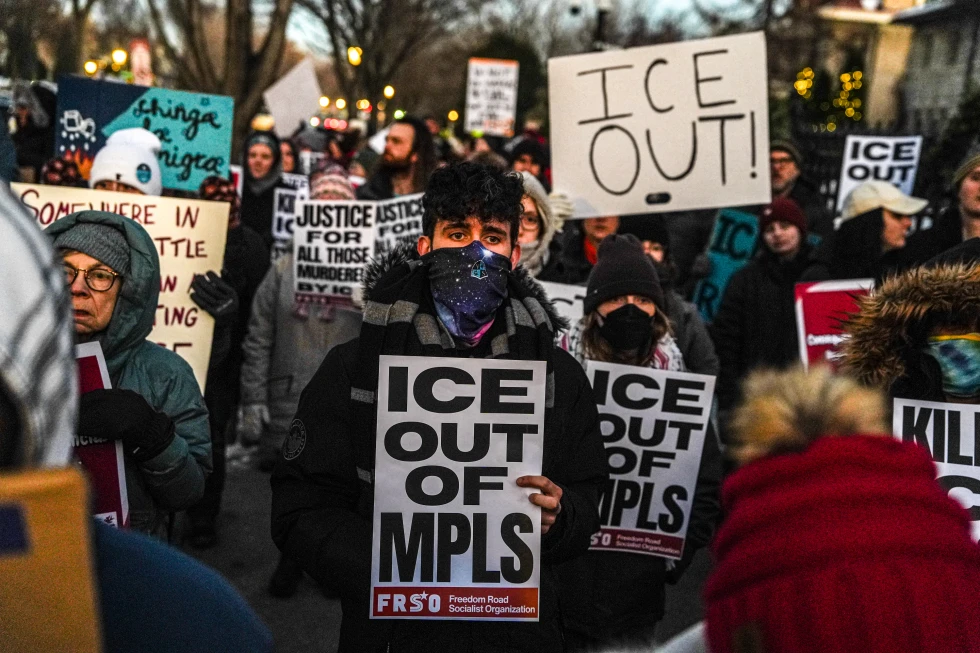
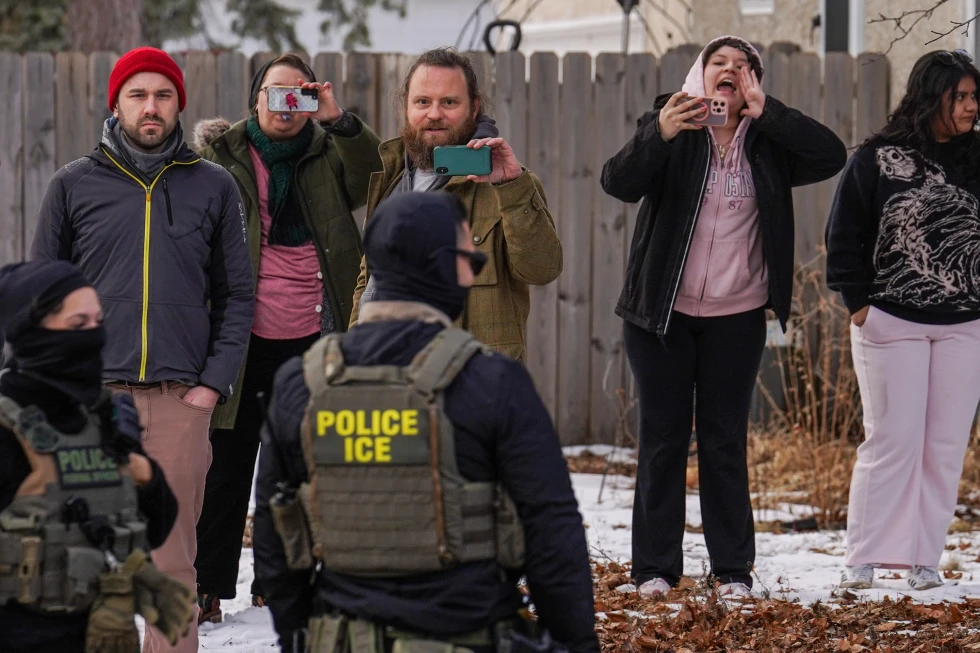
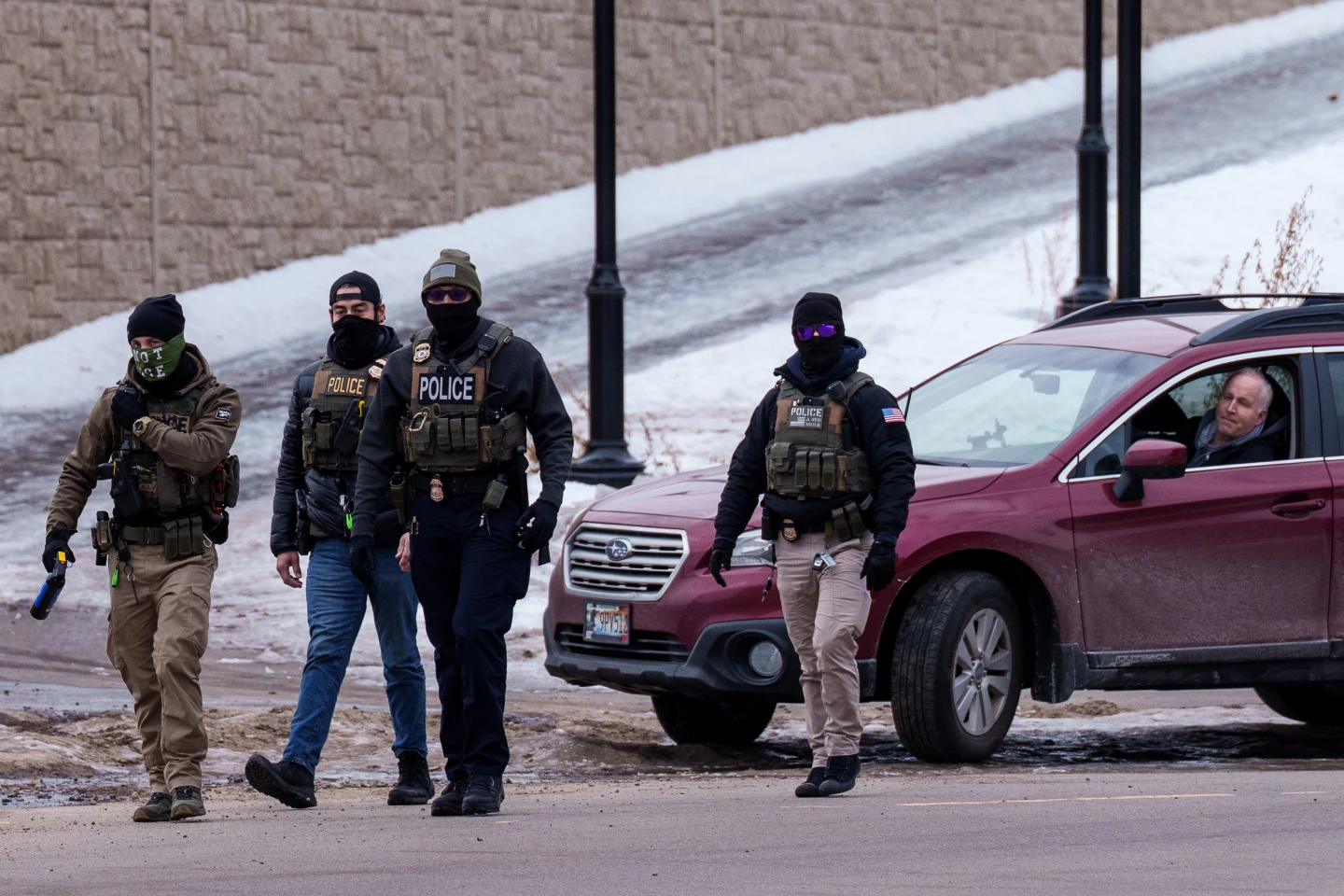
This case is part of a larger controversy in which over 2,500 arrests have been reported amid an intensified immigration crackdown in the Minneapolis and St. Paul areas. These actions have been criticized for being aggressive and confrontational, particularly following a fatal shooting earlier this year, which activists indicate has exacerbated the community's fear and distrust of immigration enforcement.
Gibson fled the Liberian civil war during his childhood but now faces potential deportation due to a 2008 drug conviction that was later dismissed. He has remained legally in the U.S. under an order of supervision, which requires periodic check-ins with immigration officials.
In response to increased ICE activity, tribal leaders and organizations are advising Native Americans to carry their tribal IDs to avoid potential detainment. Reports suggest that many Indigenous people have had encounters with immigration agents, prompting tribal leadership to express serious concerns about the implications for their communities.
Amid these enforcement actions, discussions around policy and procedural morality in immigration enforcement are actively being debated, with some calling for immediate reforms. Moreover, political tensions escalate as President Trump threatens to invoke the Insurrection Act in response to protests related to these immigration sweeps, further complicating the national dialogue on immigration reform.