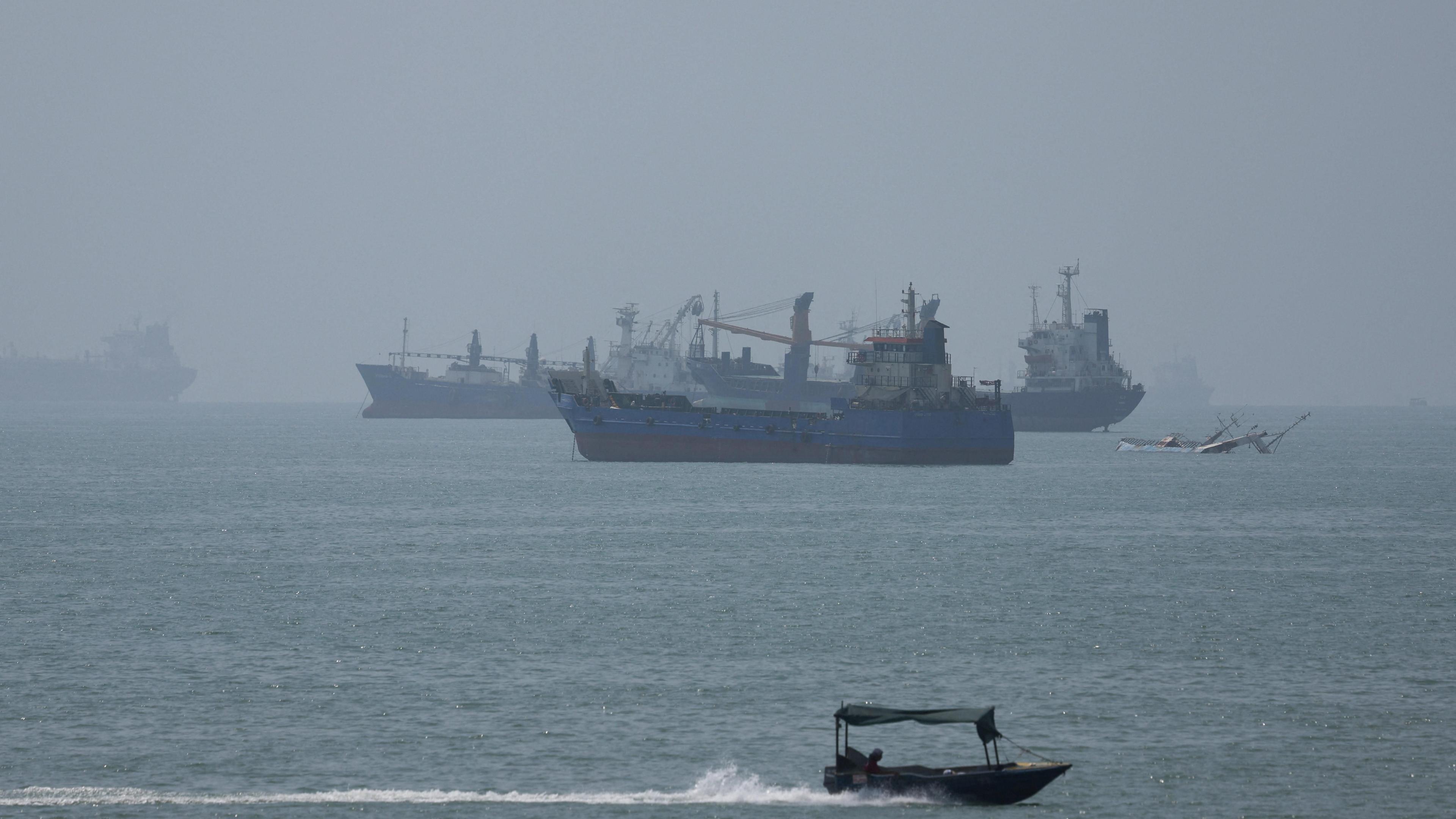
US‑Iran Showdown Over Strait of Hormuz Threatens Global Shipping
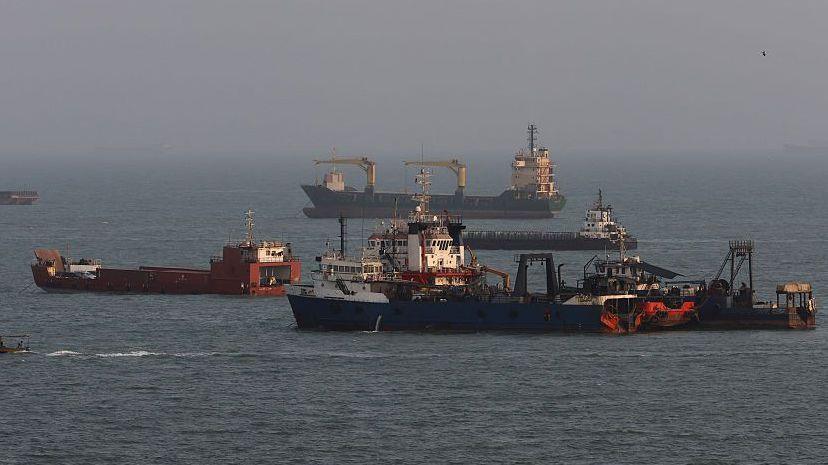
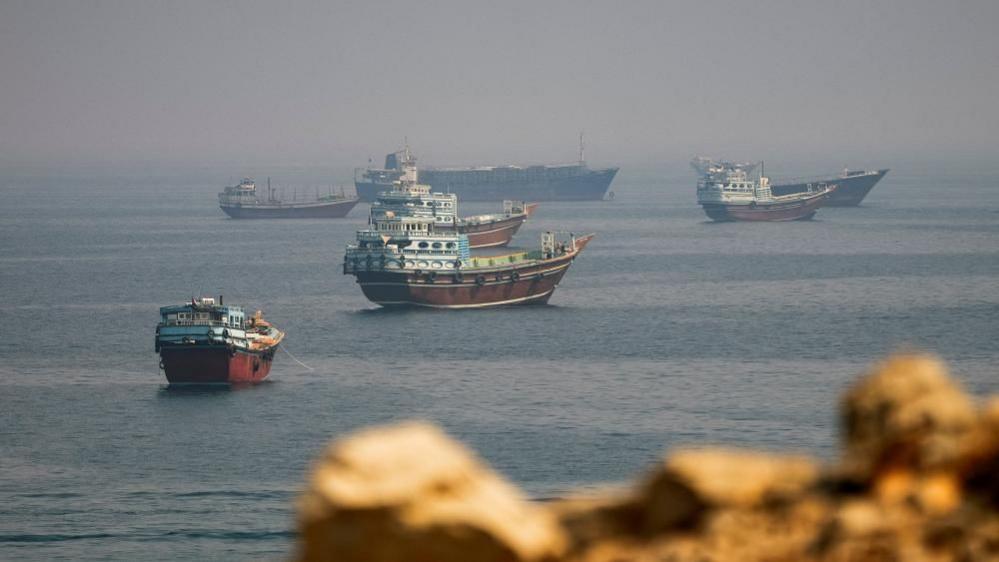
A recent escalation between the United States and Iran has turned the Strait of Hormuz – the choke‑point that funnels a third of the world’s oil into global markets – into a flash point. Stricter measures announced in the past week saw Iran declare the channel closed, while Washington counters that the strait remains open for international traffic. The disagreement threatens to undermine a cease‑fire deal signed last month that was supposed to clear the waters for maritime commerce.
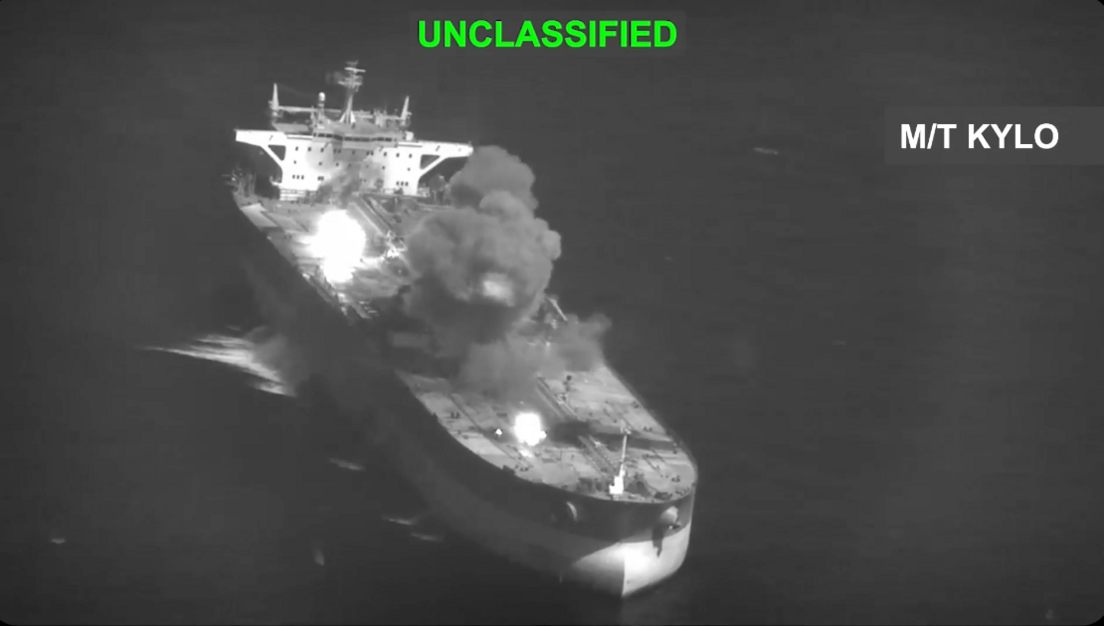
According to Washington officials, the Strait’s status is unchanged; no seaport or blocking device has been installed by Iran. In contrast, Tehran cites a spiral of incidents – including perceived U.S. patrols near its territorial waters – as justification for shuttering the waterway. The United States warns that allowing Iranian forces to commandeer a key shipping lane would set a dangerous precedent, potentially inviting commercial vessels to be seized or injuring crews. Tehran’s narrative emphasizes its right to defend national security, arguing that a hostile environment makes any passage unsafe.
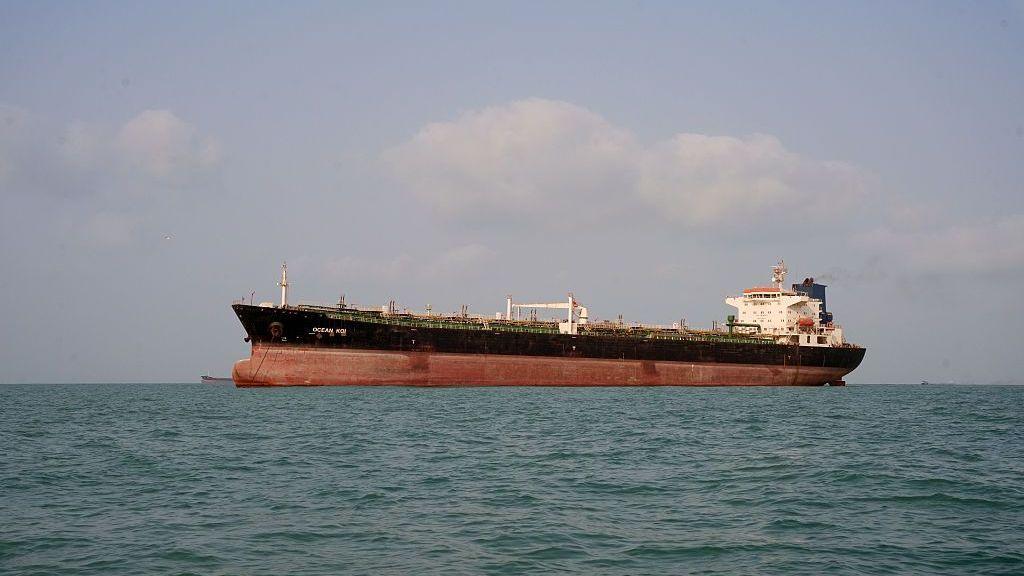
The strait is a lifeline for the world economy, with roughly 4‑5 million barrels of crude oil each day passing through. Any interruption would send shockwaves through global supply chains, pushing energy prices higher and destabilising markets in oil‑importing nations. Economists warn that even a brief closure could disrupt shipments to major consumers such as China, India, and the European Union.
Diplomatically, the dispute has cast a pall on the June cease‑fire agreement – a fragile truce that marked the end of a protracted four‑month conflict in Eastern Afghanistan. The US and Iran had relayed a commitment to open the waterway as a sign of goodwill. The recent hardening of positions thus risks eroding trust and could soften prospects for sustained cooperation on other pressing issues such as nuclear negotiations and regional stability.
In the coming days, experts from across the political spectrum urge careful monitoring. Swiss maritime analysts point out that neutral shipping interests could act as mediators, while former naval officers emphasize that on‑the‑sea patrols will need to maintain a visible deterrence to prevent accidental encounters. Meanwhile, diplomatic voices from Oman and Qatar call for restraint, noting that the strait’s passing frequency crosses borders that belong to several sovereign nations, each with a stake in uninterrupted trade.
Ultimately, the US‑Iran standoff over the Strait of Hormuz underscores the intersection between geopolitical rivalry and international commerce. Whether the channel will remain open during turbulent times will inform broader norms of maritime conduct and shape future conflict‑resolution mechanisms in the Gulf.