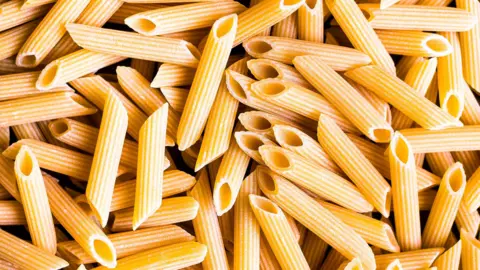
The United States has significantly reduced the proposed tariffs on Italian pasta imports, which had threatened to impose duties of nearly 92% on certain Italian producers. This decision, announced by the Italian foreign ministry, is viewed as a major relief for American consumers who would have faced steep price increases on pasta products.
Initially, the proposal would have resulted in import taxes exceeding 100% of the product's value, effectively jeopardizing the availability of Italian pasta in the US market. However, following constructive cooperation between the US and the 13 Italian companies involved, the tariffs were scaled back drastically.
In some cases, such as the pasta brand La Molisana, the tariffs have been reduced to as low as 2.26%, while others face rates up to 13.98%. The US commerce department stated that the firms have addressed many of its concerns regarding unfair pricing, often referred to as 'dumping'.
This case highlights the ongoing trade dialogue between the US and Italy. President Donald Trump noted that his administration's tariff strategy aims to protect American industries from perceived unfair practices, yet economists caution that high tariffs can lead to elevated consumer prices.
While the initial tariff threat posed a political challenge for Italian Prime Minister Giorgia Meloni—who enjoys cordial relations with the Trump administration—the new tariff framework is seen as a positive compromise. Efforts to improve trade relations will likely continue as both nations navigate their economic ties.
In conclusion, the reduction of tariffs on Italian pasta signifies not only the immediate impact on consumer prices but also a broader commentary on international trade relationships and cooperation.