In brief
In Croatia a Ukrainian diver has been arrested on suspicion of participating in the sabotage of the Nord Stream gas pipelines between Russia and Germany. German prosecutors claim the suspect helped plant explosives under the sea in September 2022, while Ukraine denies any involvement. The arrest follows a Polish judge’s earlier refusal to extradite a similar suspect, highlighting legal and diplomatic tensions over the incident. The case underscores the complex interplay of European security, energy supply concerns, and the ongoing Russia‑Ukraine conflict. Anticipated extradition to Germany will test the cohesion of European judicial cooperation amid distant political pressures.
A Ukrainian man has been arrested in Croatia on suspicion of taking part in the bombing of the Nord Stream gas pipelines between Russia and Germany.
German authorities allege that the suspect was one of the scuba divers who planted explosives on the pipelines in September 2022, after Russia launched its full‑scale invasion of Ukraine.
He is the second individual detained over the plot, raising tensions between Kyiv and Berlin—a key European backer of Ukraine’s war effort.
German prosecutors claim the suspect participated in “necessary dives” for the sabotage, and they are pursuing extradition from Croatia.
The man was initially identified only as a trained diver, Vladimir Z, but is understood to be Volodymyr Zhuravlyov, who was arrested in Poland in 2025 over the same undersea plot.
In that case, a Polish judge refused a German extradition request, arguing that if Ukraine was responsible for the attack, then it was a “just” act. The release of Zhuravlyov sparked a moment of surprise and a smile from the man at the dock.
The other suspect, former Ukrainian military officer Serhiy Kuznetsov, was arrested in Italy in August 2025 and later extradited to Germany, where he is set to face trial. He denies responsibility for the explosions and appeared before a court in Hamburg in June.
Prosecutors allege Kuznetsov led a team that used a yacht rented in Rostock, Germany, to plant explosives near the Danish Baltic Sea island of Bornholm. Though Nord Stream 1 was operating at the time, Nord Stream 2 had not yet entered service.
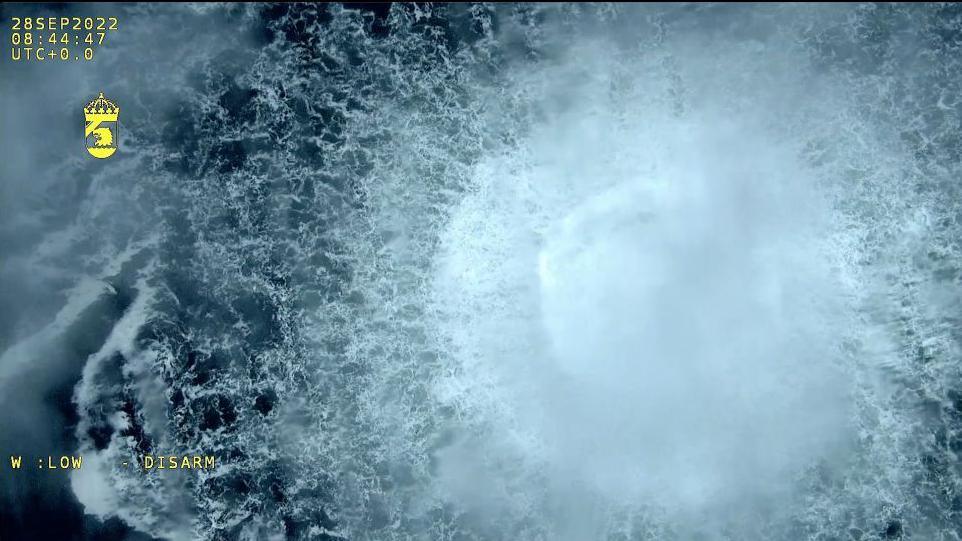
The blasts, which crippled a long‑controversial energy supply line from Russia to Germany, initially blamed Moscow, but signs of Ukrainian involvement emerged. Officials in Kyiv have repeatedly denied any role.
Poland has been a vocal critic of the pipeline project, arguing that it made Berlin too dependent on Moscow and denied transit fees. Ukraine and the United States have also opposed the pipelines.