In brief
After Luiz Inácio Lula da Silva secured a historic fourth term, U.S. immigration lawyers logged an unprecedented influx of inquiries from Brazilian families and skilled workers. The spike mirrors a nationwide search boom for moving to countries such as Paraguay, Uruguay and Canada, prompting concerns about future pressures on housing and public services. Meanwhile, international leaders, including Indonesian President Prabowo Subianto, expressed congratulations and highlighted opportunities for bilateral cooperation.
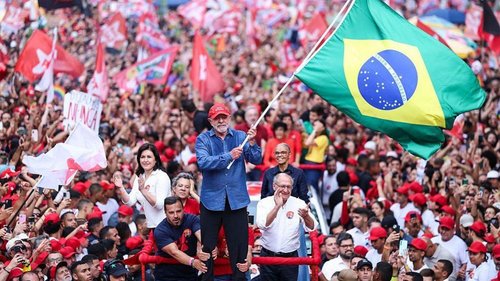
Following the Sunday runoff election in Brazil where President Luiz Inácio Lula da Silva won a historic fourth term, U.S. immigration firms reported a sudden surge in inquiries from Brazilian families and skilled workers, while neighboring South American countries saw a dramatic rise in relocation searches.
United Press International highlighted that two Florida‑based U.S. immigration lawyers – Piquet Law Firm in Miami and Bicalho Legal Consulting in Orlando – received a combined 1,300 inquiries in a single morning, far above their usual daily averages of 500‑600 and 20 respectively. The firms said the majority of the queries came from families with investment prospects in the United States and highly qualified professionals exploring legal pathways. “150 of the 700 prospective clients appeared to qualify for visa programs,” said founder Alexandre Piquet, adding that the spike was "unusually large" compared with post‑election surges in previous years.
In a separate engagement, the Orlando firm D4U Immigration reported a 2,154% rise in inquiries after the election and kept additional staff on duty to handle the influx. The broader picture was painted by Google Trends data, where searches for relocating to Paraguay jumped 7,600% on Oct. 26‑27, Uruguay 3,200%, and Chile 1,700% over a comparable week. A Brazilian journalist noted a 1,700% increase for the phrase “como morar no Paraguai” – “how to live in Paraguay” – and similar spikes for Portugal, Canada and the United States.
In an opinion piece for Forbes Paraguay, consultant Oscar Mersan De Gásperi warned that Lula’s re‑election could trigger the largest wave of Brazilian immigration in Paraguay’s history, potentially enlarging the strain on the country’s housing market and public services. He said the influx could "extend to ... the next decade" and urged Paraguayan authorities to prepare.
Internationally, the election’s impact was echoed by Indonesian President Prabowo Subianto. In a social‑media post, he congratulated Lula, calling him a "good friend and comrade" and wishing him “strength and good health” to guide Brazil’s progress. He added that Indonesia and Brazil had much to accomplish together, especially in tackling global challenges, and urged his Brazilian counterpart to "strengthen our strategic partnership and bring to life the friendship between our two nations.”
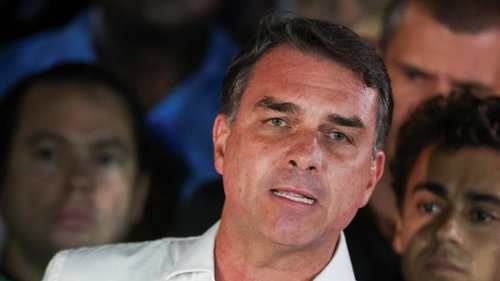
Iranian news agency IRNA reported that Lula had secured roughly 51.8% of the valid votes, a margin of more than 4 million over Flávio Bolsonaro, and would be sworn in on January 5, 2027. The outlet’s coverage highlighted the record turnout as a testament to public confidence in Lula’s social policies, though it offered no detail about migration trends.
Across the Atlantic, curiosity about relocating to the United States, Canada, Portugal and South American neighbors appears to be part of a broader pattern. Brazilian immigration lawyers see a noteworthy uptick, while online search data confirm that many Brazilians are actively planning moves. The commentary from U.S. lawyers, Paraguayan consultants, Indonesian officials and Iranian media outline potential policy challenges, economic opportunities and diplomatic ties arising from Lula’s renewed presidency.