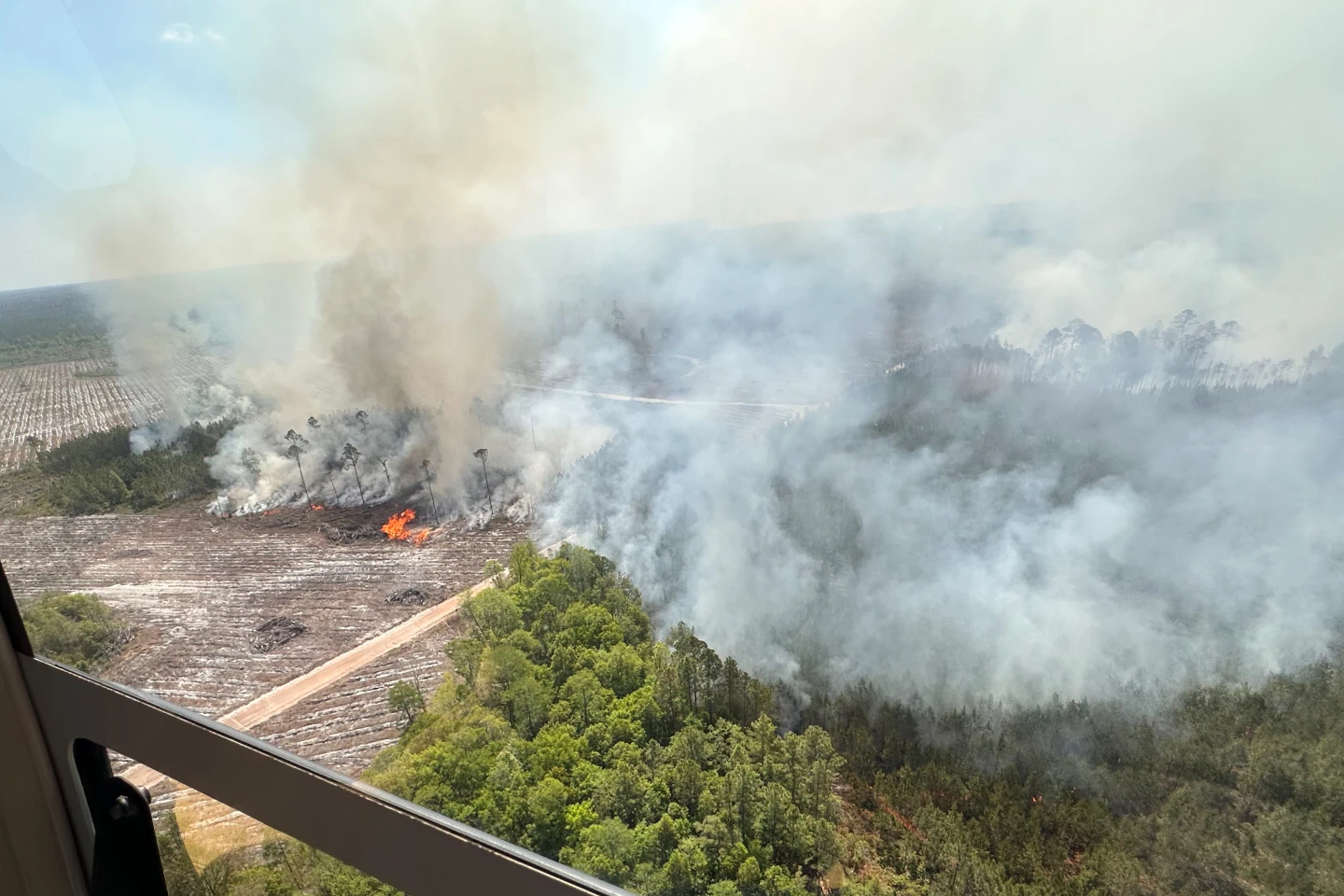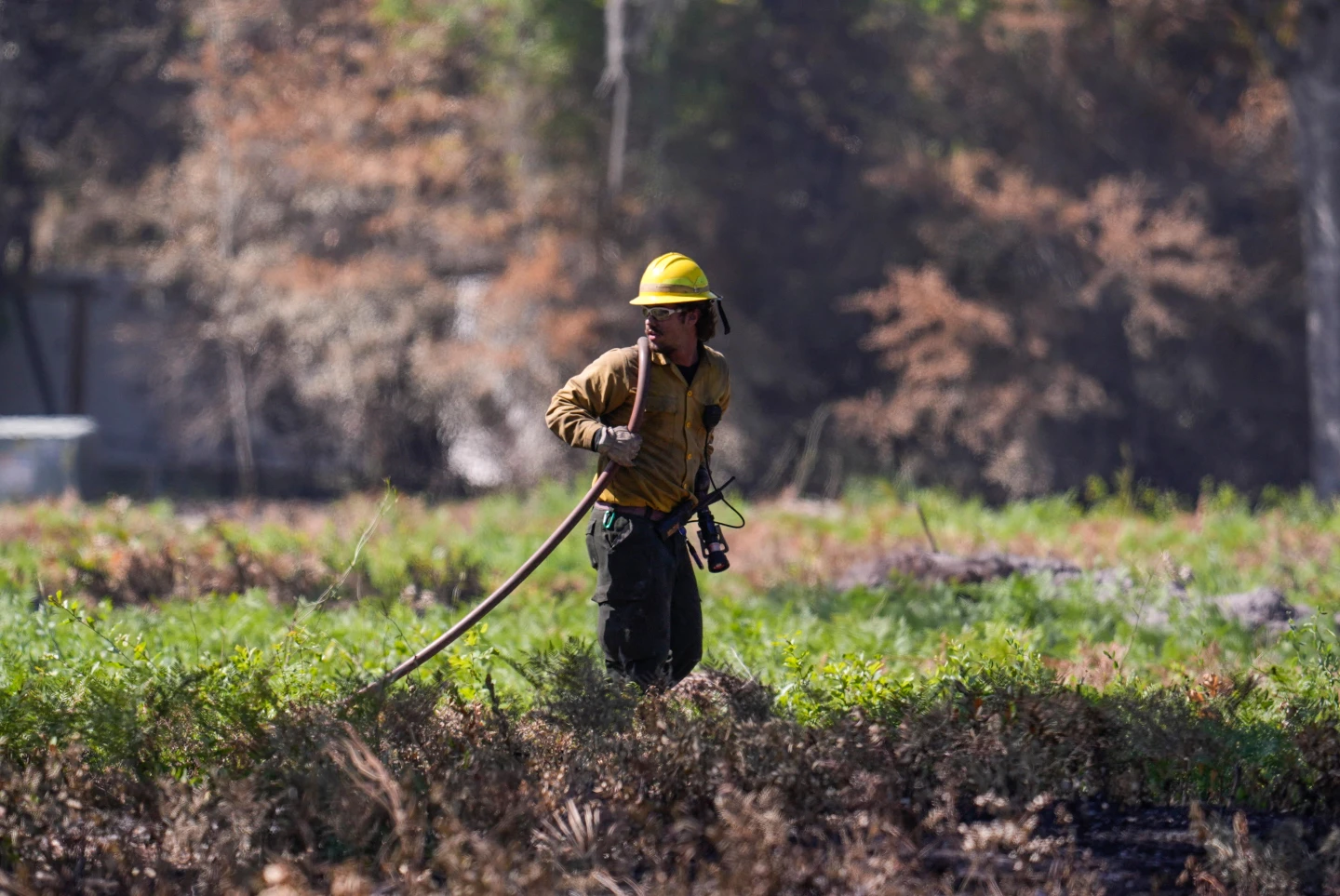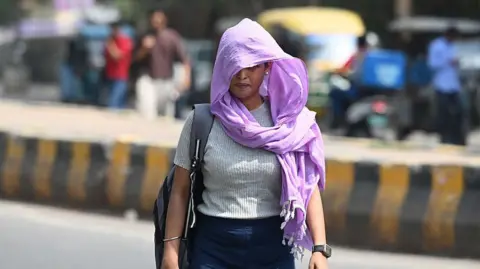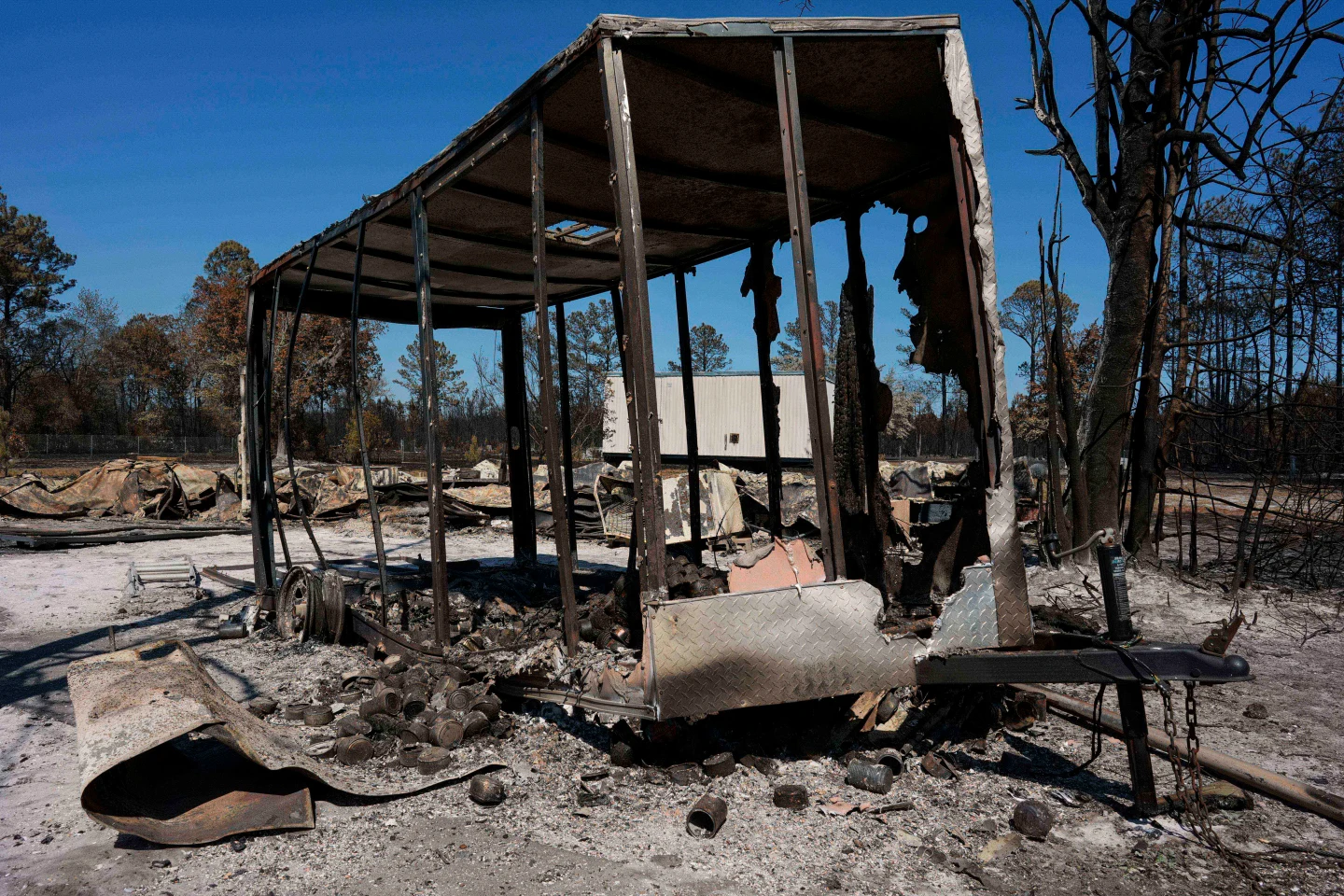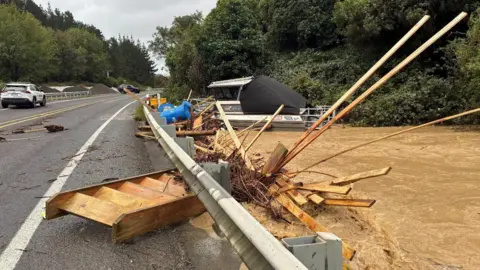
The UN has raised alarm bells with its new Emissions Gap report, projecting that without concerted efforts, global temperatures could soar by 3.1°C by the end of this century. This figure is alarming, as it could result in catastrophic environmental consequences, including more extreme weather events like heatwaves and flooding. However, the scientific community acknowledges that the likelihood of such a scenario requires nuanced interpretation.
The report indicates that if nations adhere only to their existing policies, we could witness temperature rises within the range of 1.9°C to 3.8°C, echoing findings from the most recent Intergovernmental Panel on Climate Change (IPCC) report, which also foresaw significant warming under higher emissions. Notably, it projects that if existing promises to reduce emissions are fully realized, warming could be curtailed to between 2.6°C and 2.8°C.
Despite this, the overarching sentiment reveals a frustration within the UN, as the expected temperature rise numbers have remained consistent over the past three years since the COP26 held in Glasgow. The unchanging statistics come at a time when political leaders are called to gather at COP29 to intensively discuss new strategies to combat climate change. These forthcoming discussions are critical, as nations must present strengthened carbon-cutting plans covering the decade leading up to 2035.
The timing of this report is crucial, as global leaders prepare for significant negotiations. The ability to limit warming to below 2°C, and ideally closer to 1.5°C as outlined in the Paris Agreement, is increasingly under threat due to insufficient action and political follow-through.
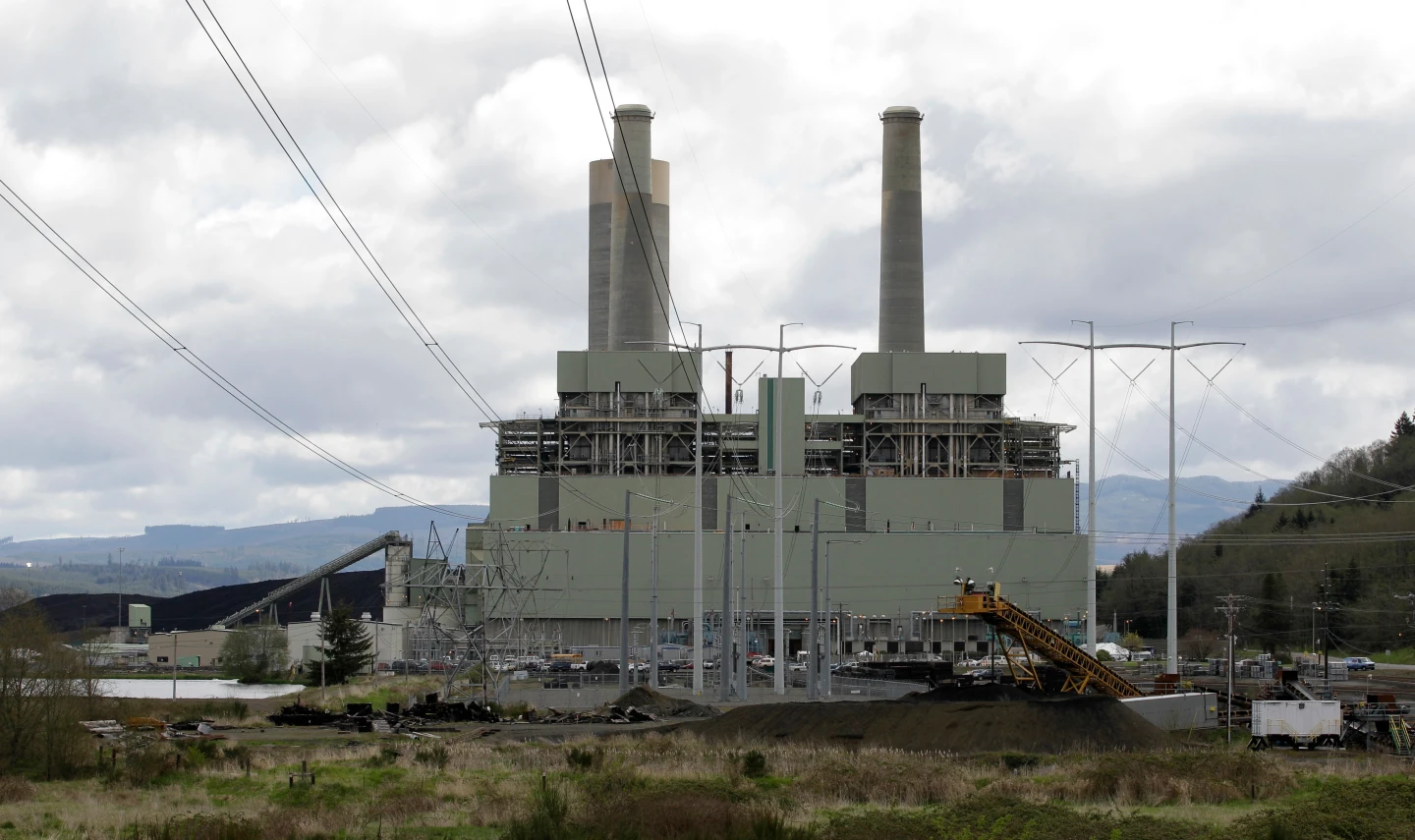
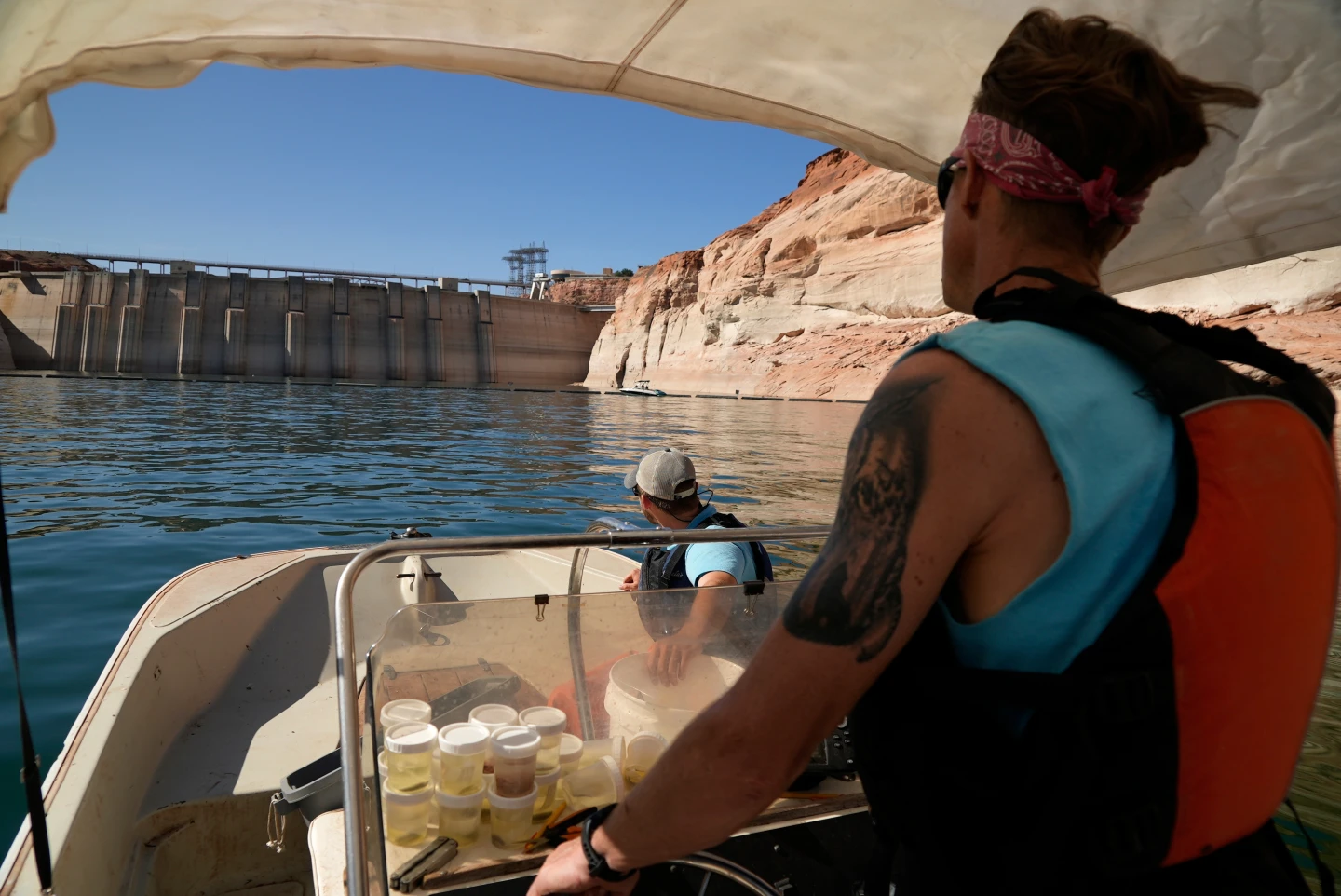
Several factors have contributed to rising emissions; a resurgence in air travel—up nearly 20% in 2023 compared to 2022—alongside increased reliance on fossil fuels due to climate-driven energy demands, such as high temperatures necessitating air conditioning. Dr. Anne Olhoff of the UN Environment Programme highlights that such changes are promoting a shift towards coal usage when hydropower becomes less viable.
The next steps determined at COP29 will be instrumental in altering the emissions trajectory. New climate action commitments must be both ambitious and actionable to stave off predicted detrimental temperature increases and their associated impacts on global ecosystems and human societies. The world stands at a critical juncture, and the decisions made now could have lasting implications for our planet’s climate future.