A Candid Confrontation: Scott Pelley vs. CBS Leadership Sparks Debate
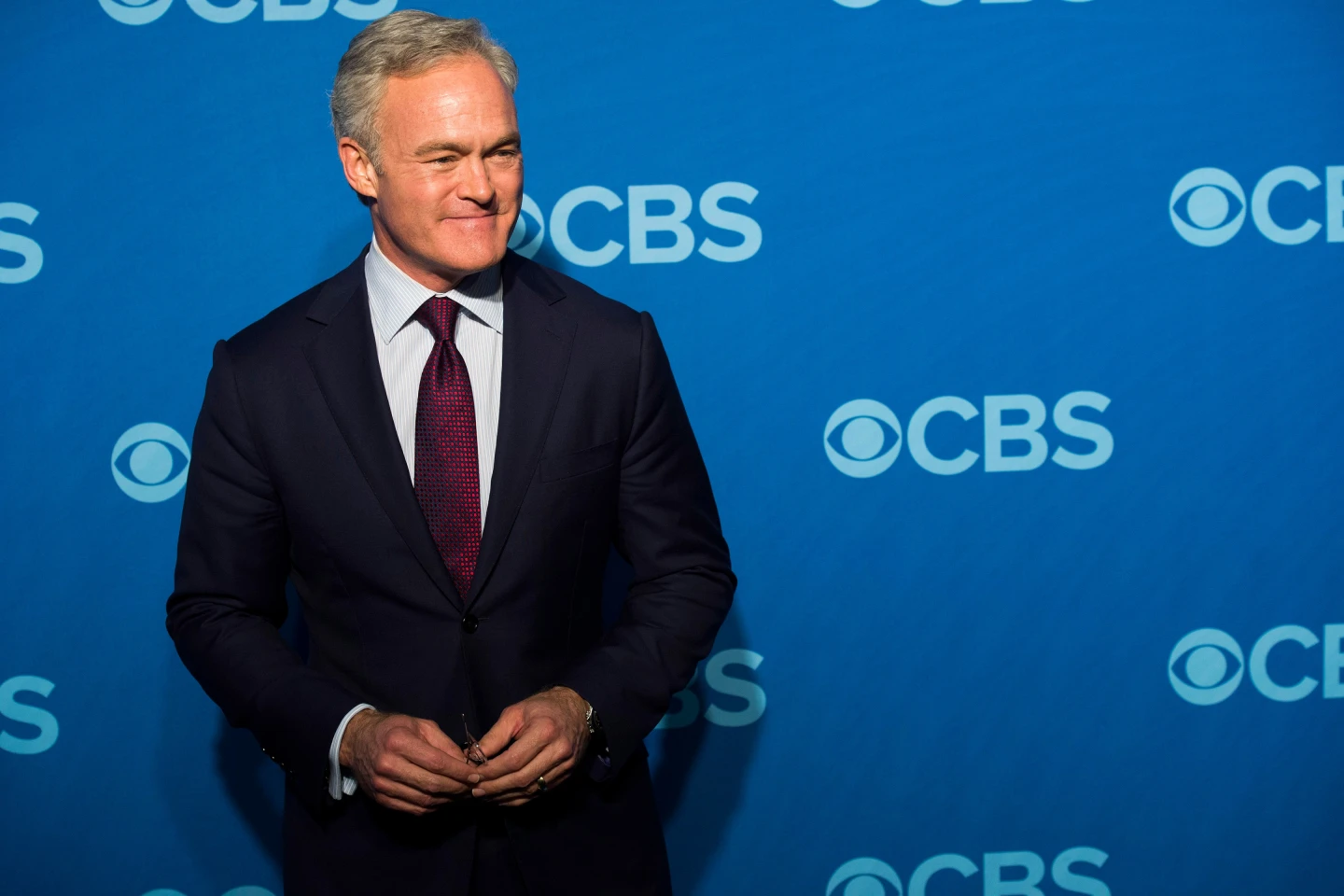
In a tense staff meeting, CBS’s “60 Minutes” correspondent Scott Pelley turned a routine briefing into a public showdown. After the appointment of Nick Bilton as the show’s new executive producer, Pelley publicly decried what he called the “murdering” of a long‑standing program and criticized the qualifications of the new editor‑in‑chief Bari Weiss. The exchange, which many viewers described as a stand‑up against power, has been amplified by millions of viewers and social media commentators.
The confrontation
Pelley’s remarks were directed at both Bilton, who had recently fired former producer Tanya Simon and reporters Sharyn Alfonsi and Cecilia Vega, and at Weiss, who was appointed editor‑in‑chief in October. “You have slender qualifications for this job,” Pelley said. The confrontation was recorded and circulated across the network, prompting a swift reply from Bilton, who labeled the incident an “ambush of remarkable incivility and contempt.” Some colleagues applauded Pelley, seeing him as a champion of workplace dignity; others were concerned about the potential costs to the program’s reputation.
Broader implications
The episode fuels an ongoing conversation about the limits of internal critique in professional settings. Journalists, by tradition, act as watchdogs who question authority, yet the relationship between a headline and its editor remains delicate. Pelley’s staff‑room outburst echoes experiences of others who have faced similar pushback.
Parry Headrick—a Boston‑based public‑relations executive—recalls his days as a junior reporter when a story was sensationalized to an unfair “toxic boy” headline. After confronting his editor, he left the publication, citing a loss of trust. In the nonprofit world, Clare Haynes, a former manager in England, recalls the moment she was dismissed for challenging a senior executive’s decision. “I was seen as a maverick,” she says, highlighting how outspoken comments can swiftly alter one's standing.
Between Sweden and the United States, Johan Konst shares a similar trajectory. After a final, direct critique of his boss in 2008, the company offered him a severance package—an end he sees as freeing himself from a toxic corporate culture.
Questions that remain
While many applauded Pelley’s bravery in democratic protest, others worry about the space for dissent in journalism’s higher echelons. The incident is a mirror that might help the media industry answer a plain‑spoken question: where is the line between permissible critique and the threat of dismissal? The ongoing debate remains at the intersection of editorial independence, corporate governance, and the complex realities of professional communication.
For readers who want to follow the story closely, you can reach the author Matt Sedensky at sedensky@example.com or on Twitter.
}