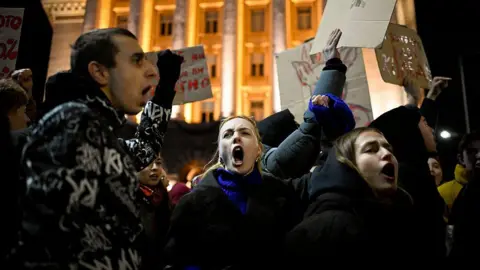
Bulgaria's government has announced it will withdraw its controversial 2026 budget plan after massive rallies took place against it on Monday night in Sofia and other cities across the country.
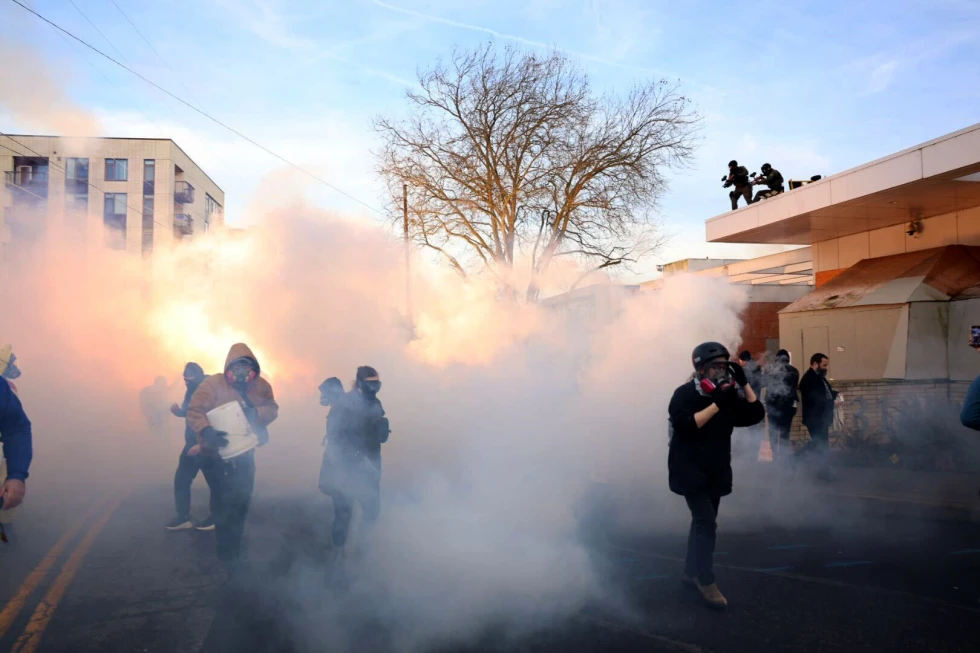
Tens of thousands joined in protests against the draft budget, which many believe aimed to conceal widespread government corruption. The situation escalated to clashes with police when some masked protesters attacked the headquarters of the ruling political parties in Sofia.
In response to the mounting public outcry, the government decided on Tuesday to abandon its budget plan, which had also been criticized for proposed tax hikes. Similar protests occurred the previous week following the plan's initial presentation to parliament.
This new budget is significant as it will be Bulgaria's first delivered in euros, coinciding with its accession to the eurozone on January 1. Public opinion remains divided regarding the euro's adoption, with fears of inflation looming in this one of the EU's poorest nations.
Since 2020, frequent protests against government corruption have led to instability, with short-lived administrations largely failing to address public grievances. Monday's rally is believed to have been among the largest in recent years, with demonstrators filling the square in front of parliament, demanding a change in leadership.
Critics voiced concerns over increases in social security contributions and dividends taxes to fund higher governmental spending while simultaneously calling attention to ongoing state corruption. A protestor stated, We want to be a European country, not one ruled by corruption and the mafia.\
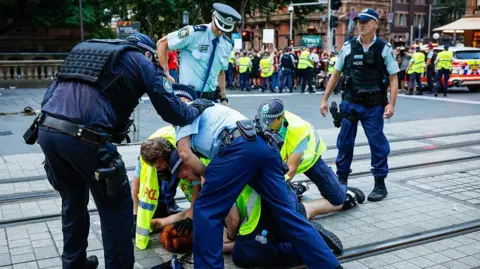
Overall, public frustration has surged, resulting in over 70 arrests after violent incidents between protesters and police. Bulgarian President Rumen Radev characterized the violence as provocations from corrupt elements and reiterated, There is only one way out: resignation and early elections. He, along with opposition factions, has asserted that the government's abandonment of the budget is insufficient.
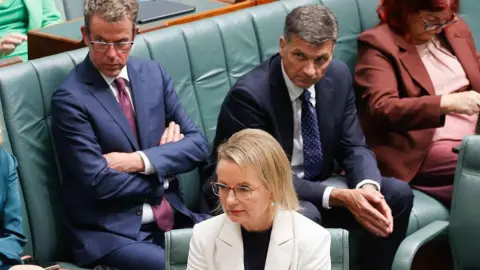
As Prime Minister Rosen Zhelyazkov's minority coalition grapples with pressure, the path forward remains uncertain in the face of discontented citizens demanding accountability and a shift in governance.