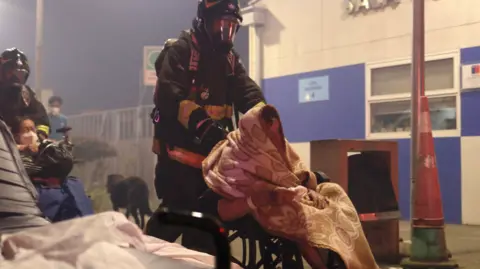
Chilean President Gabriel Boric has declared a state of catastrophe in two regions where deadly wildfires have left at least 18 people dead.
Over 50,000 individuals have been evacuated in the Ñuble and Biobío regions, situated approximately 500km (300 miles) south of Santiago, as the fires continue to spread.
Boric noted that the death toll is likely to rise. Among the most alarming blaze is one threatening the coastal city of Concepción, resulting in the destruction of around 250 homes, according to disaster officials.
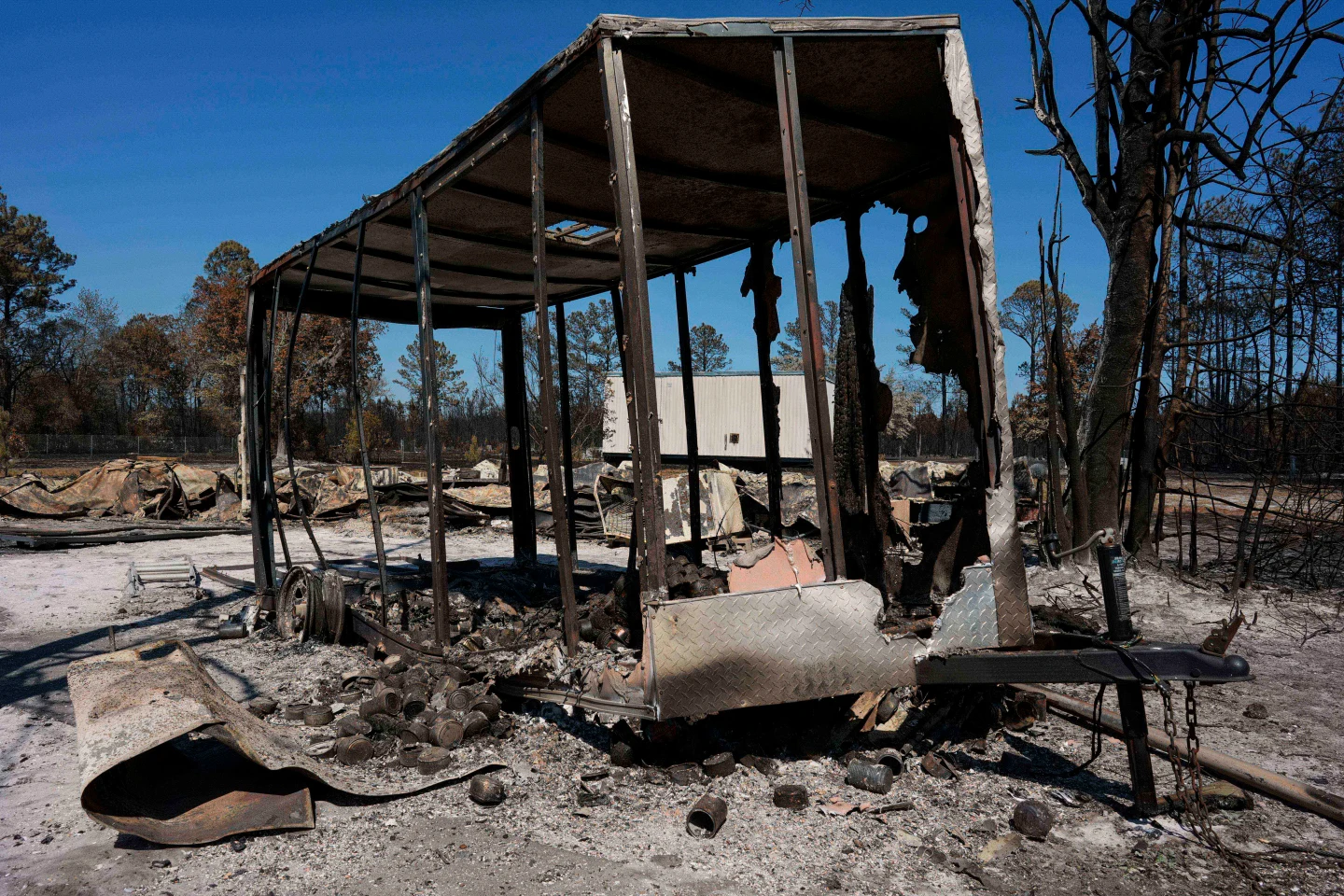
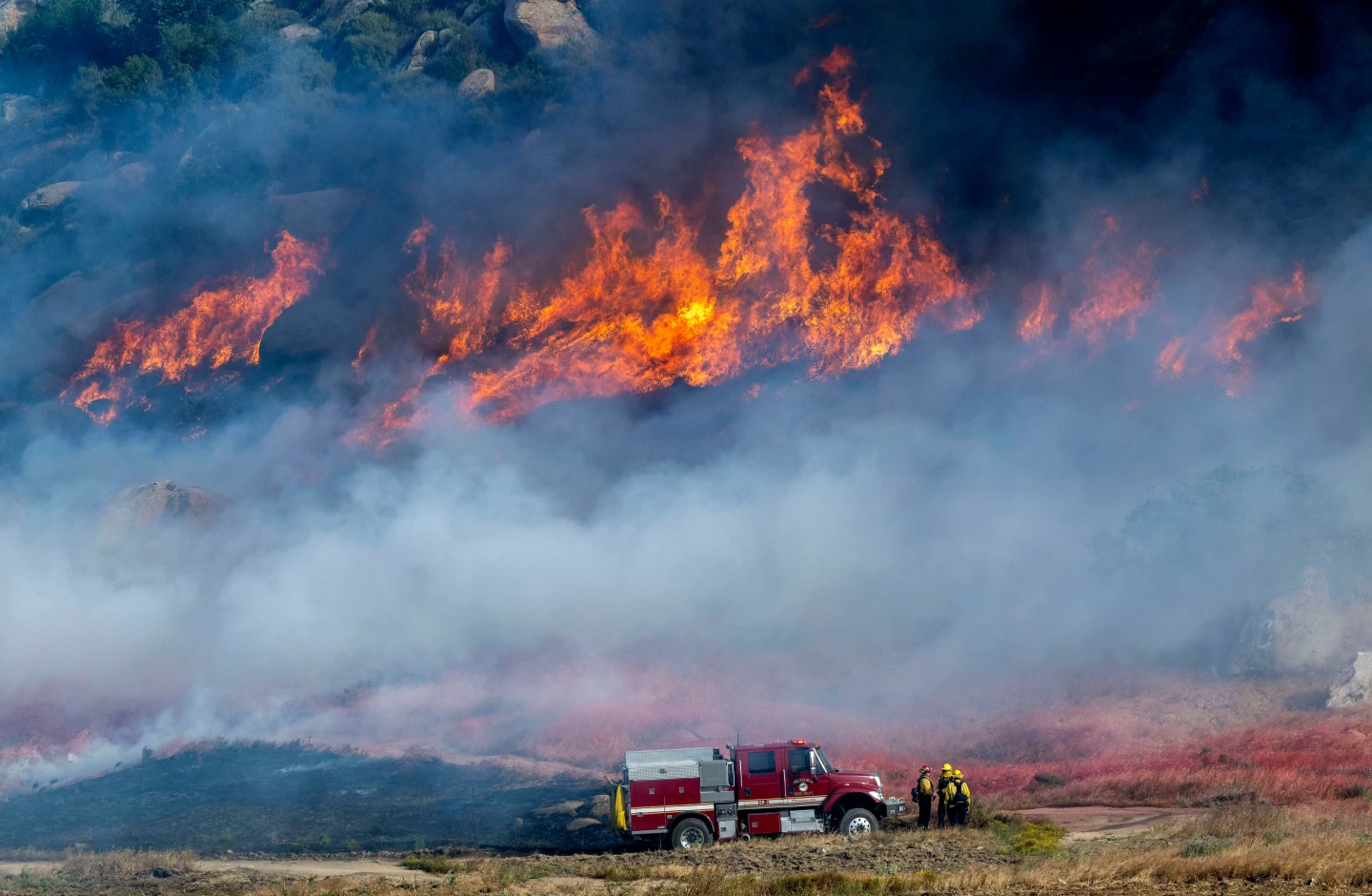
Eyewitness reports and local media have depicted images of charred vehicles and devastated landscapes throughout the impacted areas.
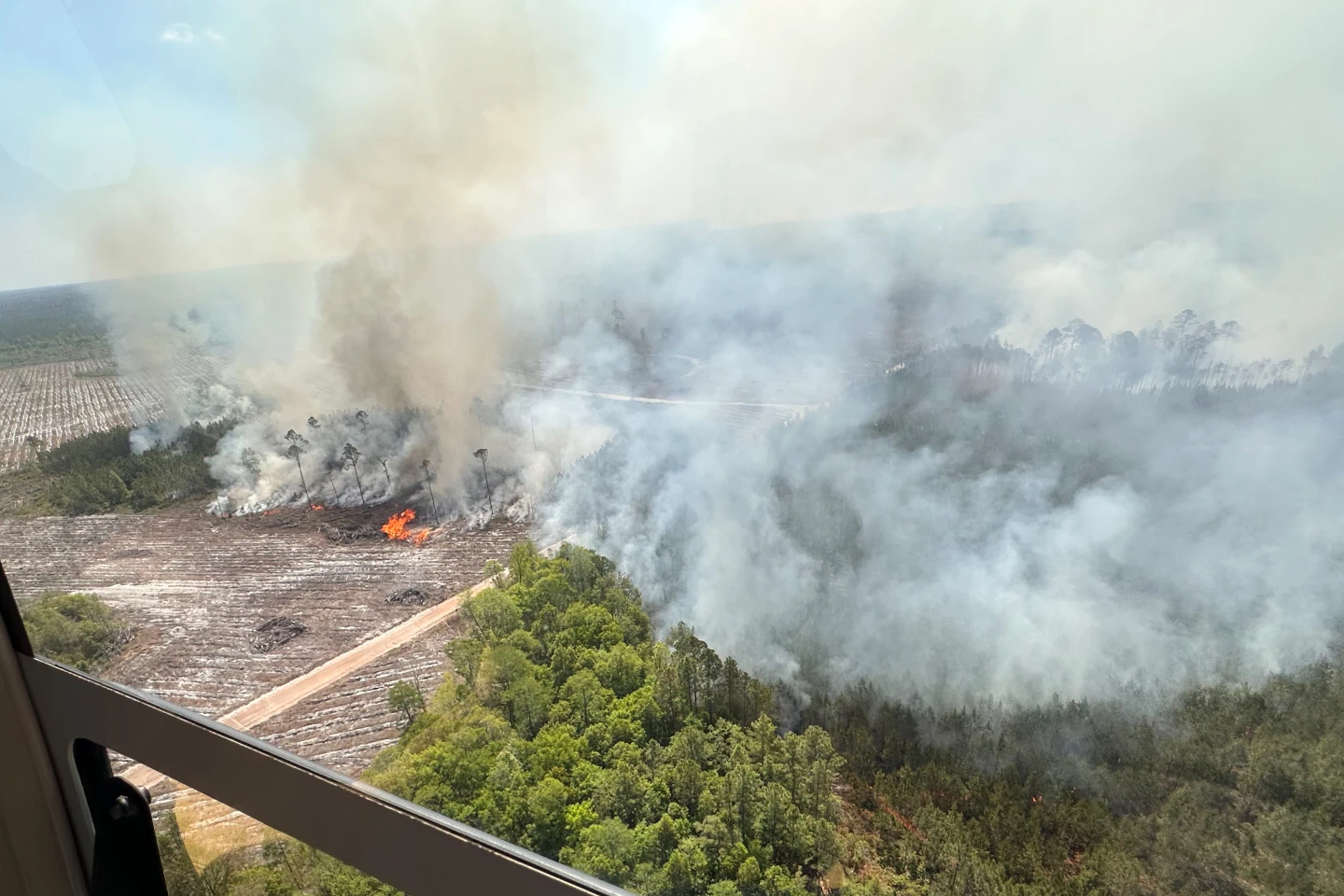
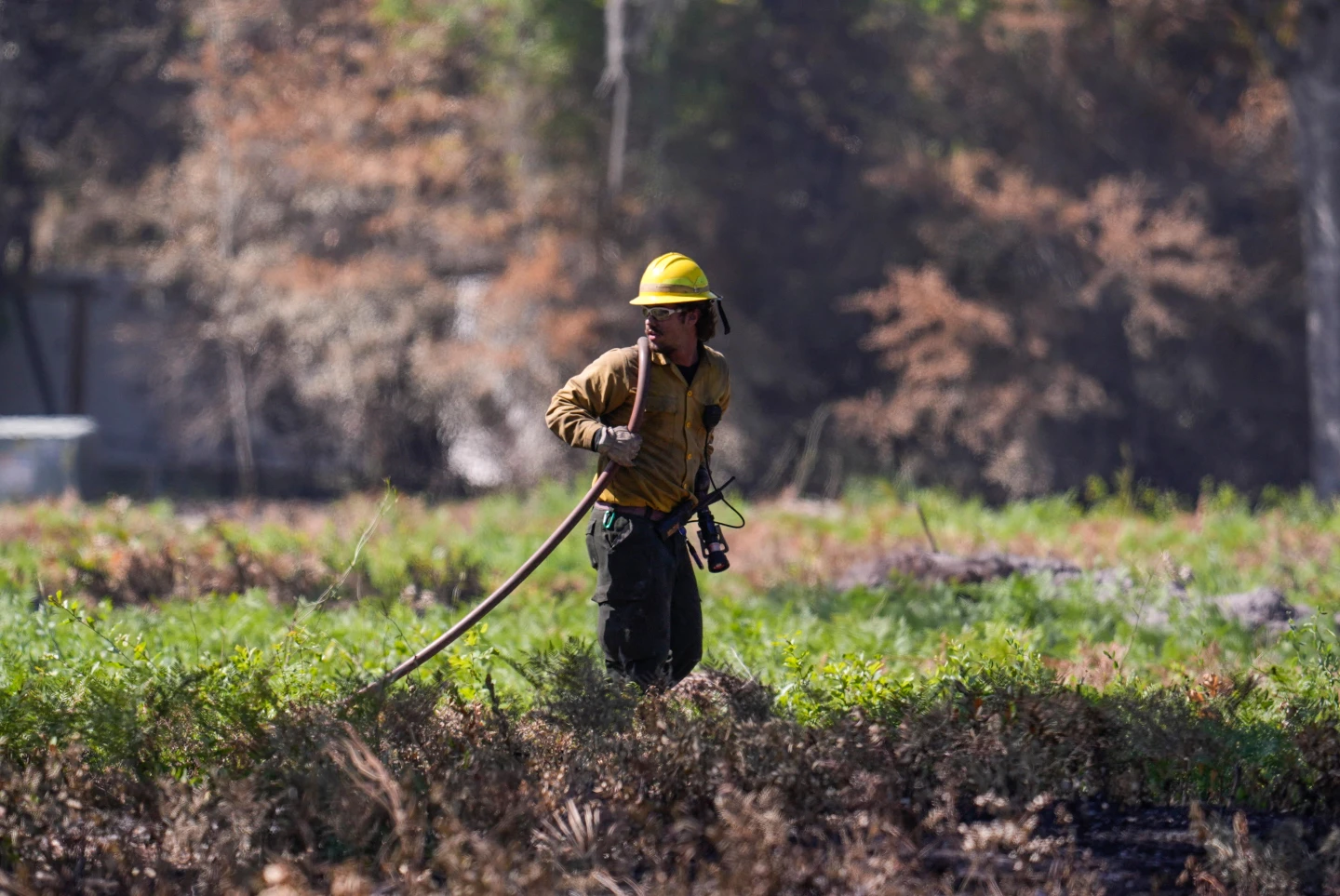
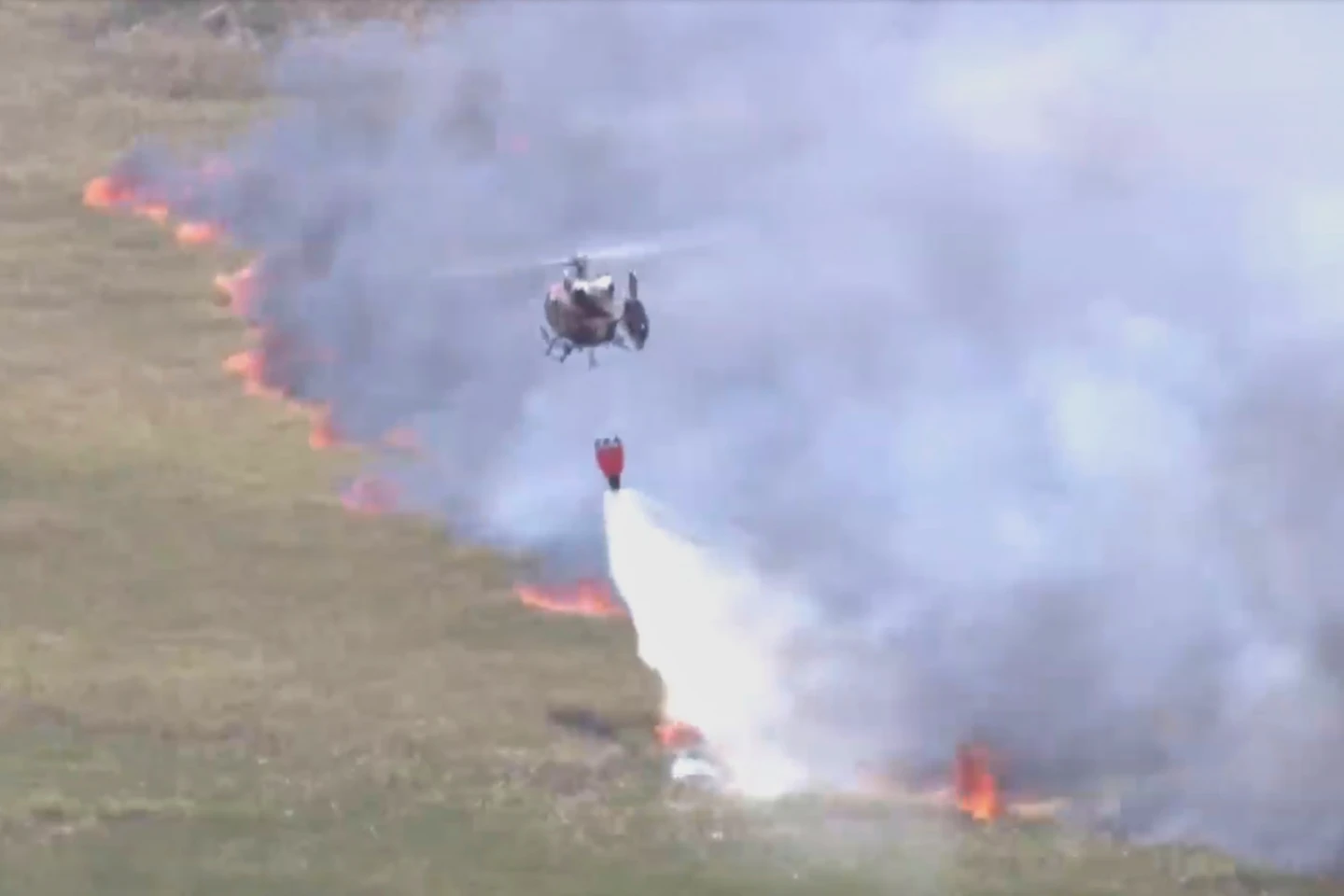
The Chilean forestry agency, Conaf, revealed that firefighters are currently combatting 24 simultaneous fires across the nation, with the most severe located in the Ñuble and Biobío regions.
At this time, the wildfires have scorched approximately 8,500 hectares (21,000 acres).
President Boric issued a statement on social media declaring the state of catastrophe: In light of the serious ongoing wildfires, I have decided to declare a state of catastrophe in the regions. All resources are available, he assured.
Declaring a state of catastrophe allows for the mobilization of the armed forces to assist in firefighting and evacuation efforts.
Most evacuations have been concentrated in Penco and Lirquen—cities with a combined populace of around 60,000—where strong winds and high temperatures continue to exacerbate the situation.
Residents have been warned as temperatures in much of Chile are expected to soar to 38°C between Santiago and Biobío in the coming days.
Chile has endured a series of significant wildfire events in recent years, which have been worsened by prolonged drought conditions. Just two years ago, fires in the Valparaíso region near Santiago resulted in over 120 fatalities.