The National Rifle Association (NRA) has joined other U.S. gun lobby groups in calling for a 'full investigation' by the Trump administration into the shooting death of Alex Pretti, a registered nurse, in Minneapolis.
The incident occurred when a border agent shot Pretti, with officials presenting conflicting accounts of the situation. While the Trump administration claims Pretti was armed and posed a threat, no video evidence substantiates these claims.
In a recent statement, the NRA expressed disapproval of comments made by a federal prosecutor regarding the risks associated with carrying firearms, labeling such suggestions as 'dangerous and wrong.'
'Responsible public voices should be awaiting a full investigation, not making generalizations and demonizing law-abiding citizens,' the NRA stated.
Bill Essayli, the First Assistant U.S. Attorney for the Central District of California, earlier suggested that approaching law enforcement armed raises the likelihood of being shot legally. His remarks have attracted criticism from various gun advocacy organizations and political figures.
Gun Owners of America defended the right to bear arms, stating that this right should not face infringement during protests. Republican Congressman Thomas Massie emphasized that carrying a firearm is a constitutionally protected right, stating it's not a death sentence.
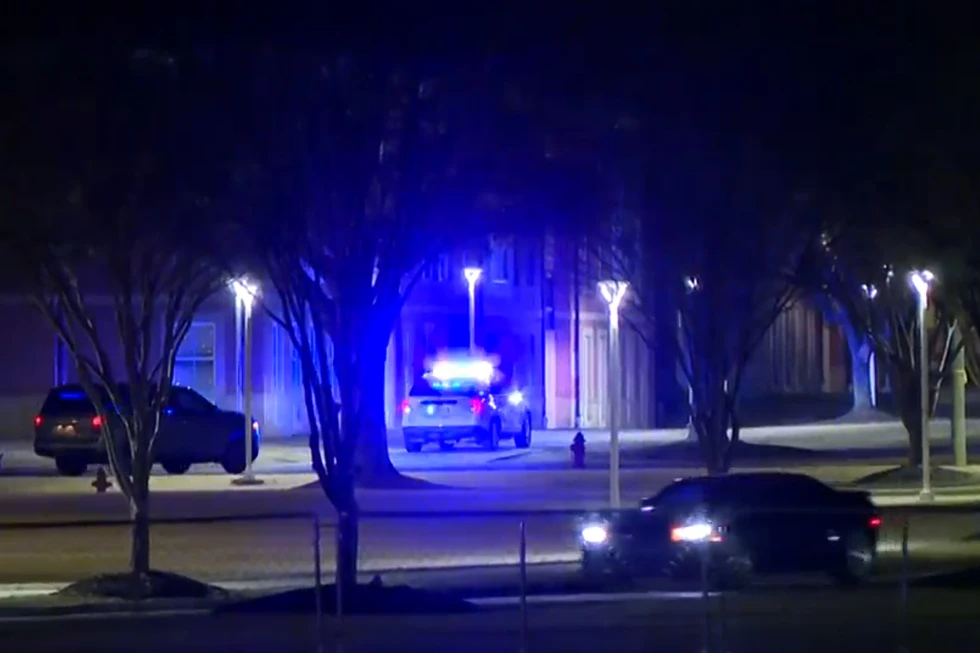
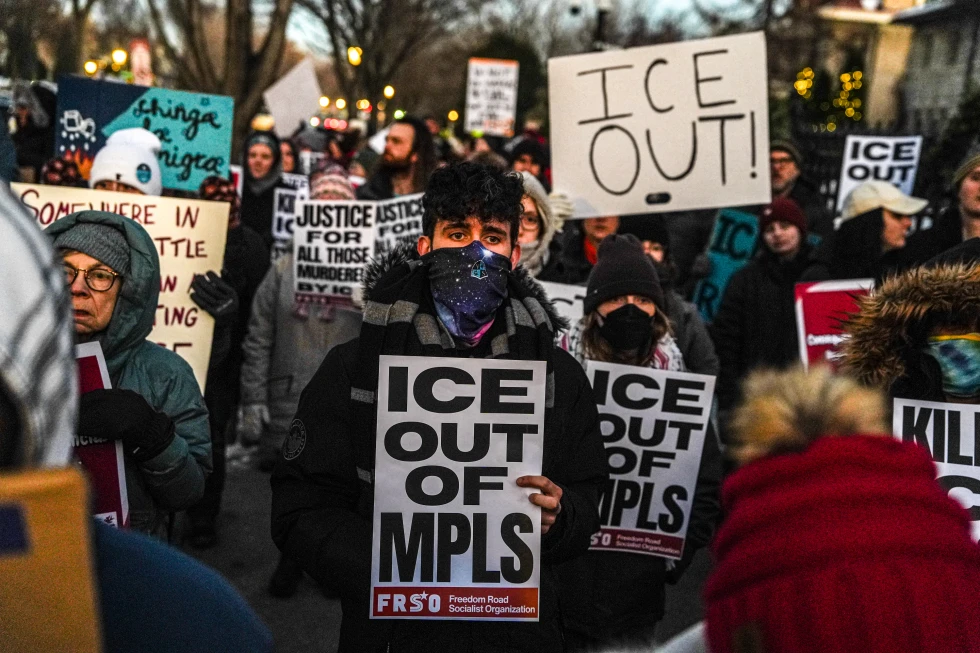
As the community continues to grapple with the fallout from the shooting—one of two fatal incidents involving federal agents in Minneapolis this month—video footage documenting the moments before the shooting has surfaced, contributing to the ongoing scrutiny over the actions of federal agents.
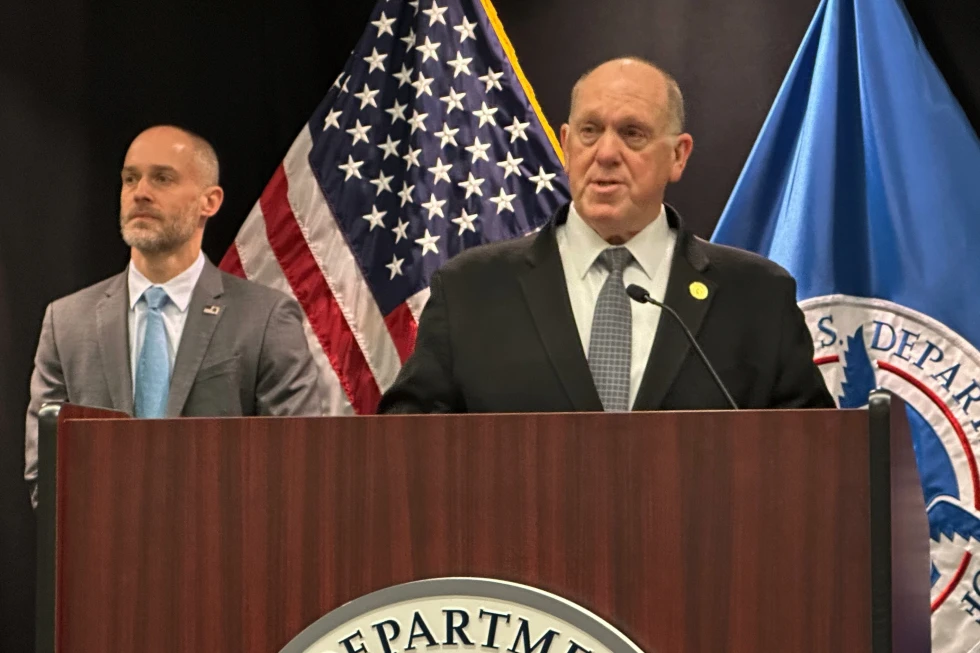
The Department of Homeland Security has released images purporting to show a weapon belonging to Pretti, framing the agents' actions as defensive. However, Minnesota officials, including Governor Tim Walz and Minneapolis Mayor Jacob Frey, have sharply criticized the federal narrative, labeling it as misleading.
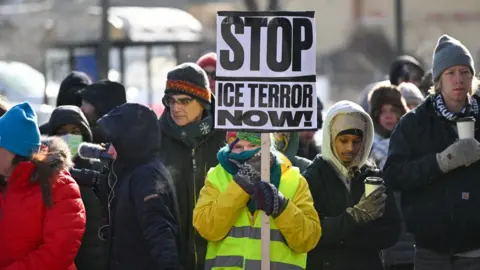
This incident raises significant questions about law enforcement practices in the context of protests and the broader implications for Second Amendment rights amid increasing tensions surrounding immigration enforcement actions by ICE.