El Niño Forecast Foreshadows Unprecedented Quiet Atlantic Hurricane Season
For the first time in more than 30 years, September – normally the peak of Atlantic tropical activity – produced no hurricanes. The quiet spell is already pushing the 2026 season toward a record that may see zero Atlantic hurricanes.
What Is El Niño and Why It Dampens Atlantic Storms?
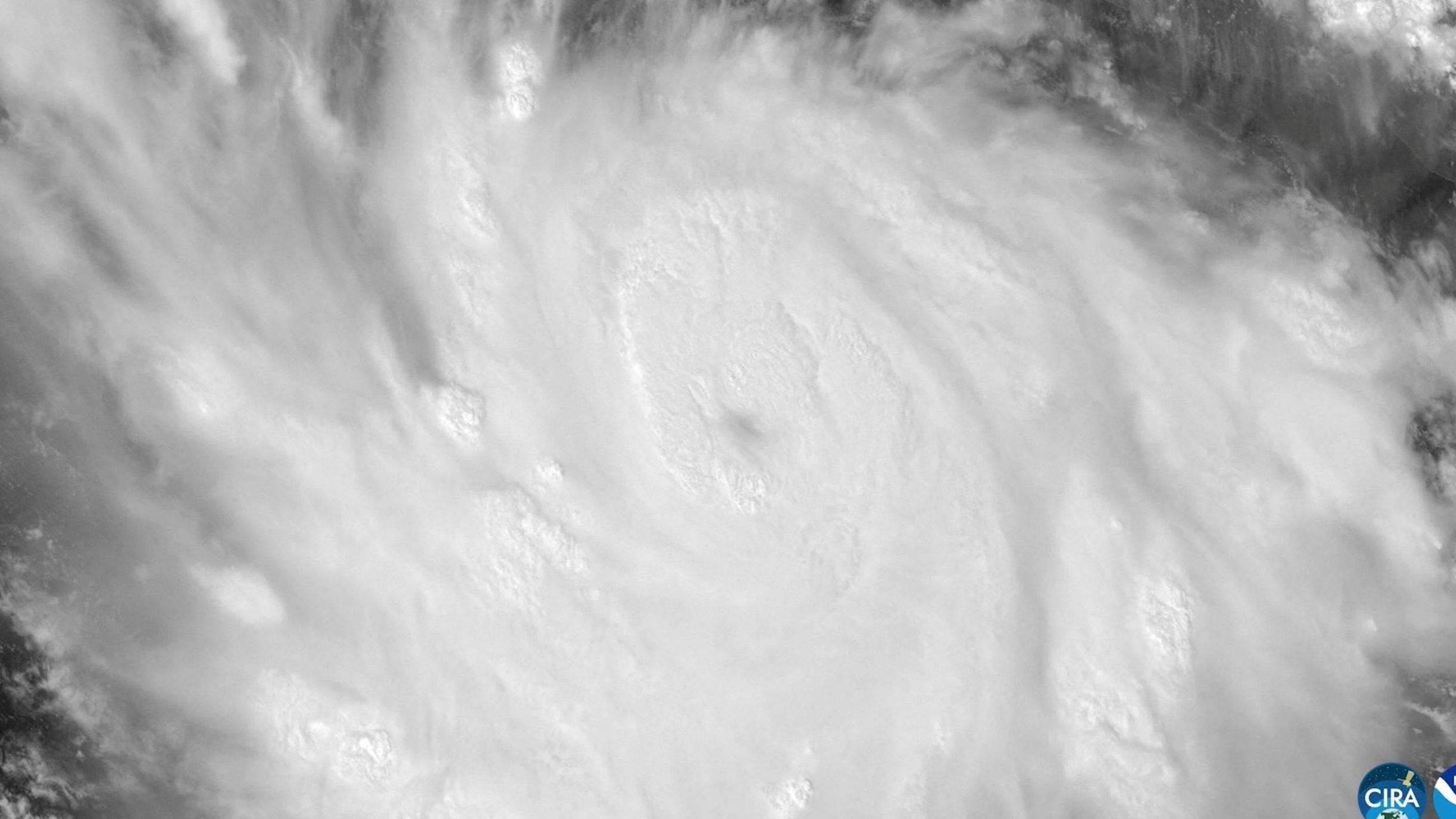
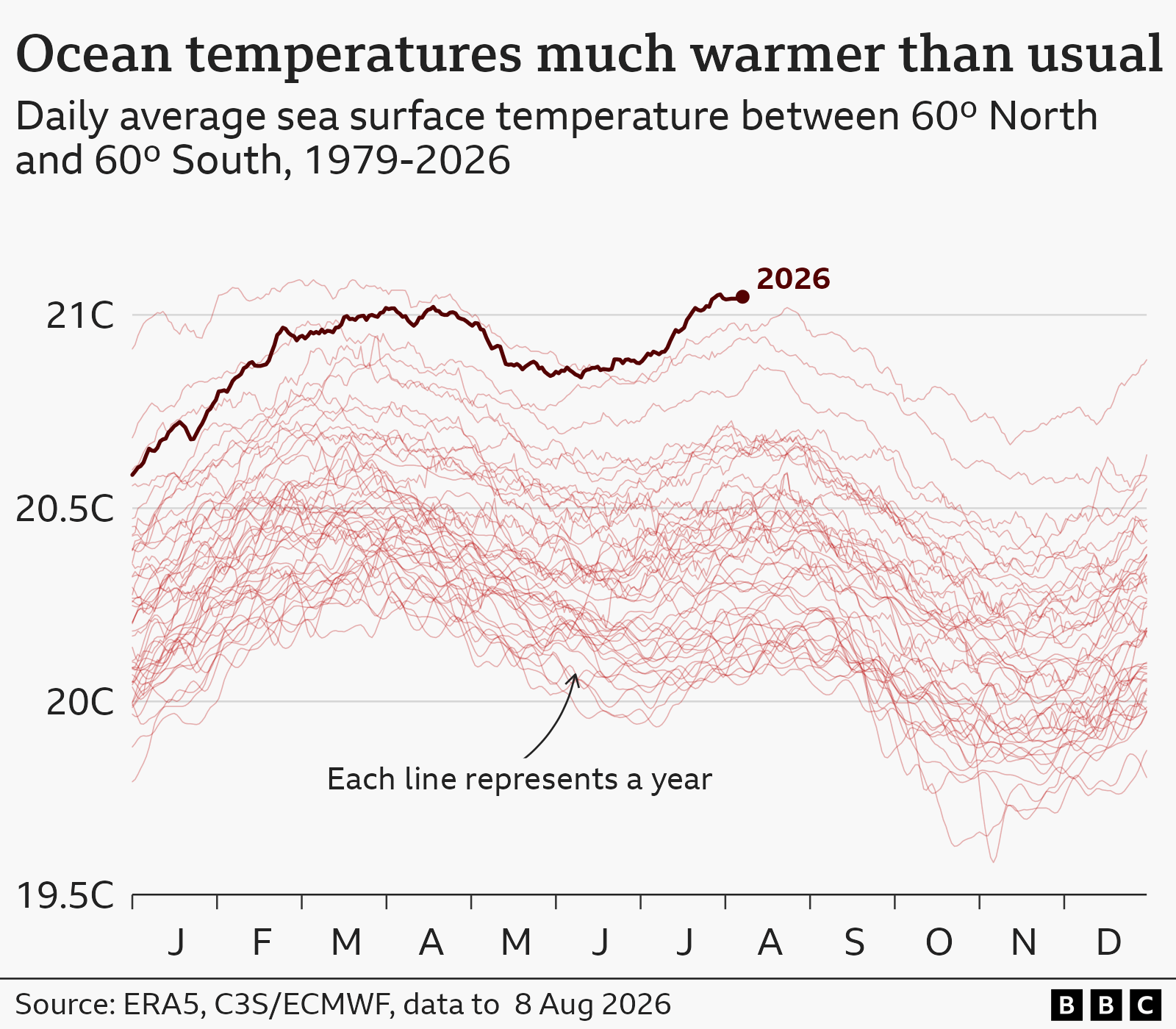
El Niño refers to a warming of the central and eastern tropical Pacific Ocean. The warming changes global wind patterns, heightening upper‑level winds over the Atlantic. These winds create shear – rapid wind change with altitude – which can tear apart developing storms before they strengthen.
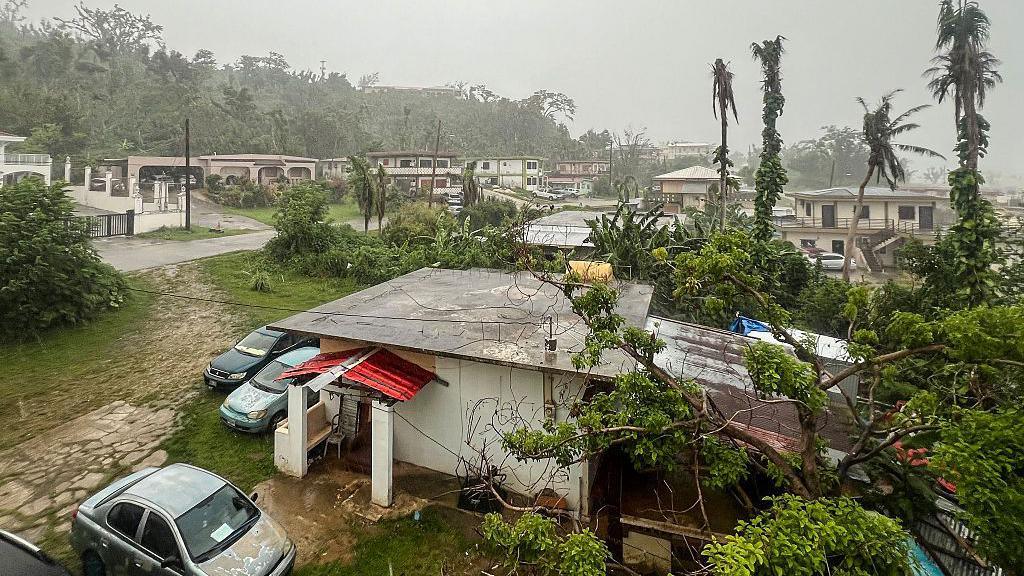
In the Pacific, the same warming supplies the hot, moist sea surface temperatures that feed tropical cyclones. The 2026 Pacific season has already seen 17 named storms, nine of them hurricanes, making it one of the most intense on record.
Forecast Numbers and Regional Implications
The National Hurricane Center predicts eight to fourteen named storms in the Atlantic, with three to six becoming hurricanes and one to three turning into major hurricanes. With the Atlantic’s peak already passed, the UN and insurance analysts warn that the season may finish without any Atlantic hurricane, a first for the satellite era.
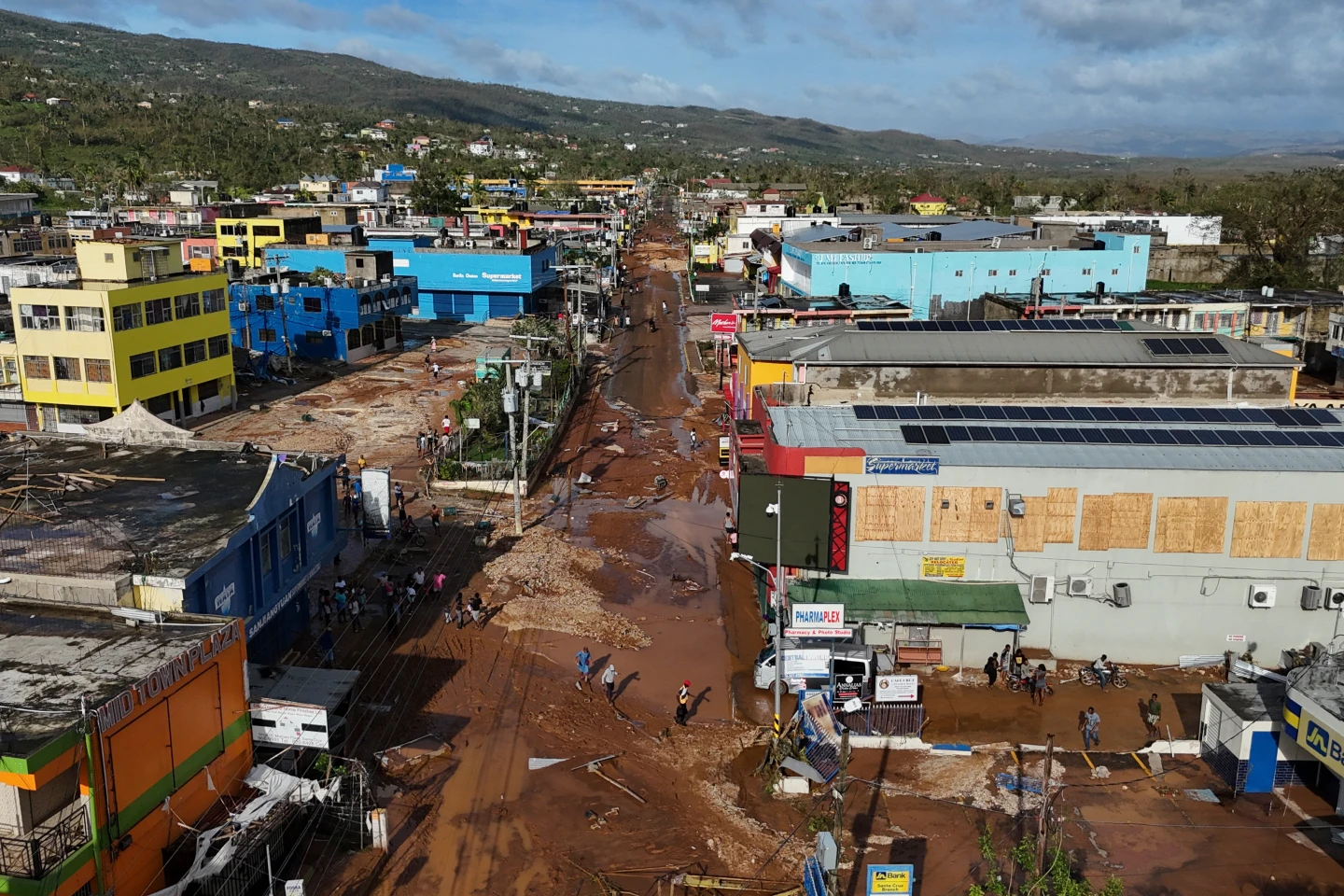
Policy makers in the Atlantic nations are noting the implications for disaster preparedness budgets and emergency response plans. While communities in the Eastern Pacific brace for high‑energy storms, many in the Atlantic welcome a relative lull.
Historical Context and Climate‑Change Signals
The last time an Atlantic season ended without a hurricane dates back to 1914 – before satellite observation, so the record is uncertain. Scientists point out that the current El Niño does not negate long‑term warming, which may eventually shift the balance of storm types worldwide.
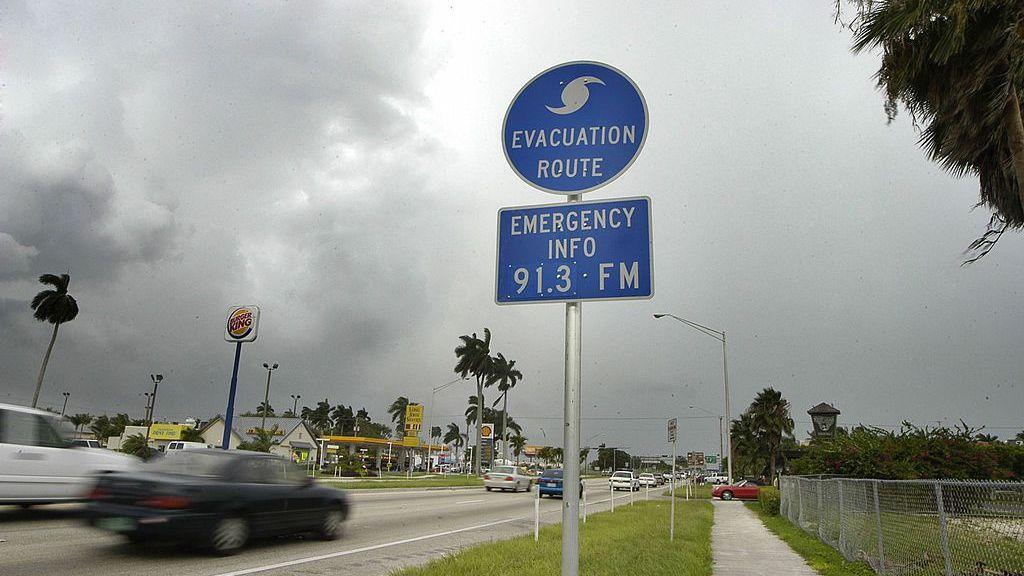
Preparedness groups are calling for stronger coastal defenses in the Pacific and better early‑warning systems in the Atlantic, stressing the need for adaptive community strategies across the hemisphere.