The Three Pillars that Now Stack Against Netanyahu
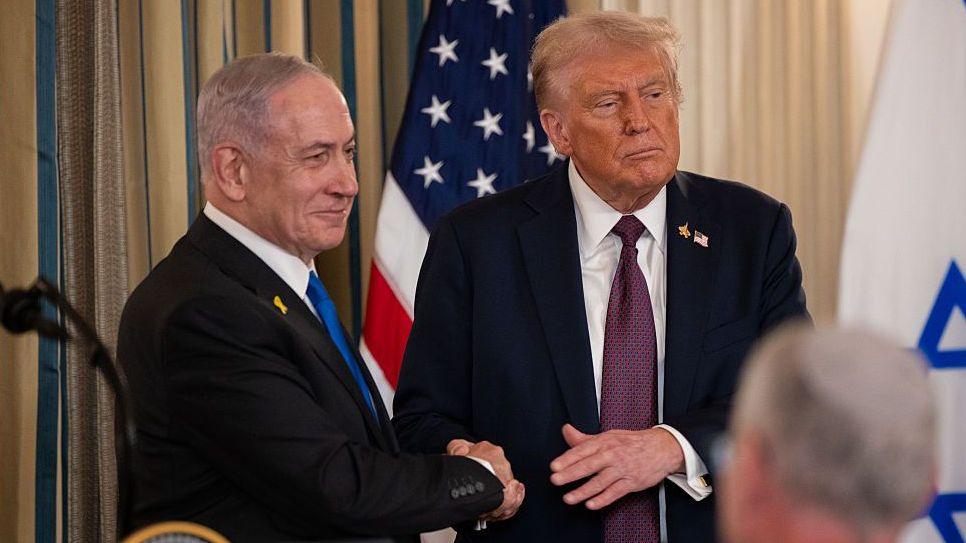
Since his election, Prime Minister Benjamin Netanyahu has built his political brand on three pillars: deep influence over Washington, the centrality of Iran to Israel’s security doctrine, and a reputation as the country’s iron‑clad defender of Israeli interests.
The United States’ recent ceasefire pact with Iran has disrupted that foundation. In Washington, commentators see the deal as undermining the U.S. ally’s standing. Democratic officials warn that Israel’s security posture may now depend on a fragile accord that does not address the threat of Iranian and Hezbollah forces. The Israeli opposition’s leaders, most notably Yair Lapid, have called the situation a “battle between confrontation and concession.”
Reactions from Key Actors
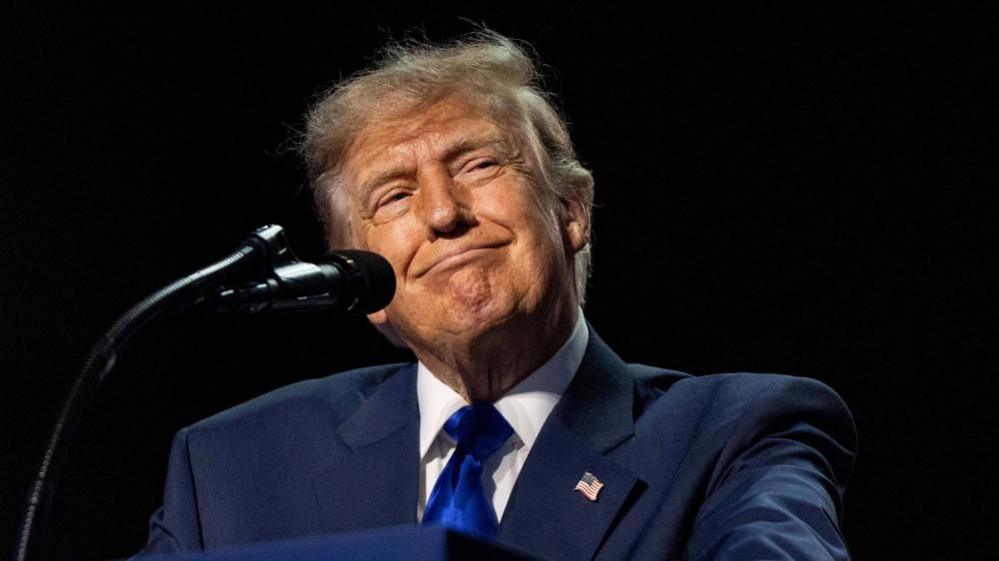
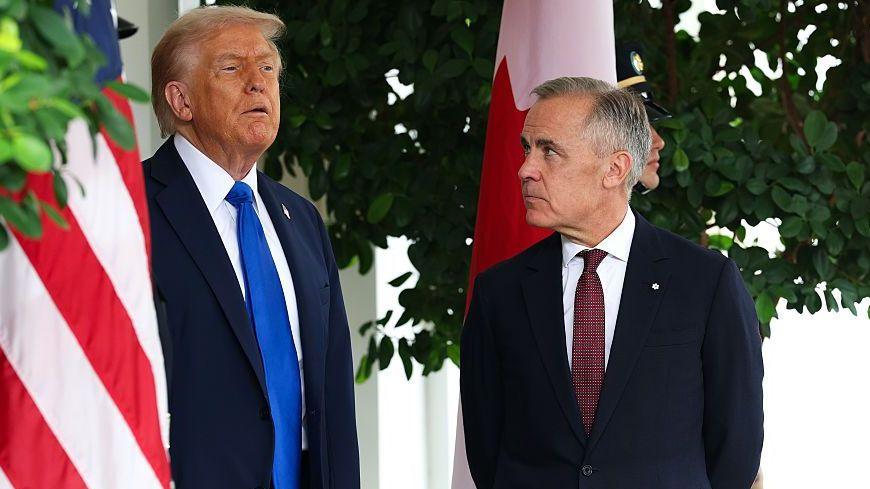
In a rare public rebuke, President Donald Trump called Netanyahu’s order on a Beirut strike “without judgement,” a phrase that has been seized by political rivals as an indictment of the Prime Minister’s conduct ahead of the November election. Israeli security minister Itamar Ben‑Gvir declined to sign the pact, arguing that it does not safeguard Israel’s security or interests. Meanwhile, front‑line lawmakers such as Ariel Kallner claim that Israel will still protect itself, stating “we will do what we need to do” while reserving the right to confront threats from Tehran.
Israel on the Frontline
Post‑the attack on 7 October 2023, Israel has intensified its pre‑emptive strategy, occupying large areas in Gaza, Lebanon and Syria. While this maintains pressure on Hamas and Hezbollah, it strains Israel’s military capacity and leaves the peace process stalled. As Hamas remains a decisive force in Gaza, the Israeli administration has been unable to implement a concise diplomatic solution, despite a US‑brokered plan still in limbo.
Strategic Re‑assessment Is Urgently Needed
Senior analysts from the Institute for National Security Studies argue that Israel’s current posture over‑extends its military resources and does not factor in Tehran’s improved leverage. With Iranian influence greater than before, analysts say the way forward is a more restrained and realistic strategy that acknowledges constraints from the United States.
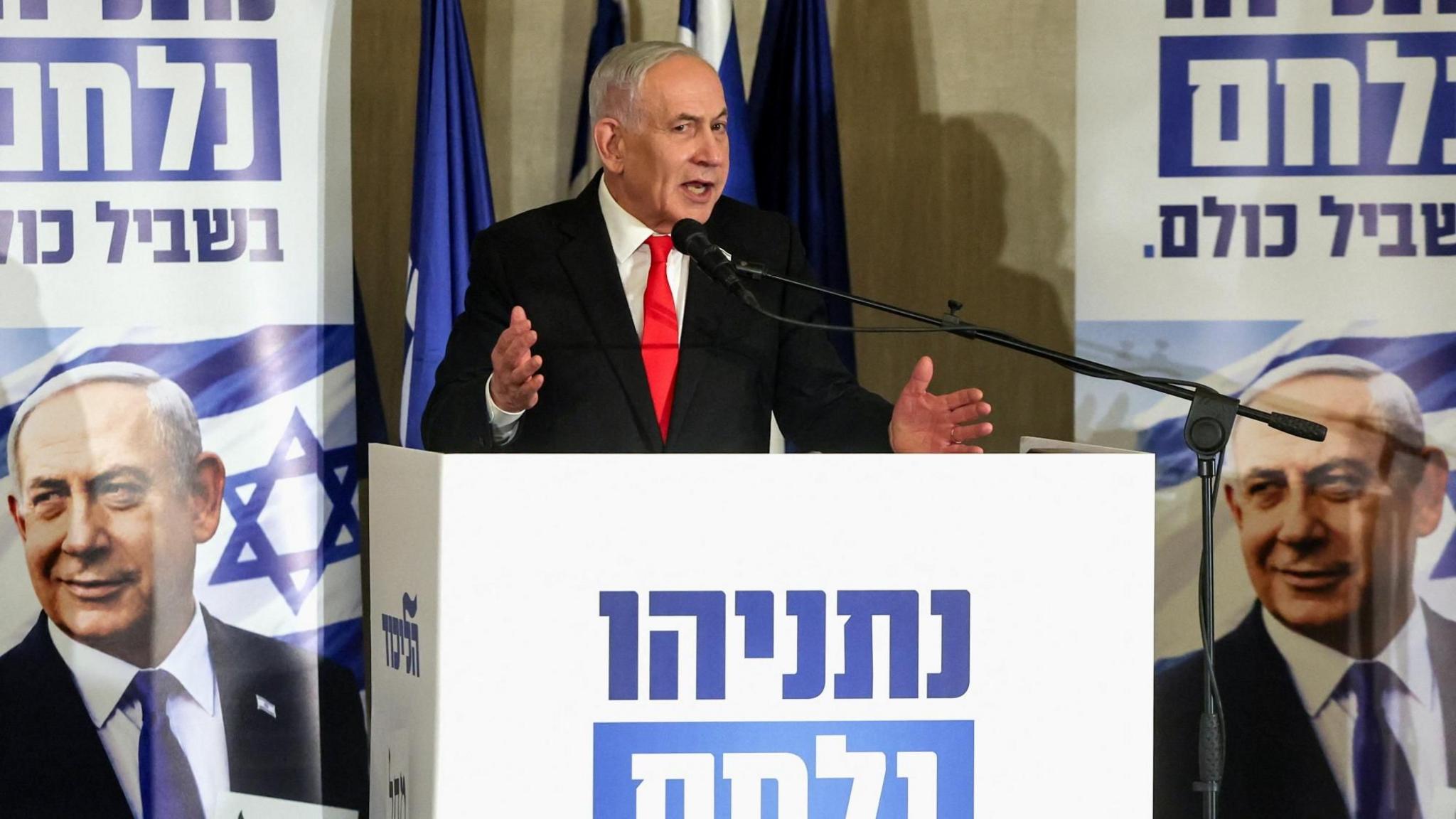
Netanyahu’s campaign narrative—protecting Israel against all threats—has now become a contested claim. The Prime Minister has to decide whether to pursue a path of confrontation that risks straining a vital alliance, or to negotiate concessions that may lead to domestic backlash.
A Multifaceted Perspective
For U.S. policymakers, the ceasefire is an attempt to reduce regional instability without compromising long‑term strategic goals, whereas Israeli public opinion remains split over the balance between security expediency and political compromise. Iran’s reaction—refusing to accept the ceasefire conditions tied to Hezbollah—shows that Tehran is unlikely to yield on its objectives without significant concessions. The situation forces all parties to re‑examine the effectiveness of traditional hard‑power tactics and diplomatic negotiations.
In a region where credibility is essential, the set of competing interests has never been more pronounced. Netanyahu’s next move will influence not only Israel’s political trajectory but also the broader geopolitical equilibrium of the Middle East.