Hamas Disarmament Plan Faces Obstacles but Sparks Rare Hope in Gaza
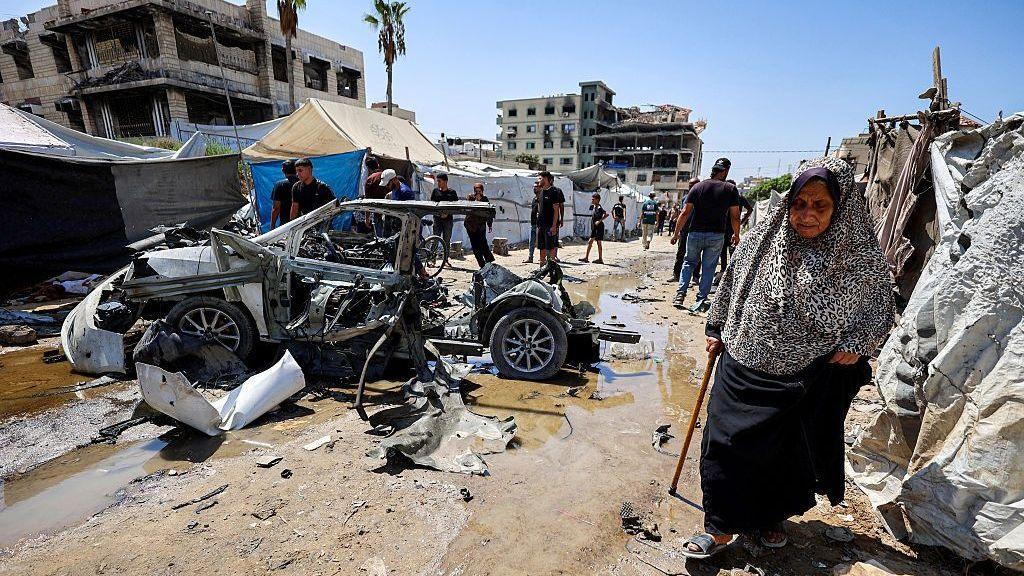
The fragile bargaining table that emerged after a proposal for Hamas to hand over its weapons for an Israeli withdrawal has unfolded amid a bitter war that has left more than 70,000 Palestinians killed. While the idea carries a rare potential for change, it confronts a maze of practical, political, and ethical challenges.
The Core Deal and Its Complexities
At its heart, the plan posits a direct exchange: Hamas must surrender its arsenal, and Israel would lift its military presence from the majority of Gaza. Such a simple swap is difficult to realize because each side operates under deep mistrust and conflicting priorities.
The Israeli defense strategy holds that Hamas remains a threat until it is fully disarmed, a stance that aligns with broad public opinion in Israel, many of whom fear a repeat of the October 2023 attacks. Meanwhile, Hamas, now under extraordinary pressure—faces mass casualties, targeted attacks on its leadership, and the destruction of many of its support networks—must navigate a narrow window to negotiate without compromising its core survival strategy.
Humanitarian Hardship in Gaza
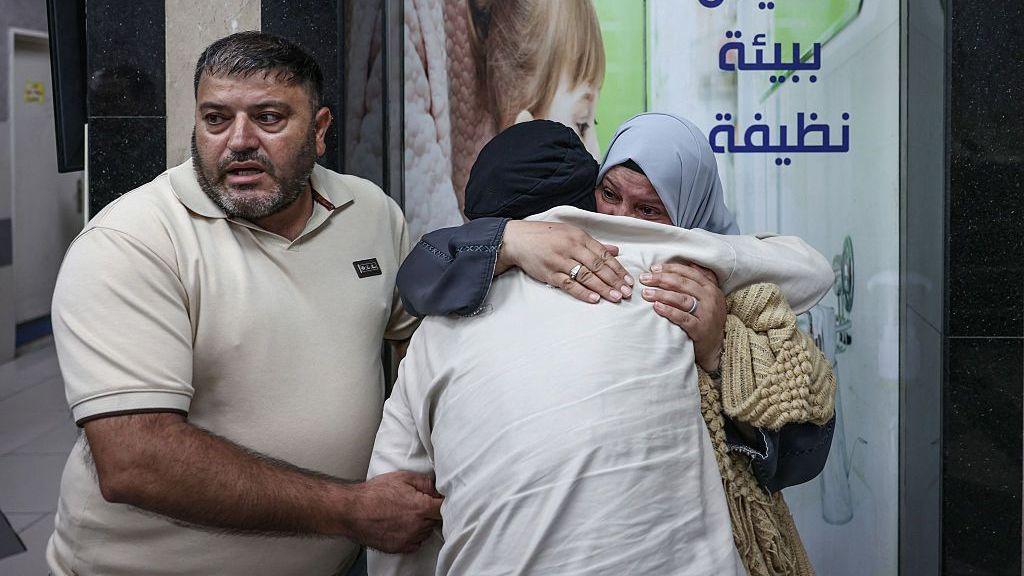
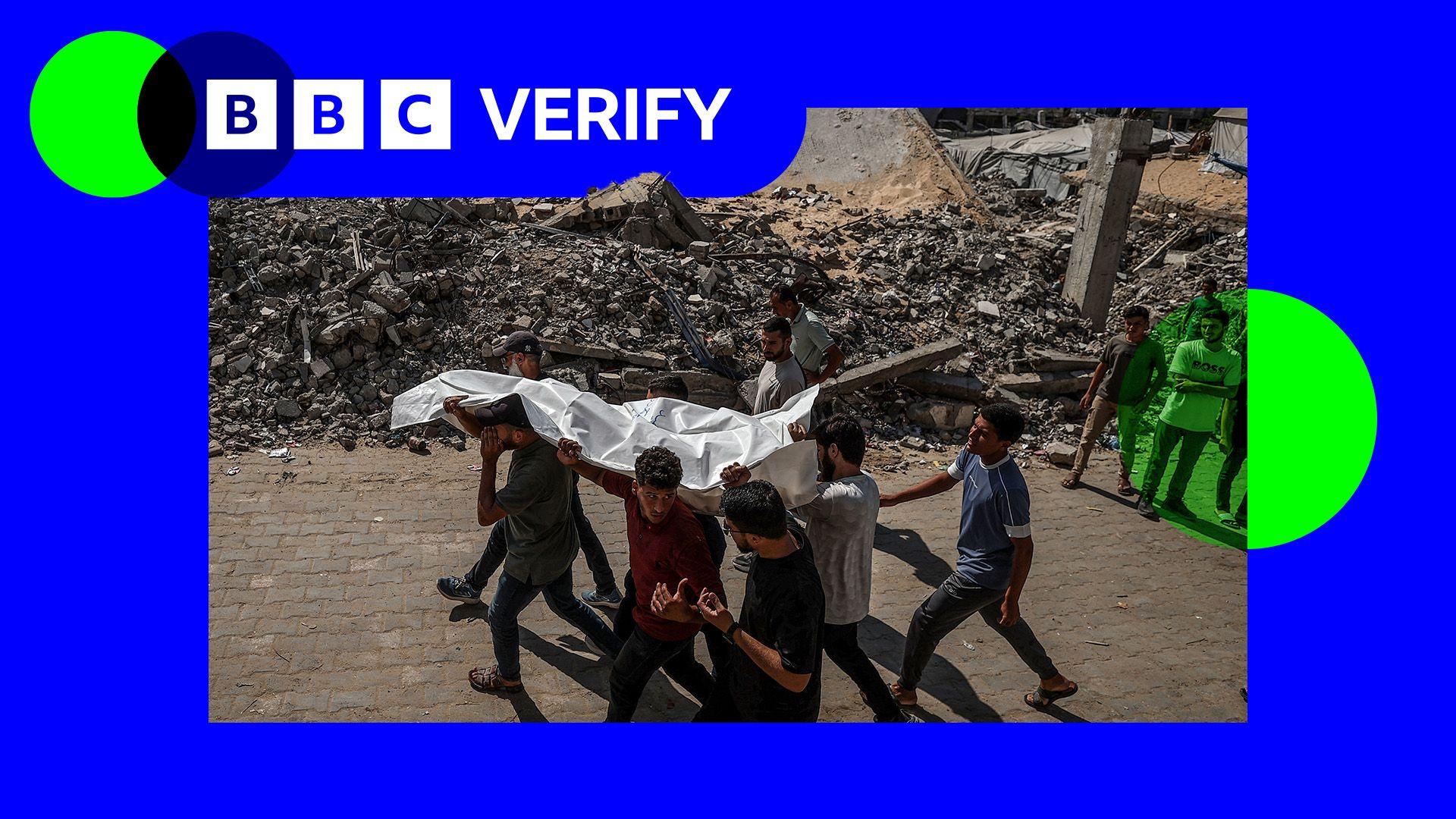
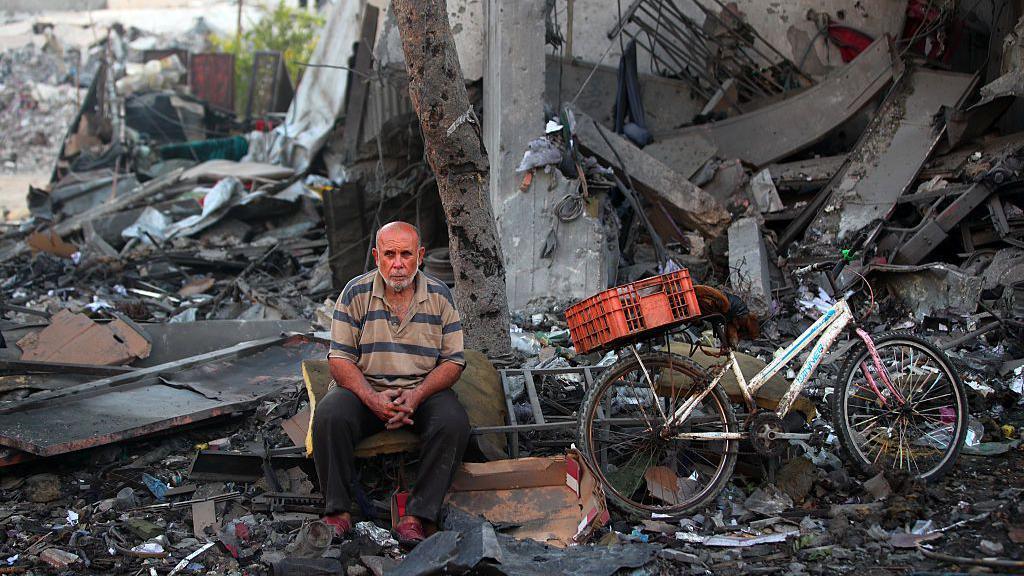
Gaza’s current situation is described as catastrophic. According to Gaza Health Ministry figures monitored by the UN, over two million civilians endure shortages of food, water, and shelter. Israel’s military operations have triggered widespread devastation, with documented claims that more than 20,000 children have been killed since the conflict began.
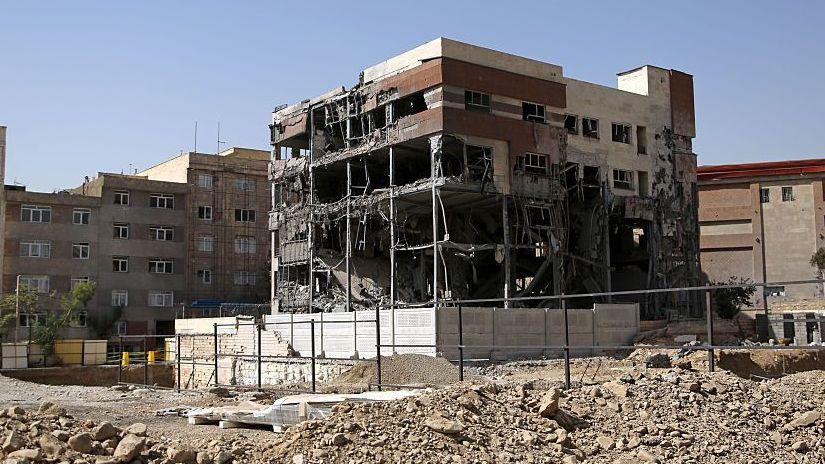
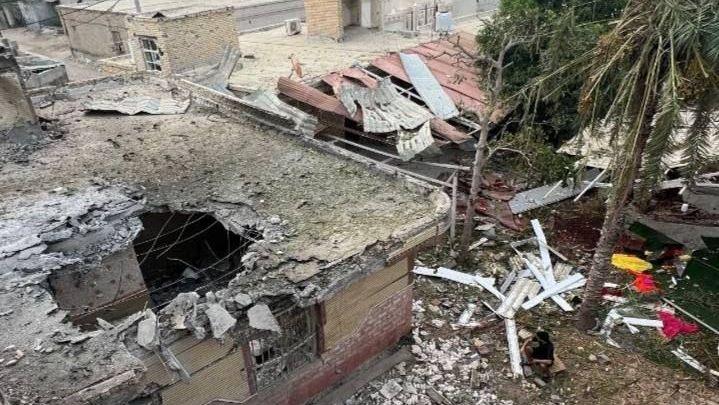
The aftermath is exacerbated by a coordinated effort that includes Israeli demolition contractors whom the IDF has hired to finish destruction initiated by bombings, intensifying displacement of thousands.
Political Calculations Behind the Table
Prime Minister Benjamin Netanyahu faces domestic election fallout, trying to avoid appearing weak on security while simultaneously needing to impress the United States. His strategy involves maintaining a careful balance—playing for time, protecting his legal defenses, and portraying himself as the main liaison between Israel and Washington.
In the U.S., President Donald Trump, finishing his campaign, seeks a decisive war victory to bolster his political prospects. He must manage the risk that any failed engagement could strengthen anti-Israel sentiments in Israeli public opinion, potentially leading to a loss of support for his loyal ally.
Hamas’ Resilience and Adaptation
Harsh casualty numbers have not broken Hamas’s resolve. The group is now attempting to strengthen grassroots support by expanding educational and charitable programs, especially to appeal to the new generation that depends on aid amid a crippling crisis. Strong diplomatic outreach, notably from Egypt and Turkey, has kept the conversation alive by bringing in figures such as Khalil al Hayya, a key political leader who helped negotiate concessions.
A Path Forward Requires Tenacity
The idea of a step‑by‑step agreement, building small gains over time, remains the most realistic pathway. Sustained diplomatic engagement, free of abrupt shocks that can derail confidence, is essential for the fragile negotiations to progress. Recognizing the West Bank’s looming flare-ups—predicted to become the most violent period in the region—highlights the urgency of a comprehensive approach that safeguards both sides’ interests.
If the disarmament accord fails, the broader context suggests a potential spiral that could entrench both nationalistic narratives and legacy conflicts, ultimately deepening the plight of civilians on either side and limiting prospects for a sustainable peace.