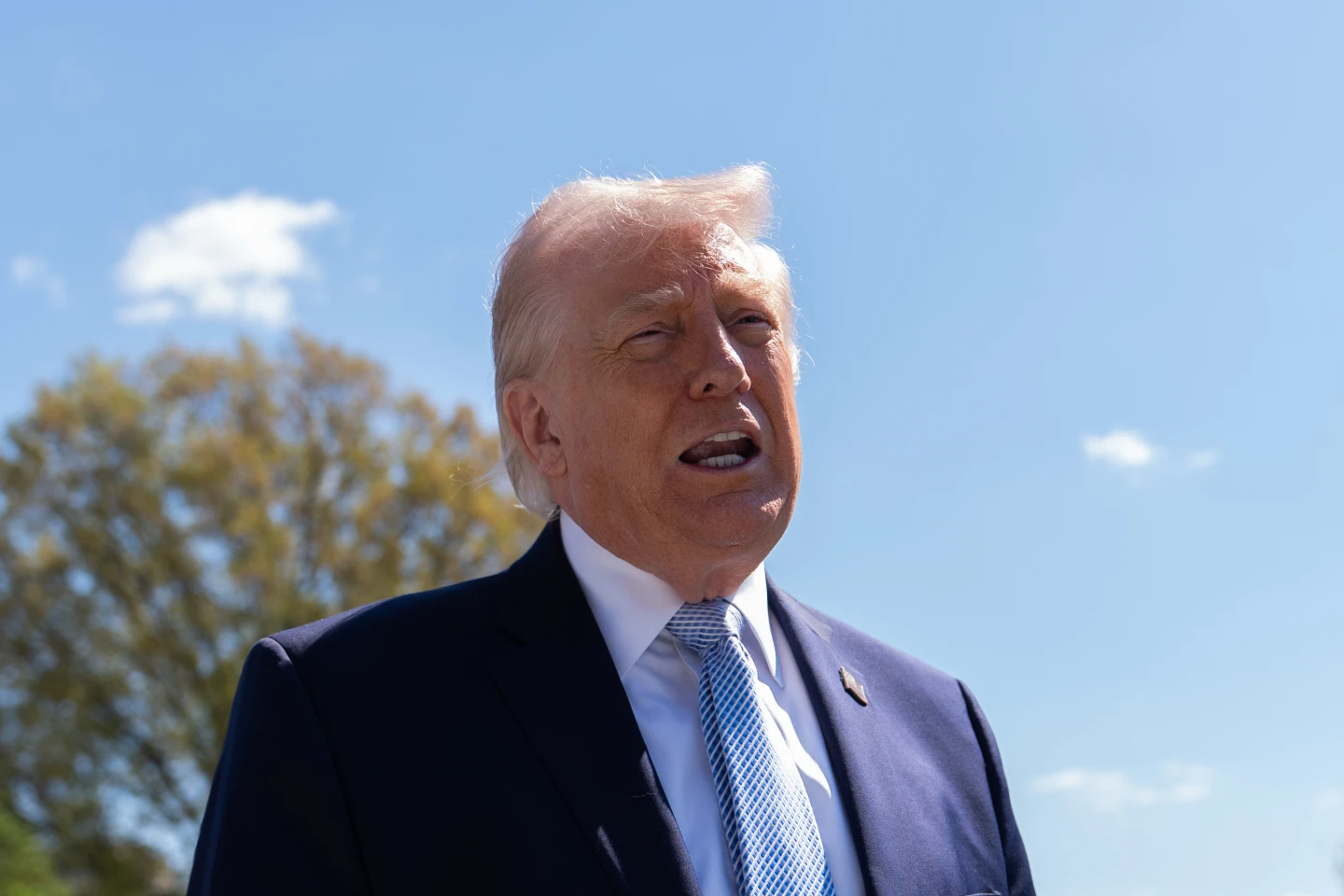
ANNAPOLIS, Md. — Maryland Democrats have rejected an effort to redraw the state’s congressional map to enhance their party’s prospects in the midterm elections, marking a setback for Governor Wes Moore who backed the initiative to counter President Donald Trump's redistricting strategy.<\/p>
The proposal officially expired as the state legislative session wrapped up late Monday, caught in a web of internal party disagreements. Ultimately, the Maryland Senate chose to leave the bill in committee, amid concerns from Democratic members that the initiative could inadvertently backfire in court.<\/p>
This mid-decade redistricting push, which began last year following Trump’s encouragement of Republican-led Texas to redraw their electoral maps, is anticipated to continue as Republicans plan to revise congressional boundaries in Florida during an upcoming special legislative session. Concurrently, Democrats are urging Virginia voters to consider a redistricting referendum.<\/p>
However, without a new map, the Democrats in Maryland have missed their chance to potentially oust the state’s sole Republican representative in Congress, adding to concerns about missed electoral opportunities<\/p>
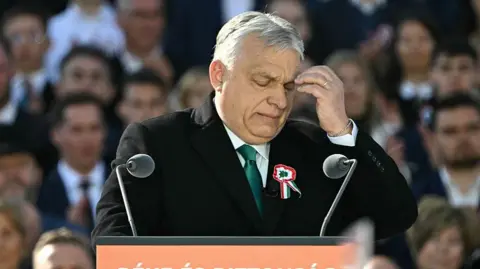
Governor Moore, a prospective 2028 presidential candidate, has expressed disagreement with Senate President Bill Ferguson, emphasizing the necessity of aggressive countermeasures against Trump's tactics. He argued that Trump aims to alter electoral rules that could deny Democrats a fair chance in upcoming elections.
Ferguson, however, contended that any redistricting attempt may risk losing even more seats for Democrats due to potential judicial challenges, maintaining his opposition against Moore and House Minority Leader Hakeem Jeffries' pressures.
At a recent event in New York, Moore articulated his frustration, accusing Trump of instigating favorable conditions for Republican states while freezing opposition in others, insisting that if redistricting was on the national agenda, Maryland also needed to engage.
Despite Moore’s proposal for a new map formed by a panel he created in November, the Democratic-dominated Senate declined to act on it, indicating a divide within the leadership. Earlier in the year, he claimed that Maryland faced threats to its political representation from Trump’s actions regarding redistricting in other states.
Democrats, currently outnumbering Republicans in Maryland by 2-1, have a commanding 7-1 majority in the state’s House delegation, with Rep. Andy Harris as the lone Republican. Notably, the Maryland House had passed legislation for a new map earlier in February, but it hit a wall of resistance from Ferguson.<\/p>
The backdrop of this internal struggle is a sweeping trend across states where redistricting efforts are unfolding; in Florida, Republican Governor Ron DeSantis is setting a session to redraw maps, while Virginia's voters are currently weighing a constitutional amendment regarding redistricting. Various states—including Texas, Missouri, North Carolina, and Ohio—are embroiled in debates about how redistricting will influence the political landscape moving into the midterm elections.