In brief
Across various states, nativity scenes have been reimagined to comment on federal immigration enforcement, highlighting fears of separation and deportation among immigrant families. While these displays resonate with some congregations, they have sparked intense criticism and calls for removal from different factions. The responses reflect a wider national debate over immigration policy and its societal impacts, opening up discussions about the role of religious institutions in social activism.
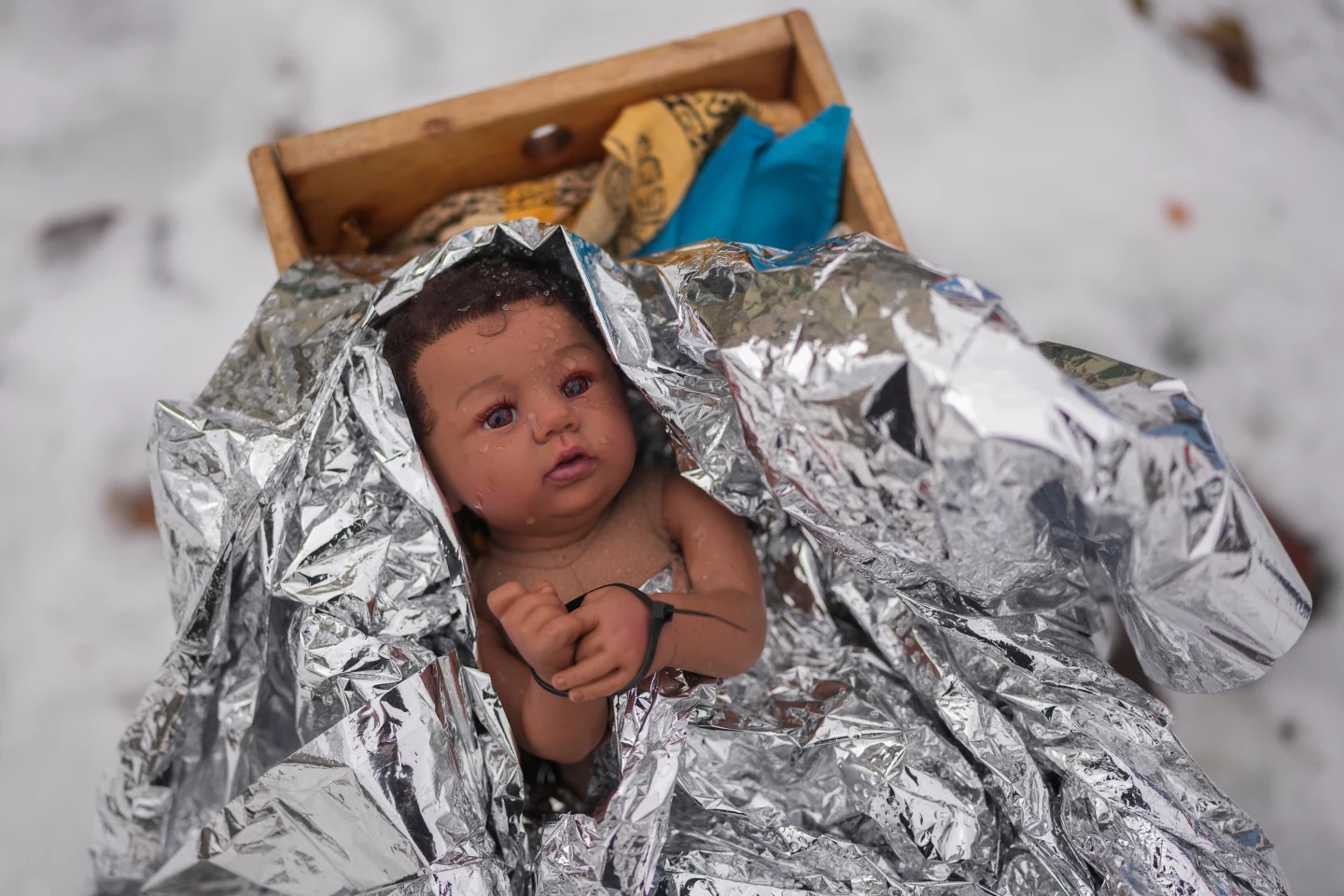
As Christmas approaches, several churches across the United States have taken to reinterpreting traditional nativity scenes to comment on contemporary issues, particularly focusing on immigration enforcement. In Evanston, Illinois, a baby Jesus wrapped in a silver emergency blanket has become a symbol for many families feeling the weight of potential separation and deportation due to federal immigration measures.
In a particularly striking illustration, outside the Lake Street Church, the Holy Family is depicted with Mary donning a gas mask and flanked by Roman soldiers labeled 'ICE'. Another church has stated outright, through a sign next to a similar display, that the family is in hiding due to 'ICE activity in our community'. This transformation of the Christmas scene is seeing both praise from those supportive of immigrant rights and backlash from critics deeming it a misuse of sacred imagery.
Supporters argue that the church's role is to reflect the modern plight of many in the congregational community, as experiences of deportation and fear become ingrained in the fabric of their lives. Critics, on the other hand, assert the displays misrepresent the biblical message and could jeopardize the tax-exempt status of the churches involved. The archdioceses overseeing these parishes have voiced their disapproval, demanding that nativity scenes revert to more traditional representations.
The discussion extends beyond aesthetics to touch on broader issues of social justice, with many church leaders framing their installations as pleas for prayer and activism amidst a backdrop of community strife. Incoming federal policies, aggressive detentions, and the visibility of immigration enforcement have laid bare the realities faced by families, prompting leaders to address these themes explicitly during the festive season.
Beyond the churches’ facades, community sentiment is divided, reflecting the complexities of modern governance, immigration, and personal faith. Stories of immigrants being separated from families at this critical time of year resonate deeply within these congregations, leading to calls for empathy and action.
This duality of reaction raises questions about the intended role of religious institutions in contemporary society as they navigate issues that polarize congregations and communities alike. The ultimate discussions surrounding these nativity scenes are evolving, inviting dialogue about the confluence of faith, activism, and community engagement during one of the most significant seasons for many Christians.