Nearly three weeks into one of the most extreme internet shutdowns in history, some of Iran's 92 million citizens are beginning to get back online - but access appears to be tightly controlled.
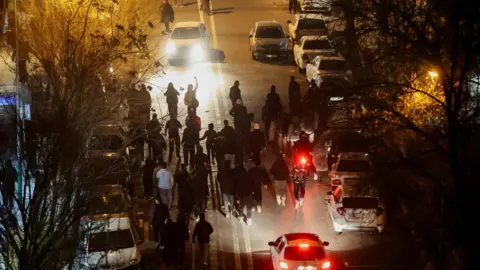
The country cut off internet access on January 8, in what is widely seen as an attempt to stem the flow of information about a government crackdown on protesters.
Iranian Foreign Minister Abbas Araghchi said the internet was blocked in response to what he described as terrorist operations.
Now there is evidence that some internet access has returned - but independent analysis indicates much of the country is still effectively cut off from the outside world.
Iran's reformist Shargh newspaper has reported that some officials had claimed mobile internet had been restored. However, it said many users still do not have full access and can only connect intermittently and for very limited periods, often after repeated attempts.
Firms which monitor web traffic say there are signs of the internet being used inconsistently, raising questions about who is able to connect, and under what conditions. What we're seeing isn't a return to normal, said Doug Madory, director of internet analysis at network intelligence firm Kentik.
Human rights organisations say this control over internet access has played a big role in limiting information about the crackdown on protesters. The Human Rights Activists News Agency (HRANA) has confirmed the deaths of 5,925 protesters, warning that the final toll could be several times higher, with a further 17,091 reported deaths currently being reviewed.
Intermittent Connections
Internet rights observers say the unrest may have given the authorities an opportunity to accelerate long-planned efforts to tighten control over the internet. According to sources cited by Shargh, internet access in Iran has effectively been divided into multiple levels, ranging from a complete shutdown to normal access - with current connectivity still far from a full restoration.
According to sources cited by the newspaper, foreign messaging apps, including WhatsApp, will remain restricted. There are some local communication platforms accessible inside the country, although observers have raised concerns about their security and privacy.
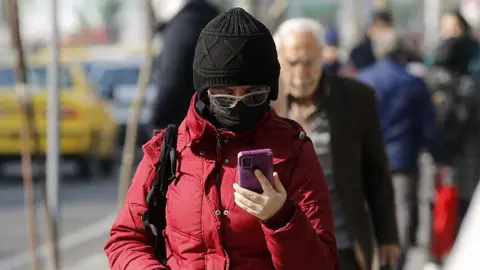
However, in recent days, some users have reported being able to connect intermittently to the outside world, using services such as Google Meet, Telegram, Facebook Messenger, or FaceTime to contact family members.
Rashidi said this may be because selectively granting access to certain parts of the internet can have the side effect of letting tools such as a virtual private network (VPN) function - even if briefly. But he noted that the evidence suggests the authorities are determined to prevent VPNs from operating and to keep control over who can connect.
Financial Costs
After nearly three weeks of internet disruption, Iran's Minister of Communications Sattar Hashemi stated on January 26 that the daily losses caused by the shutdown amount to nearly five trillion tomans ($35m; £25m).
Amid mounting economic pressure, authorities appear to have introduced tightly controlled forms of internet access for some businesses. Business figures indicated that in some cities, members of the Chamber of Commerce are granted just 20 to 30 minutes of unfiltered internet access per day, often under supervision and after completing multiple stages of identity verification.
Furthermore, some businesspeople were required to sign commitments not to send files related to the protests. This system has been described as effectively paralyzing and humiliating by sources within the Tehran Chamber of Commerce, generating widespread dissatisfaction among traders.
Observers at FilterWatch have warned that the authorities are rapidly implementing new systems and rules aimed at further isolating Iran from the international internet. As noted by Madory, web traffic data patterns suggest a full restoration of internet access in Iran may never occur.