In brief
As the anniversary of the Pearl Harbor bombing approaches, this year marks a significant milestone in remembrance ceremonies with no surviving witnesses present. The absence of the last witnesses underscores the ongoing generational shift from firsthand narratives to historical education as the remaining survivors lose their battles against time. As memorial efforts continue, organizations strive to preserve their stories through recordings and educational outreach to ensure the legacy of that day is not forgotten.
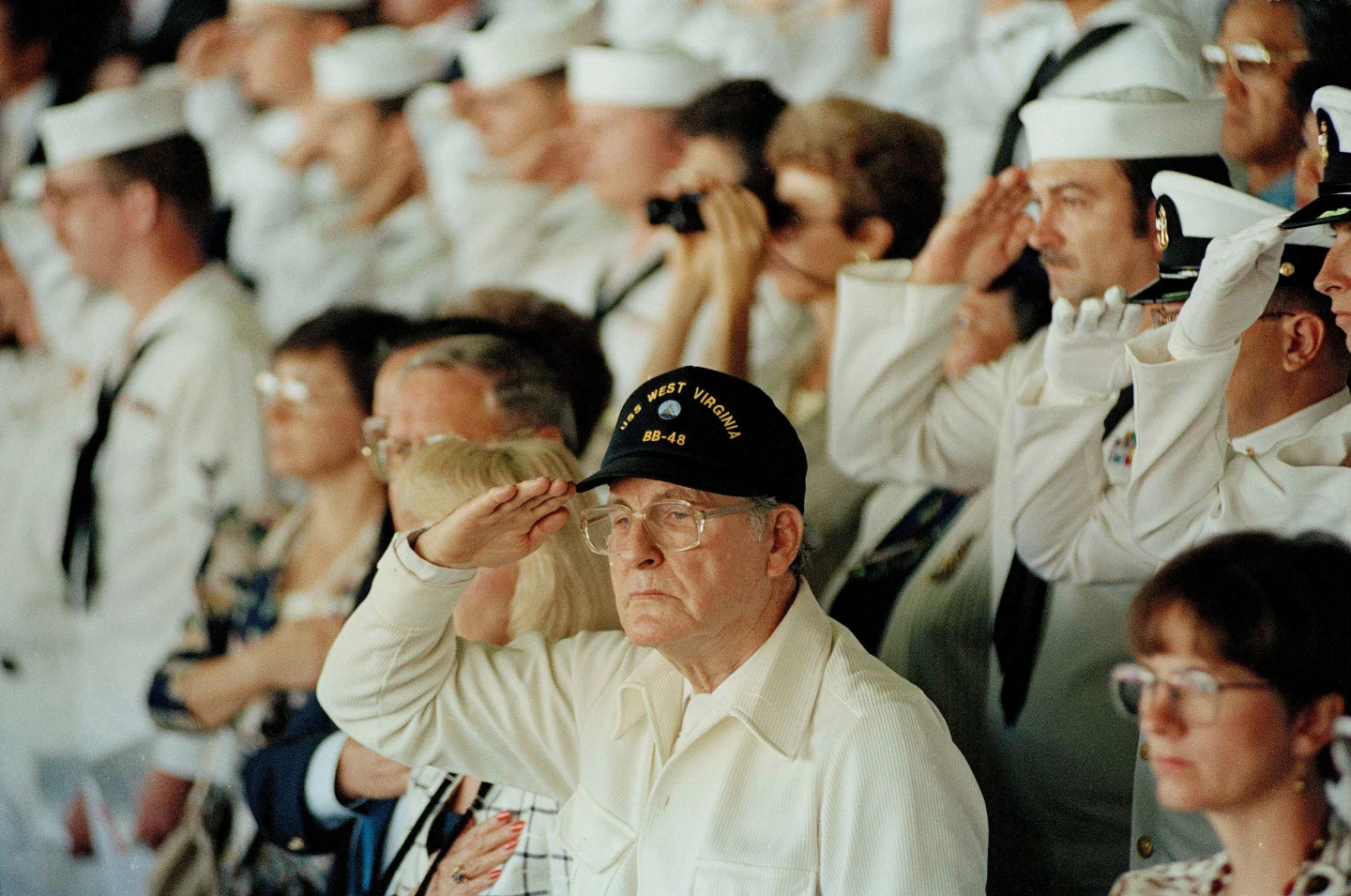
HONOLULU (AP) — Survivors of the 1941 Japanese bombing of Pearl Harbor have traditionally formed the focal point of annual remembrance ceremonies at the military base. However, with only 12 survivors remaining — all centenarians — this year's memorial, set for Sunday, will be distinctive for lacking any eyewitness accounts from those who served during the attack that resulted in over 2,300 military deaths and thrust the U.S. into World War II. Kimberlee Heinrichs expressed her sorrow as her 105-year-old father, Ira “Ike” Schab, was unable to make the journey from Oregon due to illness. This situation, while anticipated, signifies a transition as the stories of Pearl Harbor are increasingly passed on through descendants and educational initiatives rather than from original witnesses. This year marks the first time in recorded history without a survivor physically present at the ceremony, echoing a concerning shift in collective memory as fewer individuals are available to share their experiences. The annual commemoration is steeped in solemnity, beginning at 7:55 a.m. when a moment of silence is observed, marking the exact time the attack commenced. Traditional rituals include aerial displays in 'missing man formation' and wreath-laying ceremonies, often carried out by active-duty service members as survivors age and diminish in numbers. In previous decades, the attendance of Pearl Harbor survivors has waned drastically; from 2,000 participants during the 50th anniversary in 1991 to just two attendees last year. This trend of dwindling survivor presence reflects the passage of time and increasing mortality among those who experienced it firsthand. The attack holds varied significance for Americans, with scholars noting differing interpretations influenced by political perspectives, military preparedness, and personal heroism. The cry for better preparedness resonates notably, as articulated by survivors who stress the importance of vigilance and improved intelligence capabilities to avert similar tragedies. To preserve the accounts of those who witnessed Pearl Harbor, initiatives have been undertaken by historians and organizations to record oral histories and engage future generations. The National Park Service, for example, possesses nearly 800 oral histories, most recorded on video, which serve to keep alive the memories of a day that irrevocably altered the course of U.S. history. The Library of Congress also houses extensive collections detailing the experiences of 535 Pearl Harbor survivors. As the next generation learns about Pearl Harbor, descendants of the survivors emphasize their commitment to keep the narrative alive, ensuring that the legacies of their ancestors endure long after the last eyewitness is gone. The need for this one-point perspective reminds us of the fragility of memory and the continuous effort to honor those who sacrificed their lives during the attack.