In brief
A recent audio leak has exposed significant internal divisions within the Taliban, particularly surrounding an internet shutdown ordered by their supreme leader Hibatullah Akhundzada. While Akhundzada advocates for a strictly religious government, a faction based in Kabul pushes for modern engagement and women's rights. Following Akhundzada's directive to shut down the internet, key ministers from the Kabul group defied his orders, resulting in the internet being restored shortly thereafter. Experts suggest this incident marks a pivotal moment in the Taliban's internal politics, raising questions about unity and governance in Afghanistan.
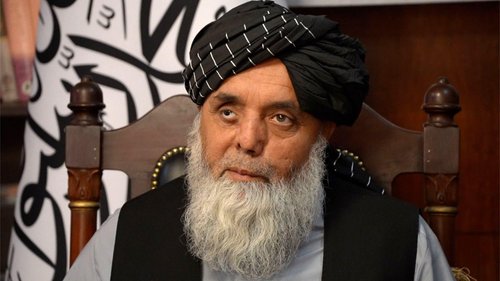
An audio clip obtained by the BBC has shed light on the concerns of Taliban leader Hibatullah Akhundzada, specifically about internal threats rather than external ones. He expressed worries about insiders in the government who could undermine the Taliban's authority in Afghanistan.
In his speech, he warned that ongoing internal divisions pose a risk to the stability of the Taliban-led government, claiming that such factions could lead to the collapse of their regime.
The leaked clip, which has fueled speculation about long-rumored divisions at the top of the Taliban, marks a significant shift in the perception of the group's unity and governance strategies.
Following Akhundzada's controversial order to shut down the internet across Afghanistan in late September 2025, a coalition of Kabul-based ministers, including prominent power brokers, challenged this edict, resulting in the internet being restored a few days later. This act, described by observers as a form of rebellion, underscores the tensions existing between the strict ideology of Akhundzada's camp based in Kandahar and the more pragmatic and internationally oriented factions in Kabul.
The Kabul faction, largely composed of ministers and scholars advocating for a more moderate interpretation of Sharia law, continues to seek a path that allows for women's education and engagement with the international community, creating a stark contrast with Akhundzada's rigid stance.
Akhundzada's distrust of the internet reflects his belief that it undermines Islamic teachings, whereas the Kabul group's ministers argue that modern governance requires digital connectivity. The recent power struggle revealed by the internet shut down suggests a crucial moment for Afghan governance, potentially affecting the rights of Afghan women and the country’s international relations.