Housing Crisis Fuels Spain’s Early Election Bid
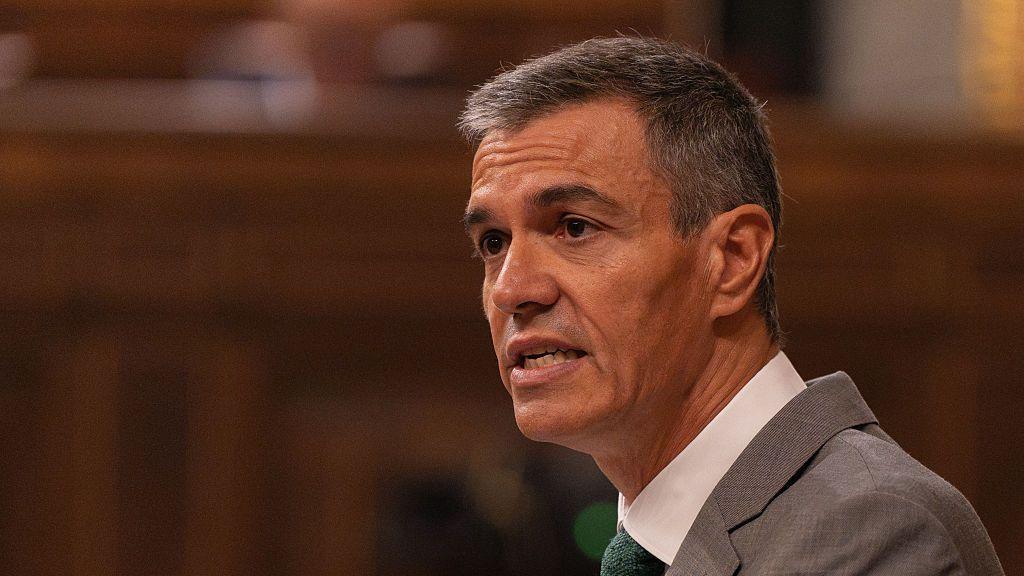
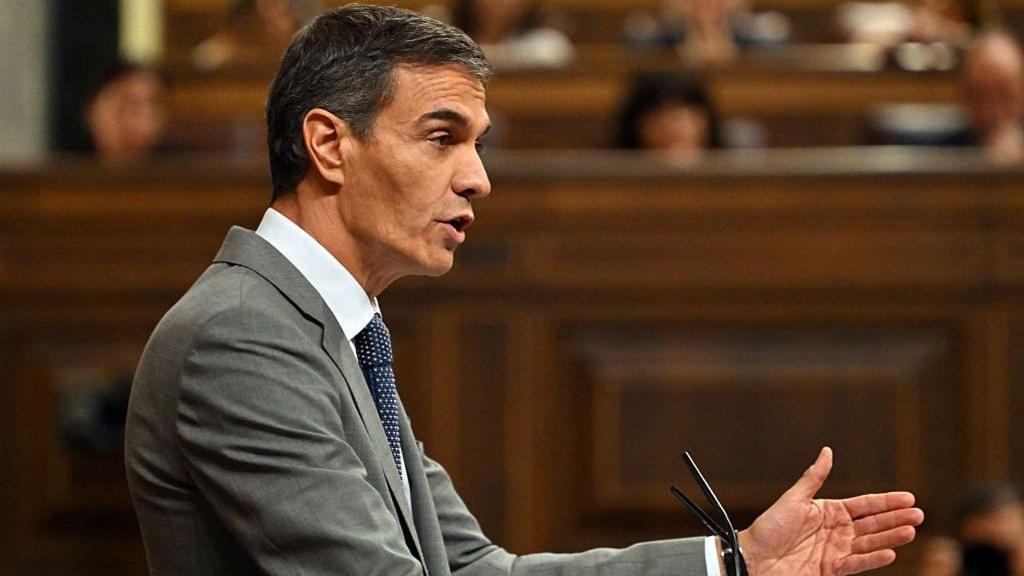
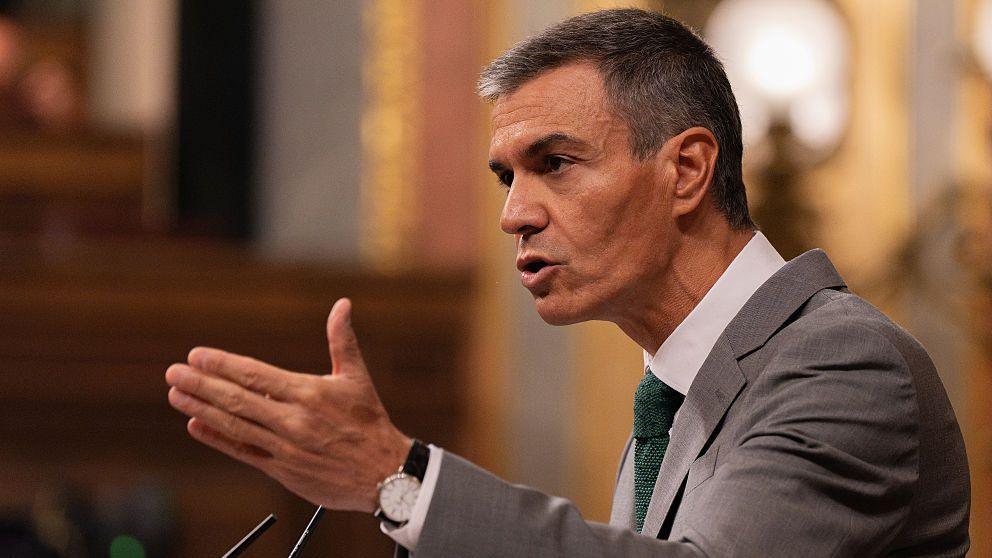
On 29 November 2026, Spanish Prime Minister Pedro Sánchez announced a snap election, following a narrow parliamentary defeat over a package of rent‑protection and housing‑affordability measures. The vote, carried out in a storm of public protests and media scrutiny, reinforced that Sánchez’s left‑leaning coalition no longer holds an absolute majority in the Spanish legislature.
The law package aimed to extend the 12‑month protection period for tenants, cap rent increases, and restrict the purchase of residential properties by investors. Although the proposals were supported by the Socialist Party (PSOE) and its allies, the conservative People's Party (PP) and far‑right Vox blocked the measures, reflecting a long‑standing opposition to direct state intervention in the housing market.
Sánchez’s decision was not impulsive; it follows a string of challenges that have put the government on precarious footing. Corruption investigations have implicated former senior PSOE figures, and the former prime minister José Luis Rodríguez Zapatero faces allegations of improper benefit from a state airline bailout. Meanwhile, the Prime Minister’s spouse is slated for trial over alleged misuse of public funds, creating a wave of public distrust surrounding his administration.
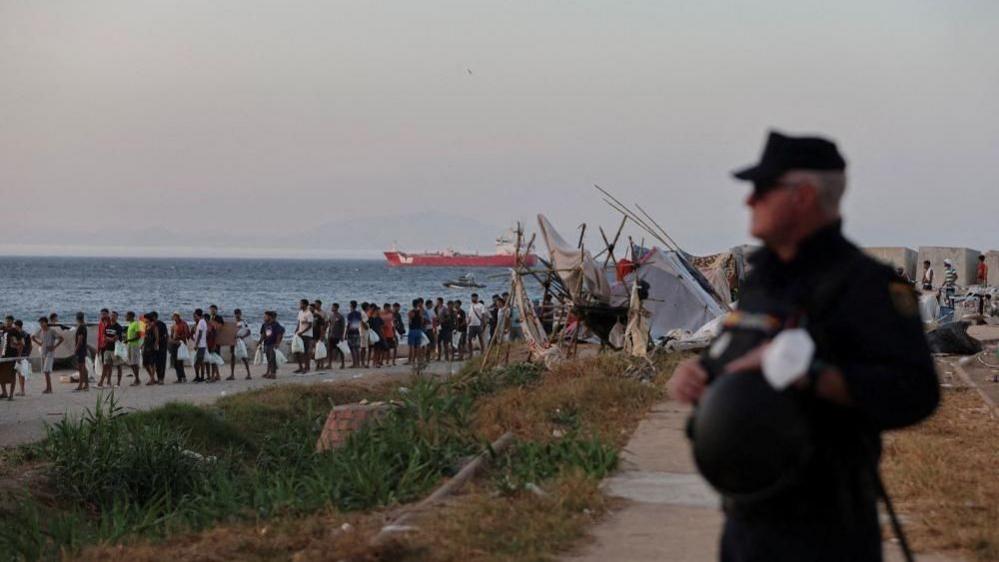
Compounding the political fragility is the crisis in the Spanish exclave of Ceuta, located on North Africa’s coast. An influx of over 70,000 migrants in July strained local resources. Though many returned to Morocco, the event highlighted logistical and security challenges that remain unresolved, further diminishing Sánchez’s political capital.
The Housing Protest Wave
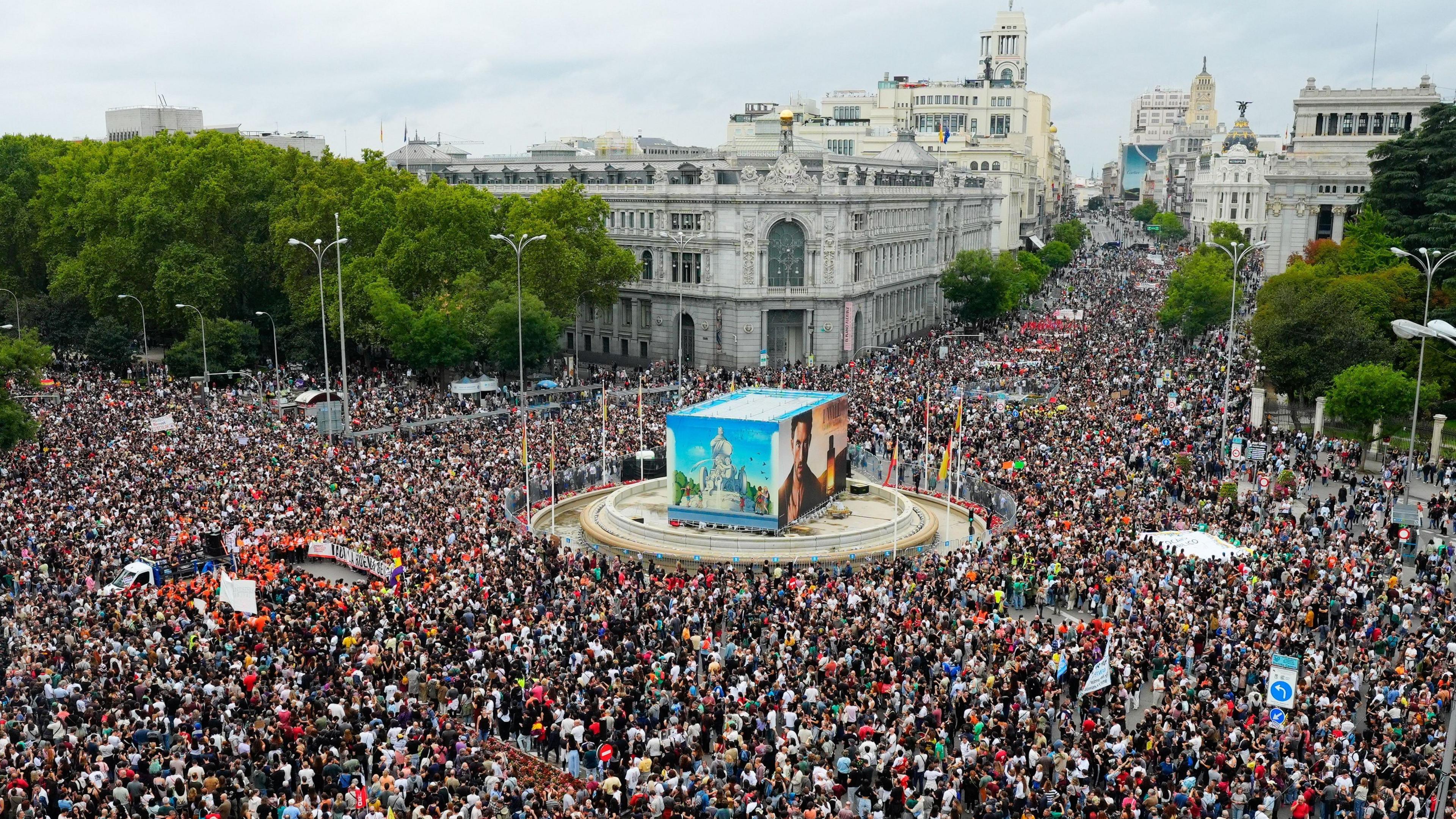
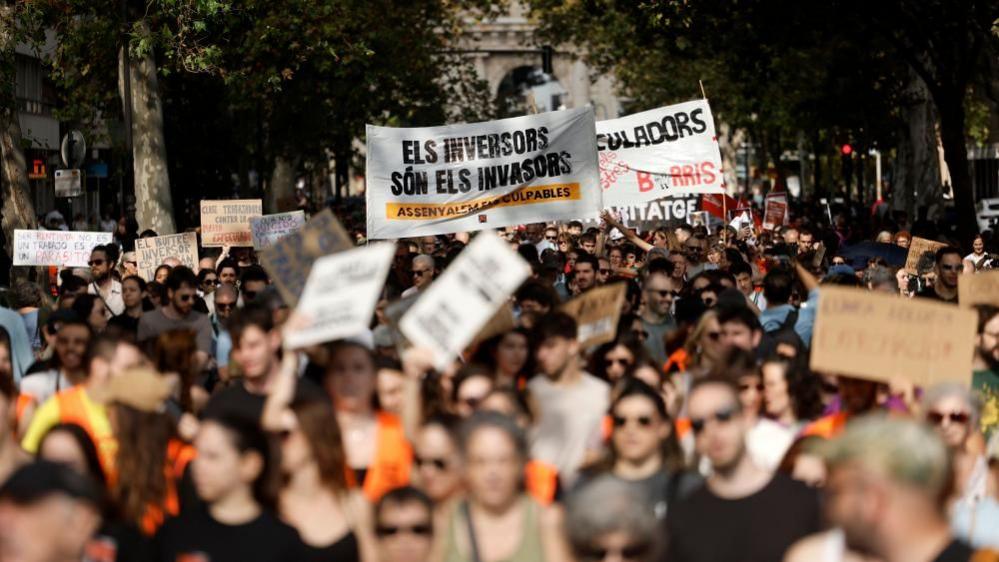
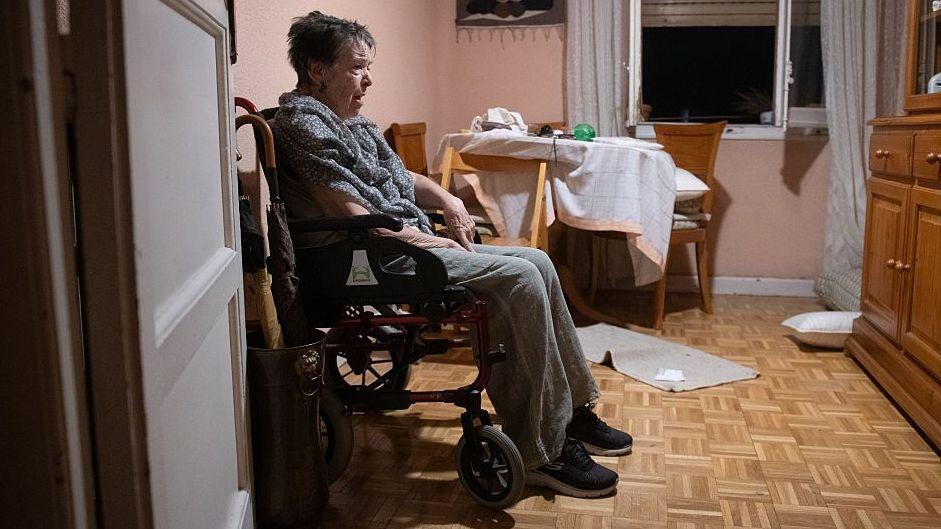
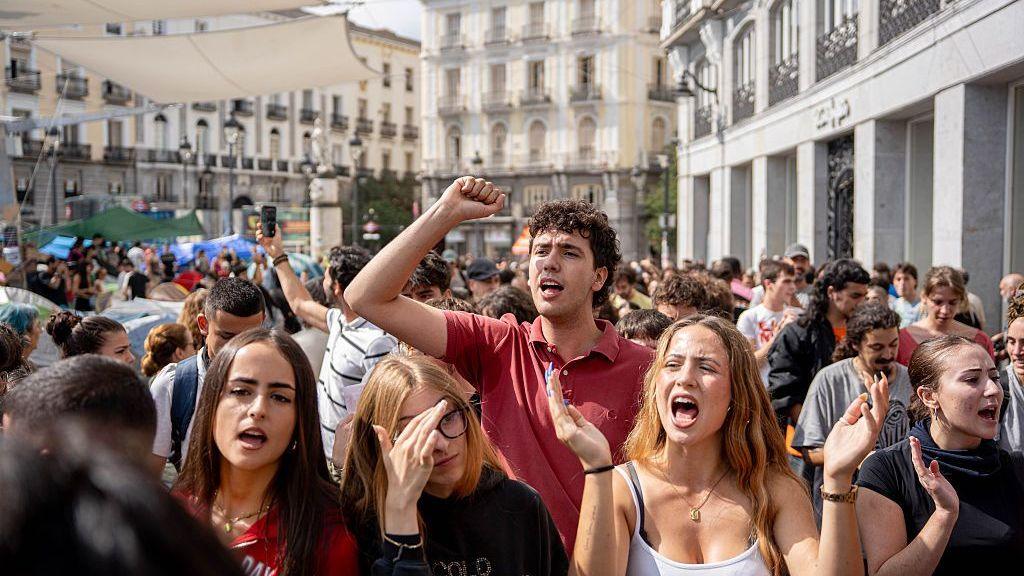
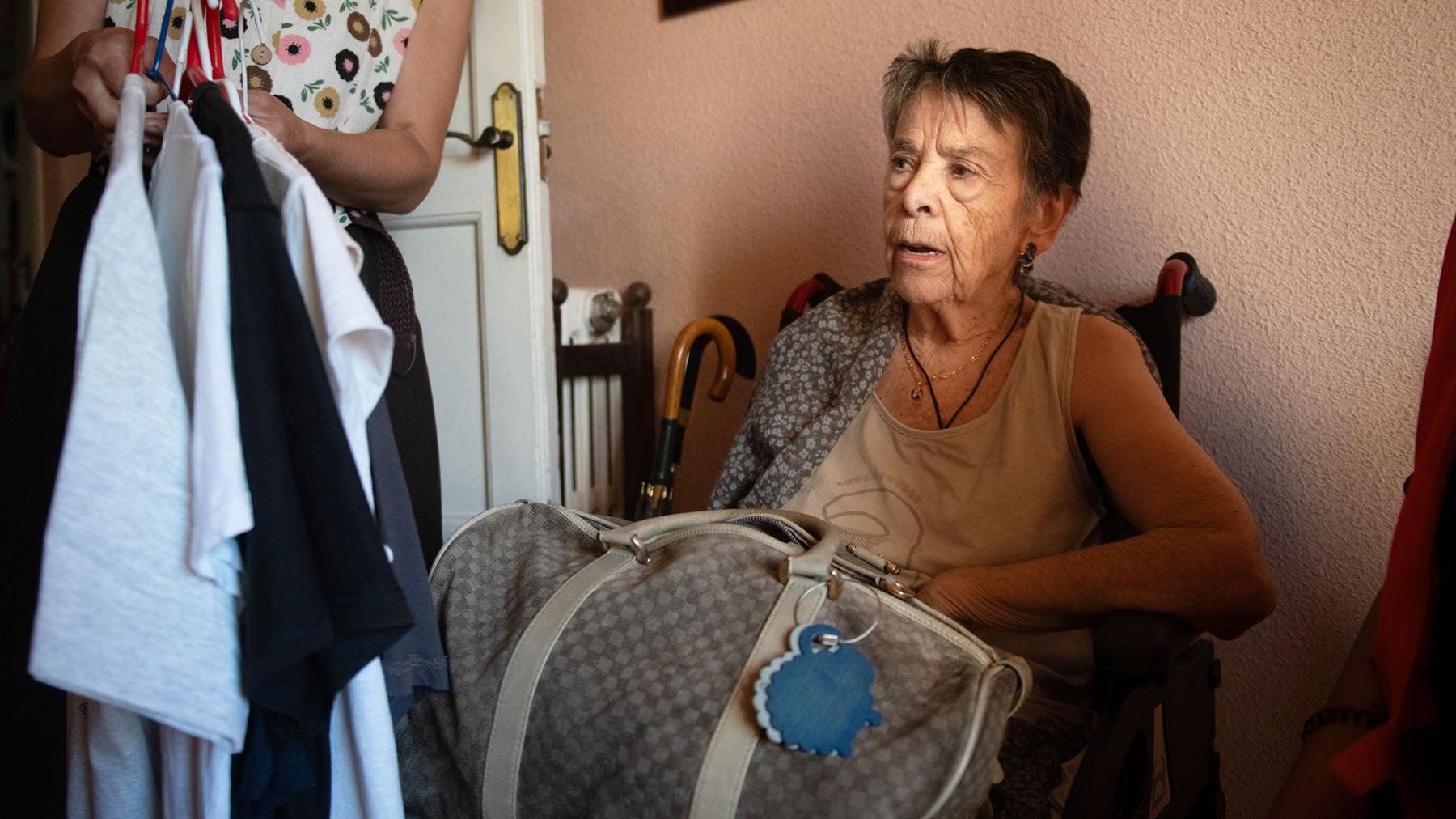
In the weeks preceding the parliamentary defeat, mass demonstrations were staged in major cities including Madrid, Valencia, and Barcelona. Organisers demanded “greater protections for tenants” and cited data showing a surge in outdoor and informal housing as a leading cause of socioeconomic distress. These protests amplified the housing issue’s prominence in national politics, positioning it as a “biggest concern for Spaniards” according to recent public opinion polls.
Sánchez’s campaign narrative centres on delivering a “progressive majority” to enforce social rights such as housing. He has urged voters to mobilise, positioning the upcoming election as an opportunity to “transform Spain” beyond the current crisis.
Opposition Stance and Prospects
The PP and Vox, while alarmed by the current record of corruption, have consistently argued that direct intervention—particularly in rent and property markets—could have unintended economic consequences. Their stance lobbies for a shift in policy away from radical reforms toward market‑driven solutions. However, polls suggest that the Socialists still trail the PP, showing the political gamble Sánchez faces if he underscores housing in his campaign.
From a strategic point of view, the snap election could allow the left‑wing coalition to ground the policy debate on housing reforms under positive lighting. Yet the underlying issues—political scandals, offshore migration pressures, and a fragmented electorate—raise questions about whether the Socialists can translate electoral gains into governance stability.

As Spain settles into the electoral countdown, observers alike will focus on the balance between housing woes, migration policies, and corruption allegations in shaping the next parliament. The election outcome will reveal whether the electorate prioritises social protections over previous governance controversies or demands a reset of Spain’s current political trajectory.