In brief
As Thailand approaches a pivotal election, the People's Party stands at the forefront, gaining popularity among voters. Despite their polling success and the spirited campaign of candidates like Suttasitt 'Macky' Pottasak, they face daunting challenges obstacles from established conservative institutions. Historical setbacks from previous elections loom large, raising questions about the effectiveness of electoral victories in a political system that favors entrenched powers.
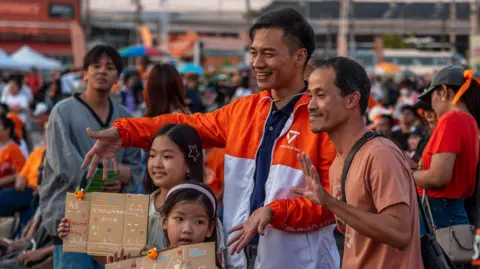
Suttasitt Macky Pottasak represents a new wave of young, progressive candidates in Thailand's political landscape, championing the People's Party's ideals against a backdrop dominated by conservative forces.
Pottasak, who previously worked in television, transitioned to politics to contest a rural seat in Nakhon Ratchasima, where he has creatively engaged voters by incorporating popular culture references, such as adopting the persona from the anime 'One Piece'. His approach has resonated with a youthful electorate, helping propel the People's Party to the forefront of polls leading into an upcoming election.
However, while securing votes is critical, history reminds us that election victories alone do not guarantee success for progressive parties in Thailand. The previous electoral gain by the Move Forward Party met a discouraging fate, as they faced resistance from powerful conservative entities like the unelected senate and the constitutional court, which halted their attempts to govern by dissolving the party and banning its leaders from politics.
The People's Party aims to amend the constitution, reduce the military's influence in governance, and promote reforms to better address economic issues facing Thais. Yet, the loss of past parties like Move Forward illustrates a persistent risk of obstruction, as aggressive measures could arise again to stifle the aspirations of those promoting substantial change.
Macky and his fellow candidates are not only appealing to voters through relatable platforms but also bringing awareness to pressing issues such as poverty and youth migration. Grassroots outreach is evident as they tour communities to connect with residents on their concerns amidst economic stagnation.
However, speculations arise around the sincerity of promises made by established parties like Bhumjaithai and Pheu Thai, who focus on short-term benefits rather than structural reforms. Economists argue that such quick-fix policies are but temporary solutions to more profound underlying issues.
As the election approaches, the People's Party looks poised to gather significant support. Yet the political landscape remains fraught with complexities as the specter of established power hangs over the election, prompting analysts to consider how change will manifest in a system that historically limits the power of elected governments.
The upcoming election stands not only as a test for the People's Party but as a reflection of Thailand's struggle between progressive aspirations and conservative resistance.