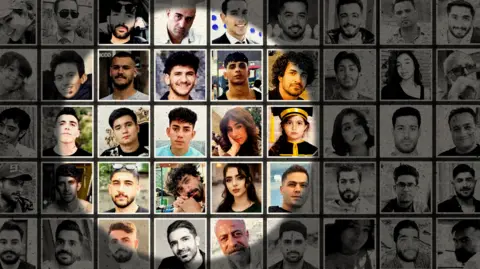
A referee and a student are among hundreds of people reportedly killed during massive anti-government protests in Iran.
Coach Amir Mohammad Koohkan, 26, was hit by live ammunition on January 3 during protests in the town of Neyriz, his friend told BBC Persian.
Everyone knew him for his kindness, they said, adding his family is grieving and angry because he was killed by the regime.
Five days later, student Rubina Aminian, 23, was shot from behind during a protest in Tehran, according to human rights groups. She fought for things she knew were right, her uncle told CNN.
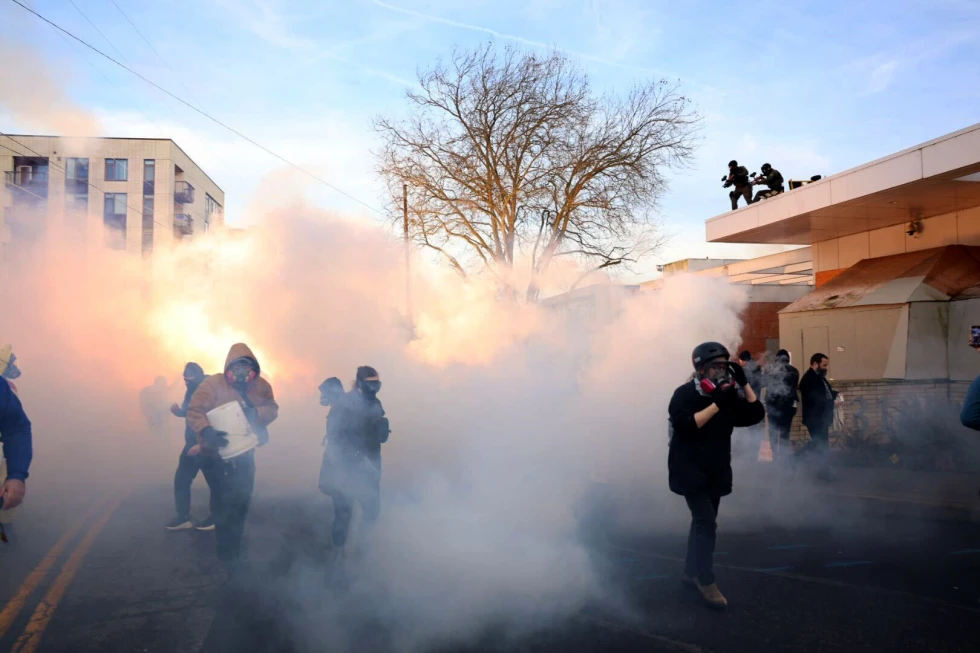
Nearly 500 protesters and 48 security personnel have been killed in two weeks of protests, a US-based rights group says.
Sources in Iran have told the BBC the death toll is likely higher than reported.
Demonstrations began on December 28 over the economy in the capital Tehran and have spread to 186 cities and all 31 provinces, according to the Human Rights Activist News Agency (HRANA).
The protests have grown into the largest in years, with calls for an end to the Islamic Republic and rule of Supreme Leader Ayatollah Ali Khamenei.
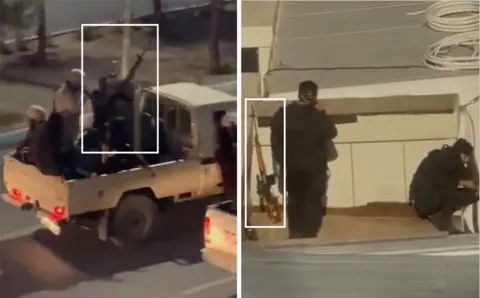
The protests led to a government crackdown, with at least 10,600 people reportedly arrested and 496 fatalities, according to HRANA.
Medical staff in Iran have described hospitals overwhelmed with dead and injured patients. BBC Persian verified that 70 bodies were brought to Poursina Hospital in Rasht city on January 9, and the BBC counted 180 body bags in footage from one morgue near Tehran thought to have been filmed on the same night.
The BBC and most other international news organisations are unable to report from inside Iran due to an internet shutdown imposed by the government, making it difficult to obtain and verify information.
Among the victims was Koohkan, killed in Neyriz in south-west Fars Province; his friend recounted how he was loved by the community, saying, It was far too soon for him, really far too soon. He was so young.
Aminian was shot during a protest on January 8, according to multiple rights groups. Her uncle described her as a strong and courageous individual, advocating for women's rights.
Members of Aminian's family faced difficulties in identifying her body, navigating through hundreds of deceased young protesters, and were reportedly obstructed from mourning ceremonies by authorities.
The Iranian leadership has characterized protesters as troublemakers. Meanwhile, international responses, including from the US, threaten intervention amid rising casualties.
These protests are noted as the most significant since the 2022 unrest, sparked by the death of Mahsa Amini, with respective casualties and detentions resulting in extensive loss of life and disruption.