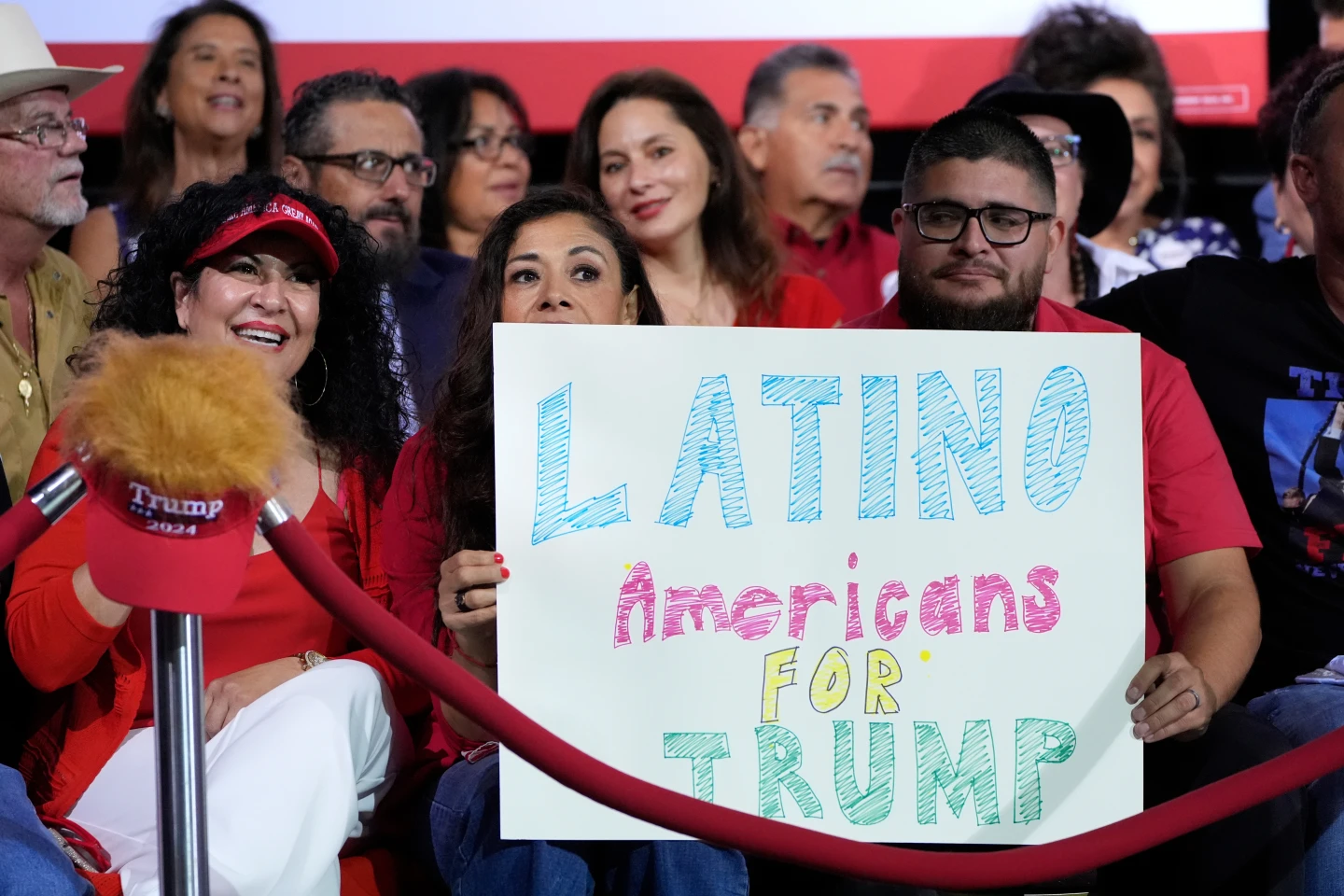
President Donald Trump told a campaign-style rally that consumer prices are falling tremendously as he sought to allay voter anxiety about the US cost of living.
In a speech at a casino in the battleground state of Pennsylvania, the president told supporters he had no higher priority than making America affordable again.
But while gas and egg prices have fallen, other food is more expensive and Americans remain unhappy about the cost of housing, childcare and healthcare.
Democrats have capitalized on Trump's vulnerability on the economy in recent state and city votes, leaving many Republicans uneasy about next year's midterm elections.
Tuesday's event in a swing district of Pennsylvania was the first of what the White House says will be a series of campaign-like rallies aimed at bringing its economic message to voters.
At one point, Trump portrayed concerns about affordability as a Democratic hoax.
The Trump administration has also removed tariffs from dozens of food products and touted its rollback of fuel efficiency standards as cost-of-living fixes.
In an interview, Trump claimed, A plus-plus-plus-plus-plus would be the grade he would give the economy, reflecting a positive outlook despite mixed signals from the public.
Recent polling shows a slight uptick in Trump's approval rating amid these economic discussions, suggesting some message success.
However, many Americans continue to feel the economic pinch, sharing stories of personal struggles with rising grocery bills and job loss instigated by policies like tariffs.
Individuals like Alaina Hunt, who lost her job partially due to these tariffs, illustrate the disconnect between political rhetoric and everyday realities, highlighting a persistent sense of neglect from the government.
As America heads toward a pivotal election year, the economic narrative will undoubtedly play a critical role, with various perspectives emerging on the efficacy of current policies.