US Military Operation: The Capture of Venezuelan President Nicolás Maduro
For months, US spies had been monitoring Venezuelan President Nicolas Maduro's every move. A small team, including one source within the Venezuelan government, had been observing where the 63-year-old slept, what he ate, what he wore, and even, according to top military officials, his pets.
A planned mission dubbed Operation Absolute Resolve was finalised in early December. It was the result of months of planning and rehearsals, including a full-size replica of Maduro's safe house for trainings by elite US troops.
The mission represented a significant military intervention in Latin America, reminiscent of Cold War tactics. The details were closely guarded, with Congress not informed until after the mission commenced. The objective was to surprise Maduro's defenses, resulting in a delayed execution to find optimal weather conditions.
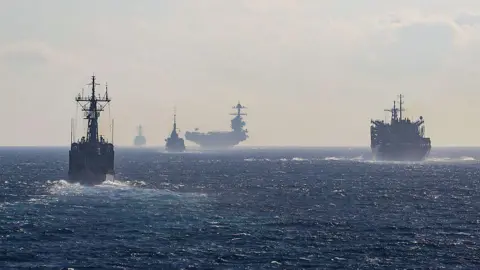
When the operation was finally greenlit at 22:46 EDT on December 30, military forces launched a two-hour mission involving air, land, and sea resources. General Dan Caine, the nation's top military officer, described the scenario as unprecedented in scale and precision, referencing immediate condemnation from regional leaders such as Brazil's President Lula da Silva.
During execution, Trump, not in the situation room but at his Mar-a-Lago estate, followed the operation on a live stream. He expressed awe at the ferocity and speed of the mission, which he described as a monumental success.
The maneuver involved over 150 aircraft and targeted various locations across Caracas, including military bases and Maduro's fortified compound. Reports indicate Maduro tried to escape but was apprehended swiftly as US forces breached his defenses.
While the operation achieved its goal, it sparked intense criticism regarding the lack of congressional oversight and the potential for escalating tensions internationally. Following Maduro's arrest, Trump announced that Maduro would face charges in the United States.