WASHINGTON (AP) — In a significant shift from previous years’ reduction efforts, the United States registered a 2.4% increase in heat-trapping gas emissions from fossil fuels in 2025 compared to the prior year, according to a recent study published by the Rhodium Group.
This uptick in greenhouse gas emissions is largely attributed to several interlinked factors: a cold winter that resulted in higher heating demands, a surge in operations of data centers and cryptocurrency mining, and increased natural gas prices. The Rhodium Group, noted for its independent analysis, also indicated that the effects of environmental policy rollbacks by the Trump administration, which began implementation in the same year, were not significant contributors to this increase.
Historically, U.S. carbon dioxide and methane emissions had decreased by approximately 20% from 2005 levels up to 2024. Typically, emissions have risen in parallel with economic growth; however, recent strategies focused on promoting cleaner energy sources had managed to decouple the two, leading to drops in emissions concurrent with rises in gross domestic product.
Study co-author Ben King indicated that the shift seen in 2025—where emissions actually increased at a faster pace than economic growth—was concerning. The estimated total emissions released was 5.9 billion tons of carbon dioxide equivalents, reflecting an increase of 139 million tons from the previous year.
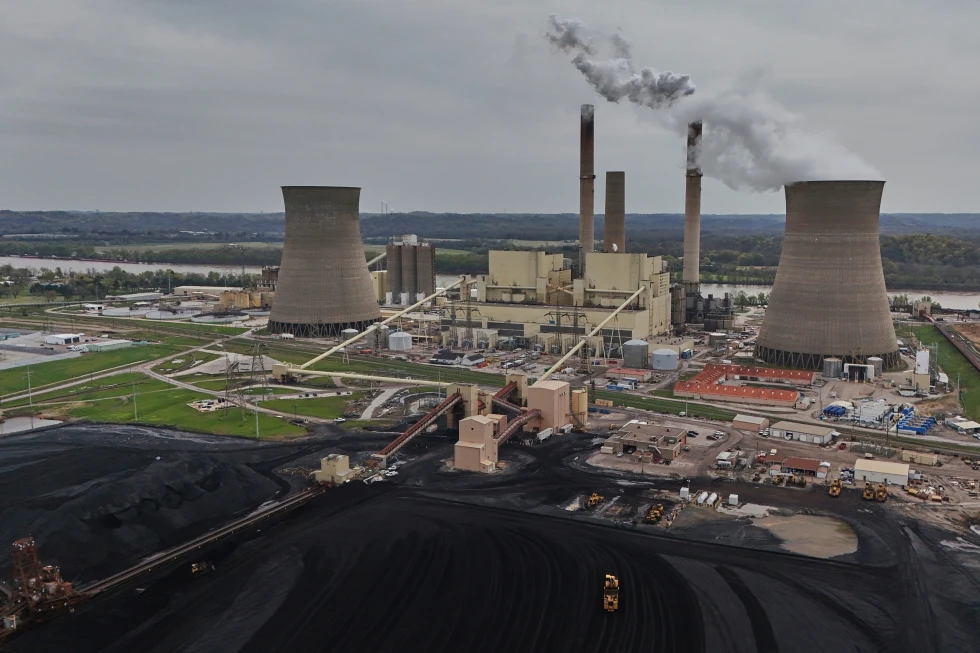
Factors contributing to this rise include a significant demand for heating due to cold weather and increased electricity needs from data centers and cryptocurrency mining operations, prompting greater energy production from conventional plants, including those using coal. The report expressed that while there was a notable rebound in coal usage—contributing to around a 13% increase in coal power—it does not signify a return to its previous dominant role in the energy sector.
Future Implications of Policy Changes
King emphasized that the newly proposed rollbacks of over two dozen environmental policies under Trump's administration are still in early stages and thus have yet to show substantial effects, with the true impact on emissions likely to reveal itself in coming years.
As renewable energy adoption continues—solar energy generation, for instance, increased by 34% through 2025—there are concerns about the potential drag on these advancements due to policy discouragement of clean energy initiatives, such as cuts to solar and wind subsidies.
Environmental experts view the emission increase as a foreboding sign for U.S. climate action, with some advocating for a pivot towards revitalizing clean energy strategies to combat the risks posed by a reliance on fossil fuels. Comments from climate advocates highlighted the alarming nature of these trends, indicating a regression in U.S. commitments to combat climate change.
The Environmental Protection Agency has noted it is not yet familiar with the Rhodium Group's findings but maintains its commitment to protecting human health as part of its core mission.