WASHINGTON (AP) — An advocacy group aiming at increasing support for child and elder care has declared plans to invest $50 million to aid Democratic candidates in congressional races, linking caregiving costs to the broader affordability dialogue in the nation.
The Campaign for a Family Friendly Economy, established a decade ago, seeks to elevate the conversation around caregiving issues within electoral contexts. This funding initiative arises amidst escalating child care costs and the expanding waiting lists for federal child care subsidies that support low-income working families.
According to Sondra Goldschein, executive director of the campaign, the discourse around child care and elder care is vital to the affordability discussion, particularly as the costs of child care have reached levels that surpass housing expenses for many families. The pressures faced by the sandwich generation—those caring for both their children and aging parents—are also significant.
Goldschein emphasizes the impact of these economic hardships on voting behavior, remarking, When child care can cost more than your rent or a mortgage, or you have to sacrifice a paycheck to care for a loved one, it influences voters' decisions. Each election cycle, more candidates are acknowledging this reality.
The campaign is strategically directing funding toward Senate races in pivotal states such as North Carolina, Georgia, Michigan, Maine, and Ohio, as well as House races in Iowa and Pennsylvania. Volunteers will also be mobilized to talk to voters regarding the importance of caregiving.
Amidst rising costs across the board, including surging gas prices influenced by geopolitical tensions in the Middle East, the advocacy group's message aims to resonate with families facing increasing financial pressures.
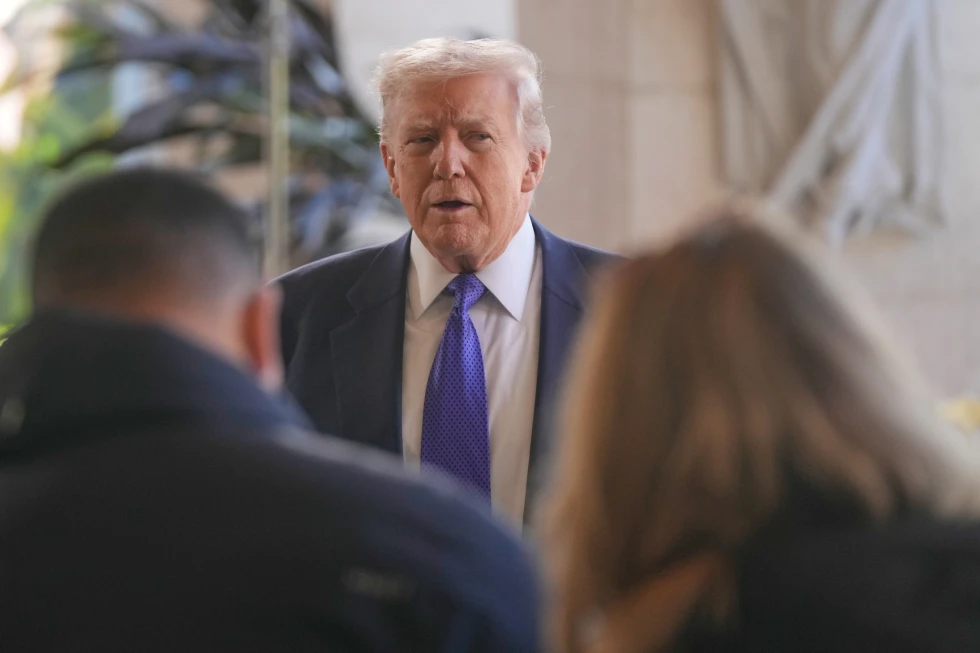
Republicans have recently begun to recognize child care as a critical issue for workforce growth, although their proposals often lack the expansiveness seen in Democratic initiatives. For instance, last year, through President Donald Trump’s One Big Beautiful Bill, Republicans made millions more families eligible for a child care tax credit and increased aid for military families, yet substantial legislative proposals remain fewer in number.
Before the pandemic, child care was not frequently discussed in political campaigns; however, the crisis underscored the precarity and necessity of the child care industry as preschools and centers struggled to remain operational to support working parents, especially in frontline jobs. Biden's administration successfully facilitated $39 billion in aid for child care in 2021, but his vision for universal prekindergarten and expanded child care subsidies was not fully realized in Congress.
As various candidates integrate caregiving pledges into their campaigns this election cycle, including Democratic gubernatorial candidates in New Jersey and Iowa, the stark contrast in approaches between parties remains evident. The responsiveness of the electorate to caregiving issues continues to evolve amid rising costs, making it an increasingly salient topic in the political arena.