Global temperatures in 2025 confirmed a slight decline, influenced mainly by the La Niña weather pattern. This year, while cooler than the preceding record-breaking temperatures of 2024, is still significantly warmer than in prior decades due to rising carbon emissions.
The Copernicus Climate Service reports a global average temperature of over 1.4C above pre-industrial levels, indicating past three years as the hottest ever recorded. Experts like Dr. Samantha Burgess point out that despite the dip in temperatures, this period may be viewed as 'relatively cool' in the future.
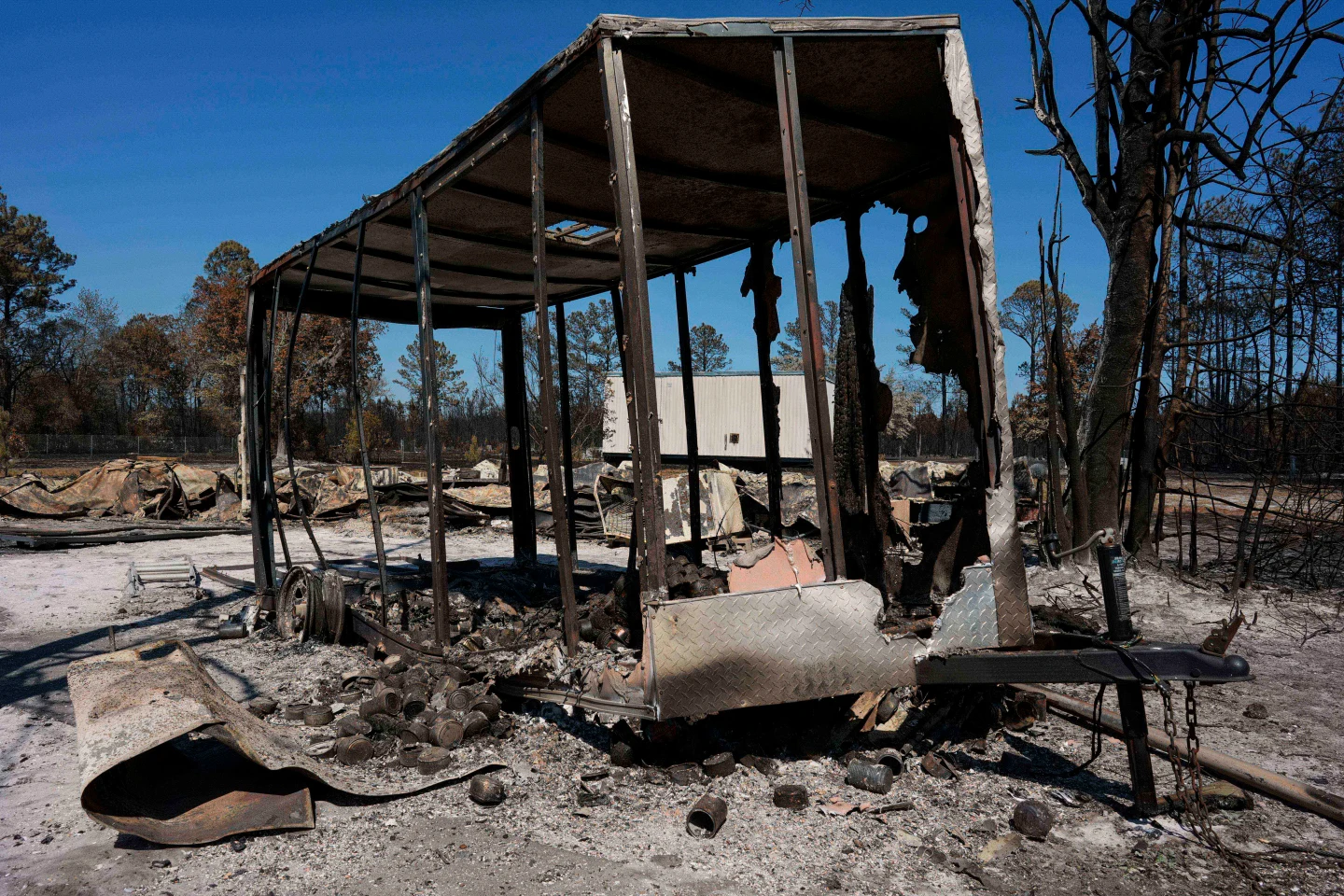
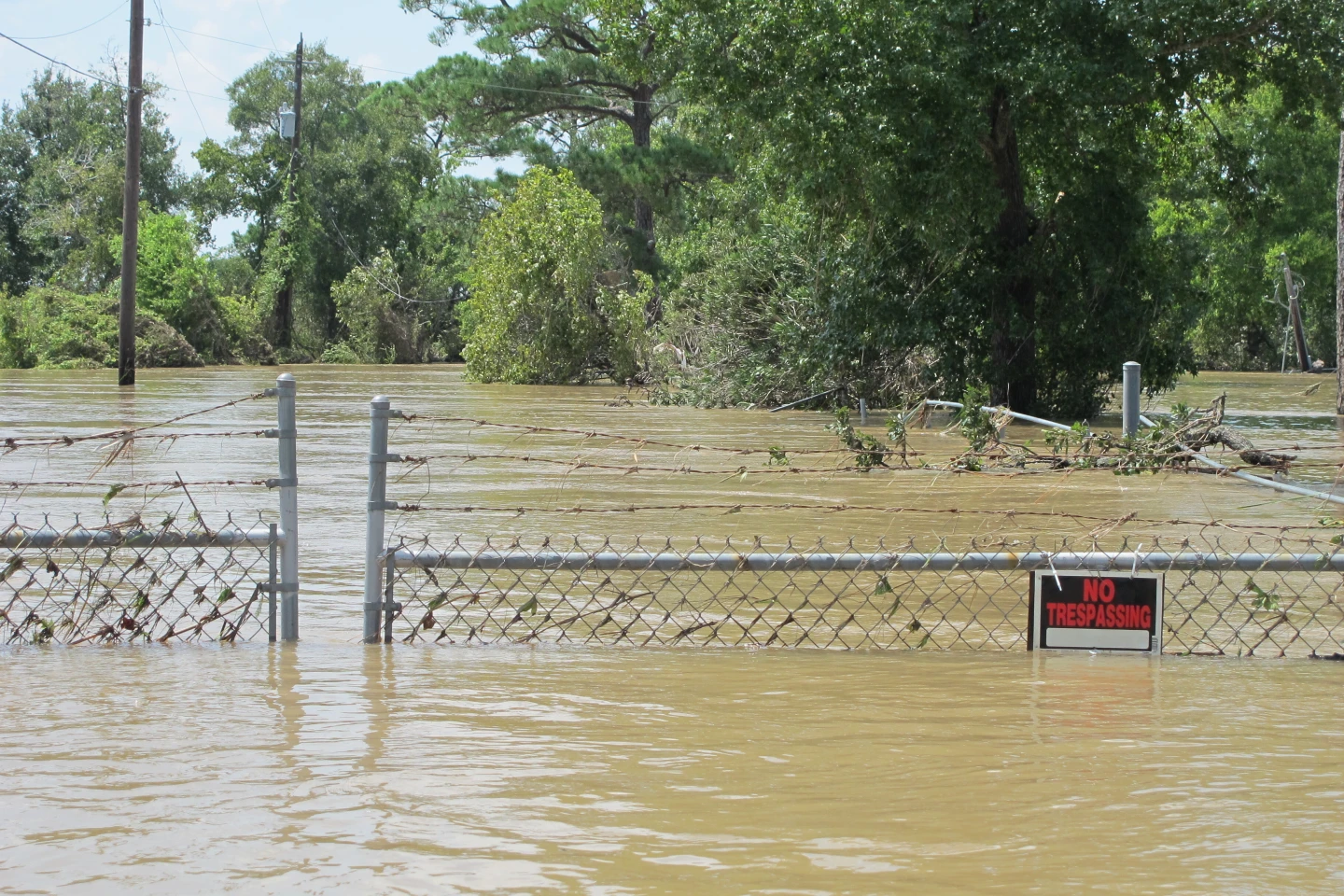
La Niña's cooling effects did not erase alarming warming trends attributed to human activities, as severe weather events and temperature surges persist. Notably, events like the devastating California fires and Hurricane Melissa highlight the profound effects of climate change.
Despite the slight decline in temperatures this year, scientists caution that without significant emissions reductions, we are likely on track to breach the critically agreed 1.5C limit by the end of this decade.
In conclusion, the persistent elevation of temperatures and increased frequency of extreme weather implies we are at a pivotal moment where concerted actions towards emission control could significantly mitigate future climate impacts.