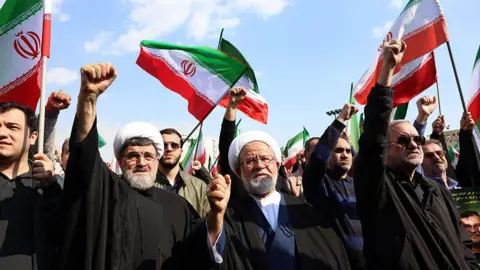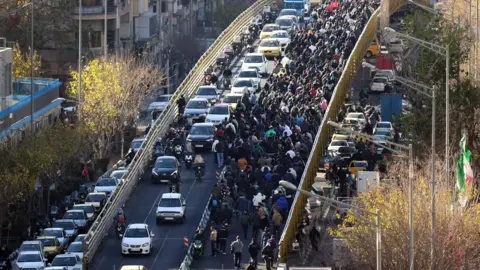
Protests and strikes in Iran over inflation and currency devaluation have spread from the capital, Tehran, to several other cities on a third day of unrest.
The protests began on Sunday after shopkeepers in Tehran's Grand Bazaar staged a strike when the Iranian rial hit a record low against the US dollar on the open market.
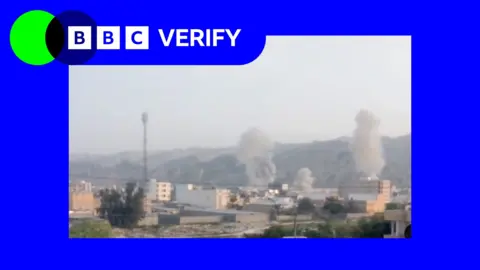
Since then, verified videos showed demonstrations in cities like Karaj, Hamedan, and Isfahan, as police attempted to disperse crowds with tear gas.
The Iranian government said it recognises the protests and committed to listen to citizens' concerns.
President Masoud Pezeshkian indicated that he instructed the interior minister to engage with protest representatives to resolve ongoing issues. Significant governmental changes occurred, including the resignation of the central bank governor.
Students have joined the protests with chants against the regime, invoking the late Shah's name and garnering attention from exiled opposition leader Reza Pahlavi, who expressed solidarity with the protesters.
The US State Department also voiced support for the demonstrators, praising their courage in the face of economic hardship and calling for better futures.
Furthermore, the protests highlight Iran's ongoing economic challenges, with international figures like US President Trump commenting on the situation in the context of US-Iran relations.
As tensions continue, Pezeshkian vowed Iran's response to aggression would be severe, indicating the government's commitment to maintaining order amid the unrest.