Global Temperatures Show Slight Decrease in 2025 Amid Ongoing Climate Concerns
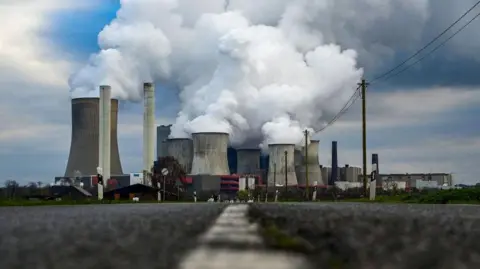
Global temperatures in 2025 did not quite reach the highs recorded in 2024, attributed to the natural cooling influence of the La Niña weather pattern in the Pacific, according to data from the European Copernicus climate service and the Met Office. However, the last three years marked some of the warmest ever recorded, drawing closer to surpassing critical international climate targets.
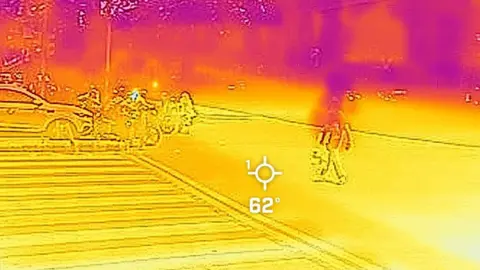
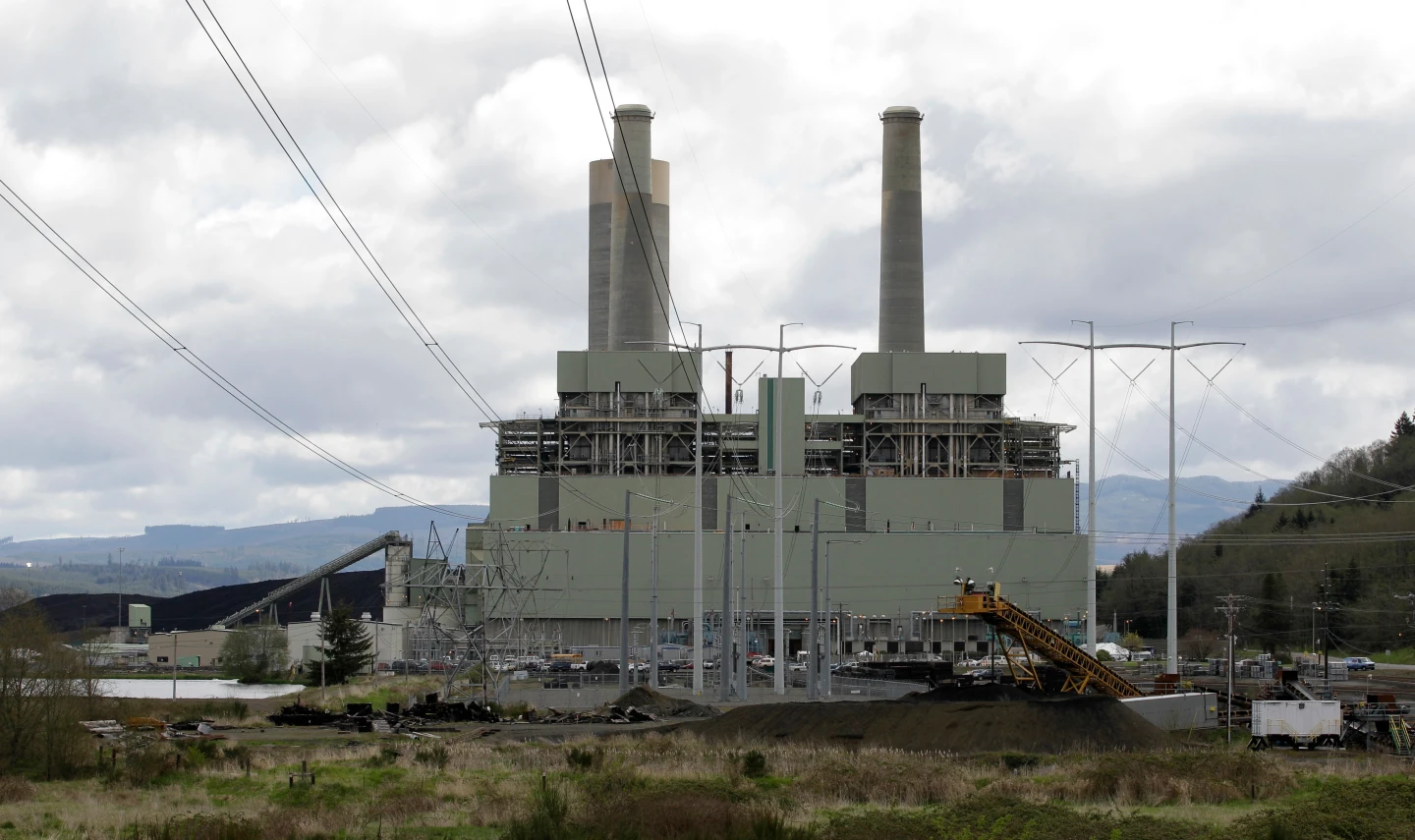
Despite the natural cooling, temperatures in 2025 were still significantly higher than those recorded even a decade earlier, as ongoing carbon emissions continue to impact global warmth. Experts warn that this trend is likely to result in further heat records and exacerbated weather extremes, unless global emissions are sharply curtailed.
Dr. Samantha Burgess from Copernicus notes, If we examine the mid-2020s from a future vantage point, we may regard these years as relatively mild. The global average temperature for 2025 surpassed 1.4°C above the pre-industrial levels of the late 1800s—a concerning increase that emphasizes the urgency to tackle climate change.
While 2025 was cooler due to La Niña, scientists like climate researcher Dr. Zeke Hausfather express concern that maintaining such high temperatures in what is typically a cooler year is troubling. Following a series of warm years, the trend has raised alarm bells among climate scientists, with indications that without meaningful action, we may exceed the international goal of limiting temperature rise to 1.5°C above pre-industrial levels by the end of this decade.
Extreme weather events continue to plague the globe, fueled in part by climate change, as seen in the destructive California fires of January 2025 and Hurricane Melissa in October that caused significant flooding in Haiti. As recent data shows, climate-related disasters are becoming increasingly frequent and intense.
Experts underscore that although the immediate future of climate patterns remains uncertain, proactive measures in reducing greenhouse gas emissions and enhancing societal resilience are critical in shaping outcomes. As Prof. Rowan Sutton from the Met Office Hadley Centre articulates, the consequences of human action on climate change can no longer be overlooked, emphasizing the role of reduced emissions in stabilizing global warming.