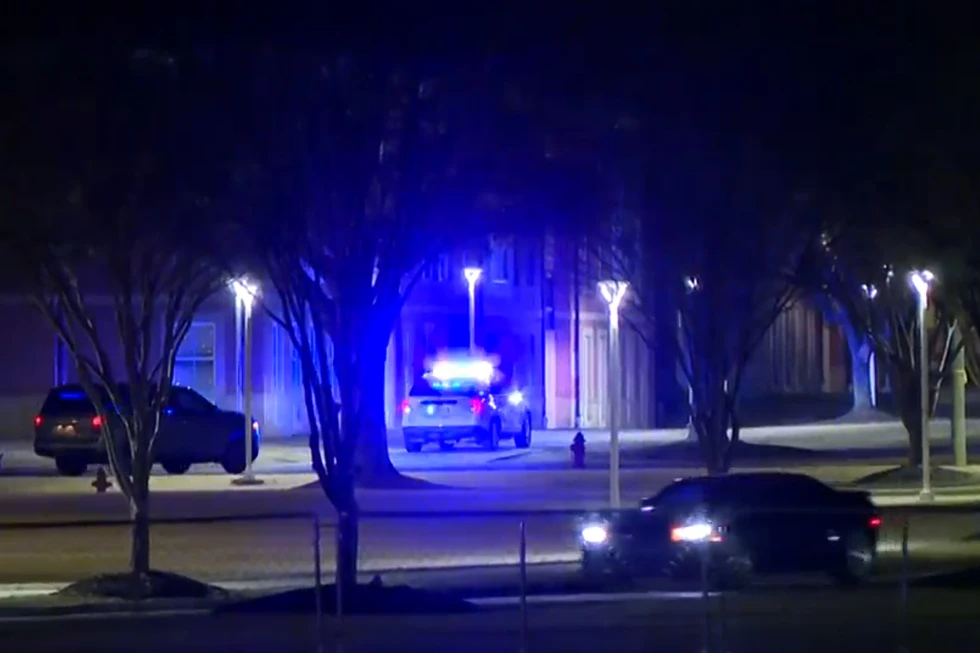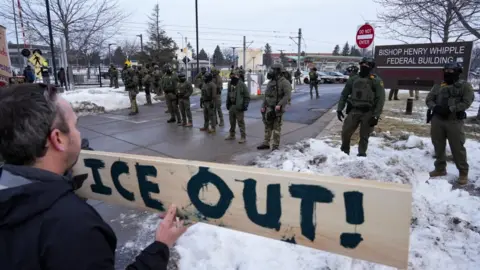
The fatal shooting of a woman in Minneapolis by a federal law-enforcement officer is laying bare the sharp divides in American politics – and threatening to inflame an already contentious debate over immigration policy.
The incident took place in broad daylight. There are multiple videos taken by bystanders from various locations. And yet even the basic facts are being disputed.
Almost immediately after the shooting, two starkly different accounts began to take shape. Any ambiguities in the videos shared online were seized upon - different angles and different screengrabs were used to push a particular narrative.
And on the public stage, state and federal officials openly disagreed.
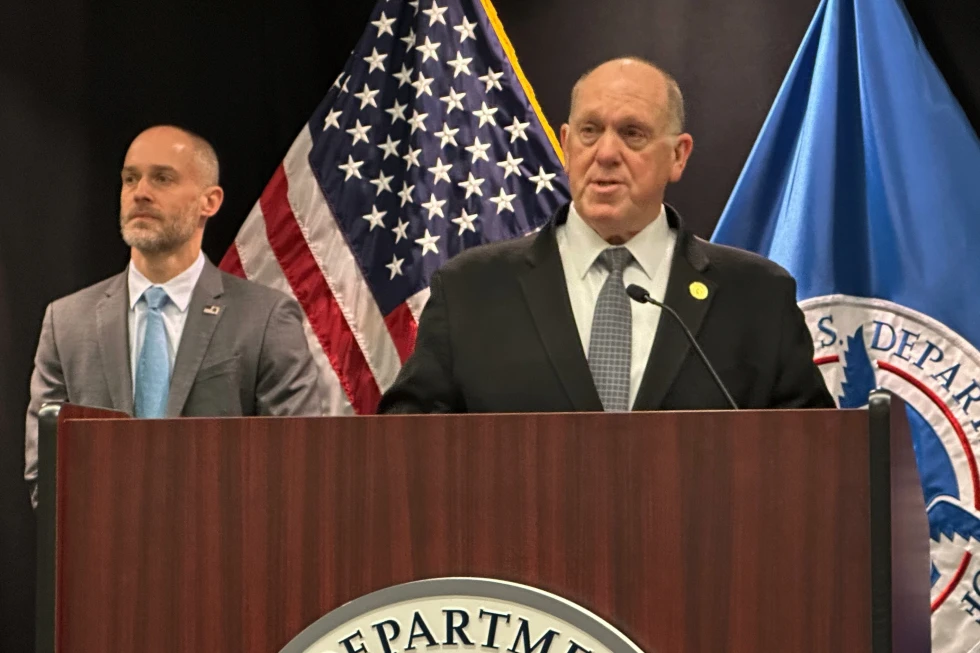
According to Homeland Security Secretary Kristi Noem, the driver – 37-year-old Renee Good – was to blame. As she drove away from ICE officers, she 'weaponised her car' in a 'domestic terror attack', Noem said.
President Donald Trump, in a Truth Social post, blamed a 'professional agitator' and a 'radical left movement of violence and hate'.
National Democrats and state and local officials in Minnesota have painted a completely different picture. Jacob Frey, the Democratic Mayor of Minneapolis, said a federal agent 'recklessly' used lethal force. He also issued an expletive-laced demand for immigration enforcement officials to leave the city. Minnesota Governor Tim Walz called the shooting 'totally predictable' and 'totally avoidable', arguing it was a direct consequence of the surge in federal immigration officers into Minneapolis and surrounding areas in recent days.
This clear division between the federal government and local officials was only further illustrated on Thursday morning, when the Minnesota Bureau of Criminal Apprehension announced that the justice department and the FBI were no longer cooperating with its investigation into the shooting. Federal agencies, it said, would be solely responsible for handling the investigation into the use of lethal force by the ICE agent.
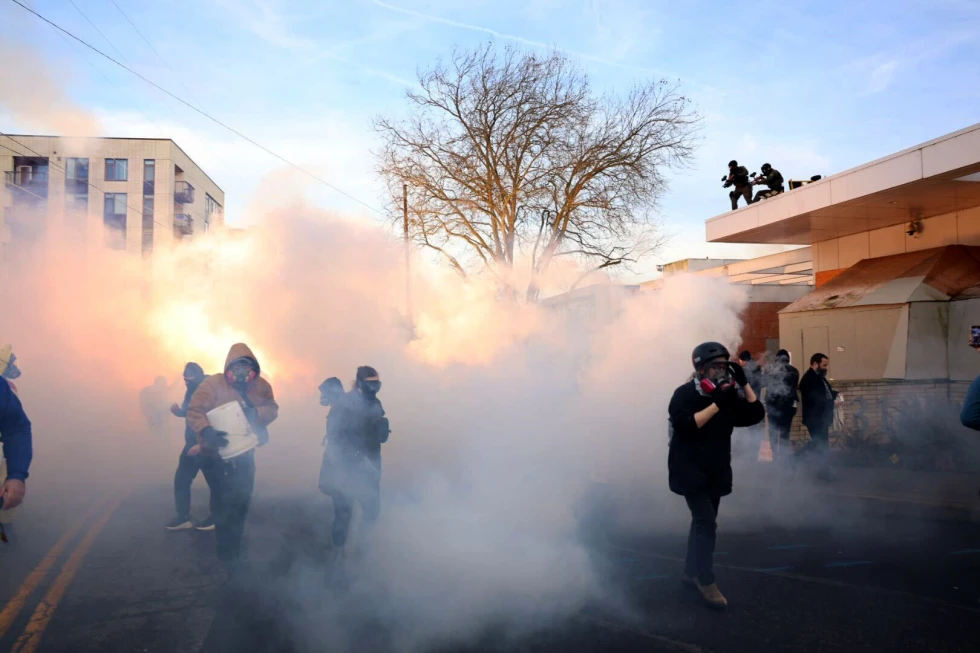
The surge in immigration enforcement in the state is just the latest example of the Trump administration using federal officials to target communities suspected of having high rates of undocumented migrants. The use of force during this operation is far from an isolated incident, either.
According to the New York Times, the Minnesota incident was at least the ninth immigration-enforcement-related shooting since September – all involving individuals who were targeted while in their vehicles.
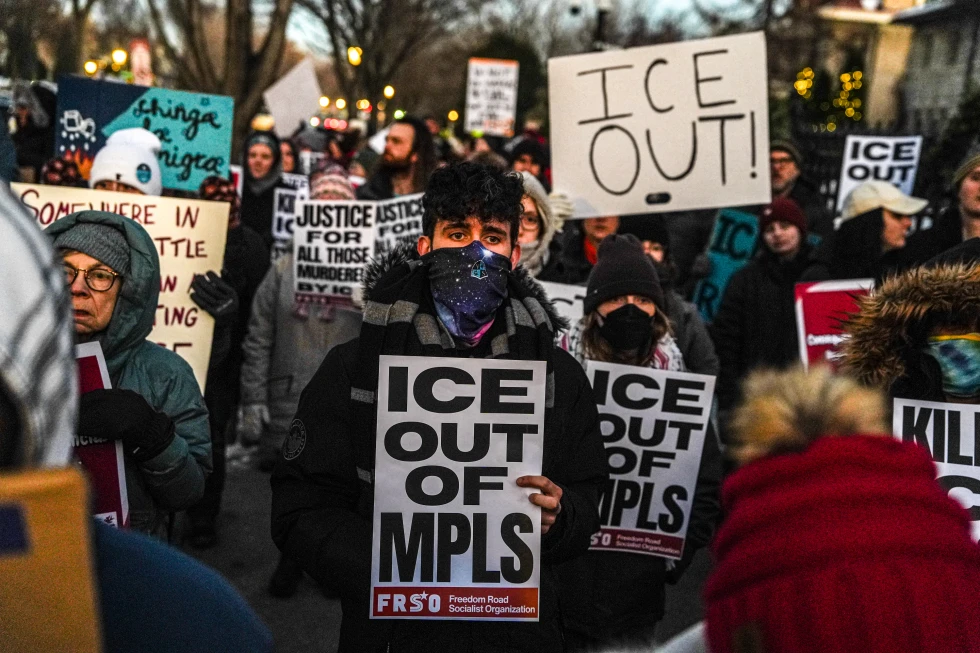
While officials supporting the operation have cited a mandate from voters to enforce immigration laws, local officials and protesters are increasingly calling for accountability and oversight amid fears of violence and overreach.
As the situation develops, Minnesota's role in this national debate over immigration enforcement remains crucial, drawing attention to broader questions surrounding law enforcement practices and community safety.