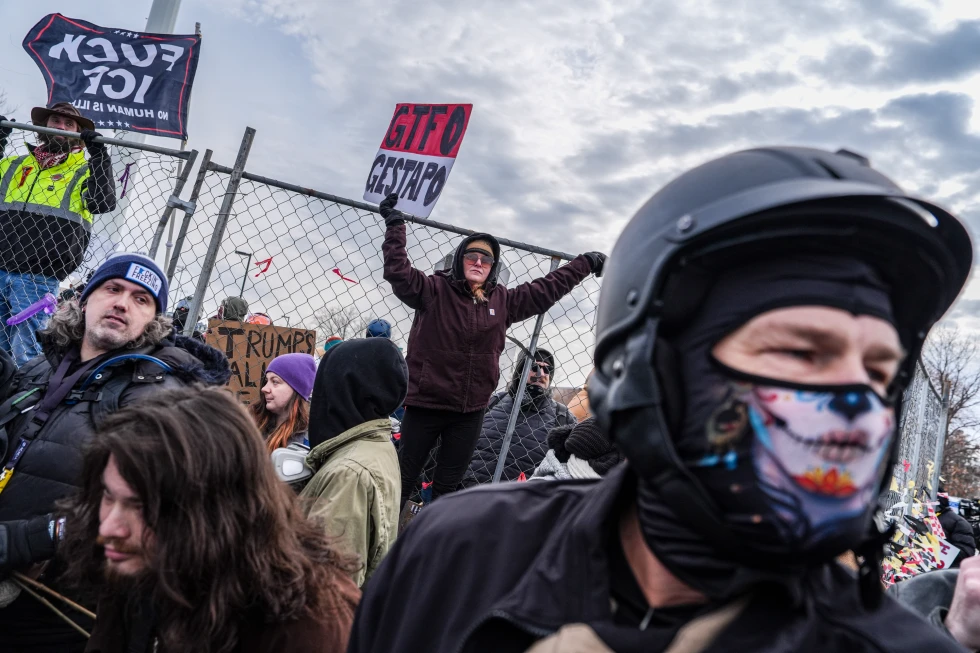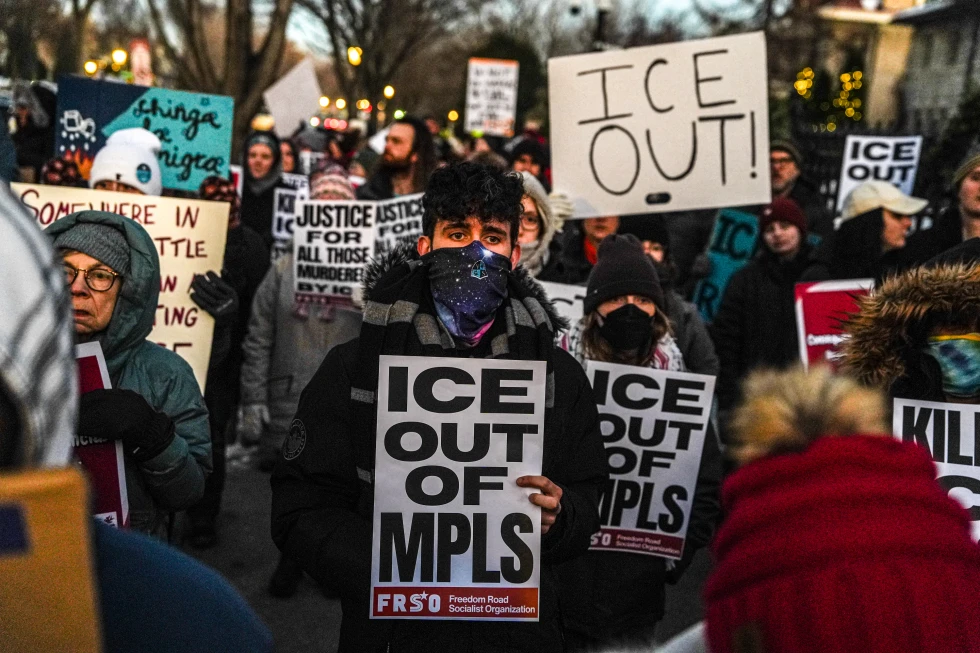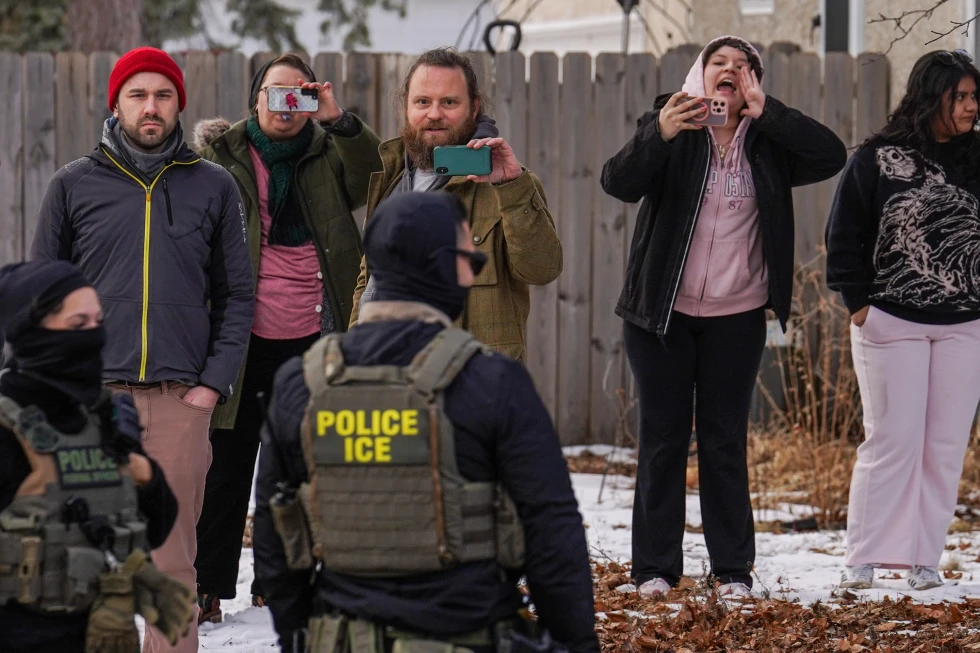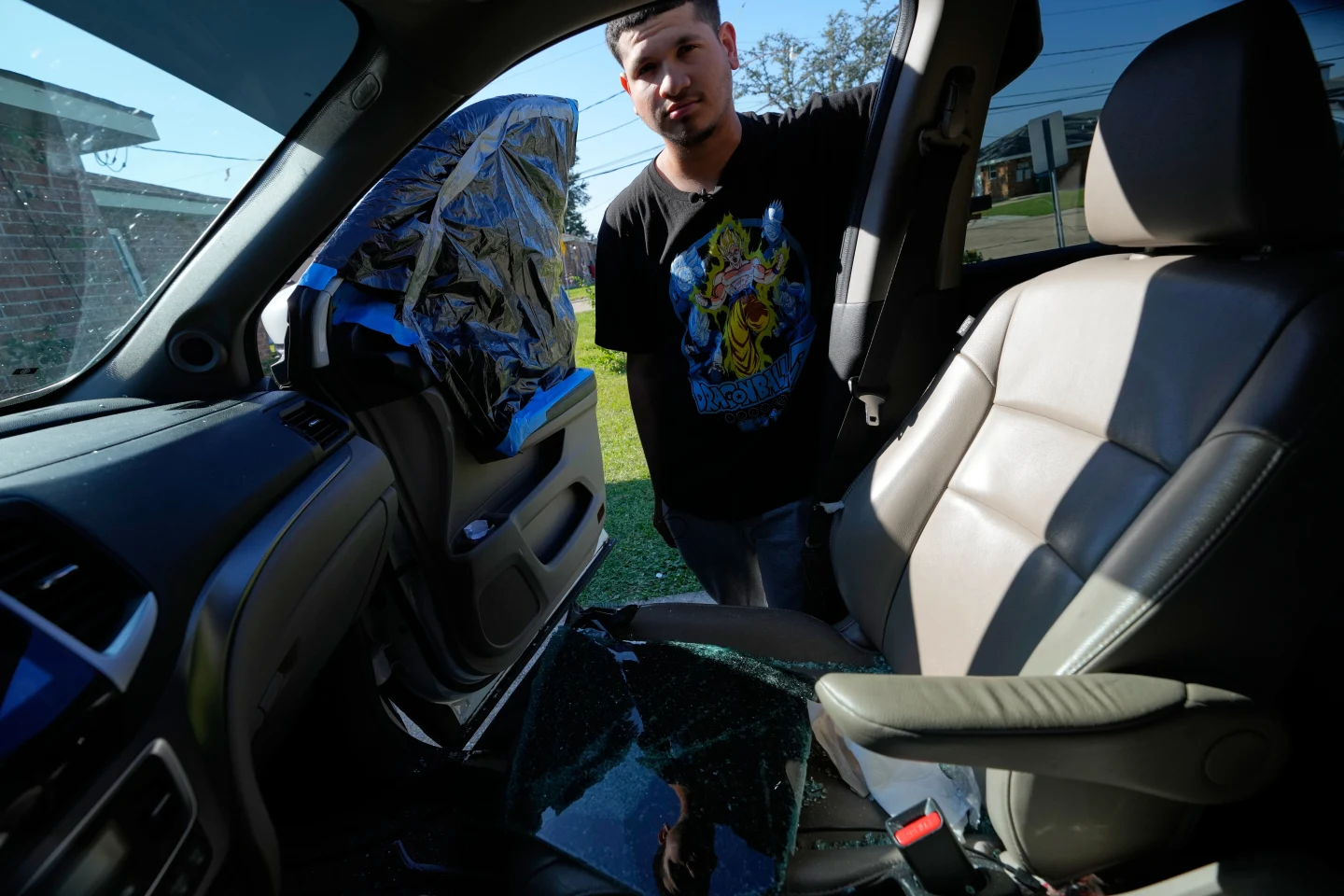
Vilma Cruz, a 38-year-old house painter from Honduras, was unexpectedly detained by federal agents just after arriving at her new home in Kenner, Louisiana, leaving her son, 18-year-old Jonathan Escalante, responsible for caring for his younger sister with a disability. This event is part of a broader immigration enforcement operation dubbed 'Catahoula Crunch', which has seen over 250 arrests across southeast Louisiana but has raised questions about its real objectives and the collateral damage on families.
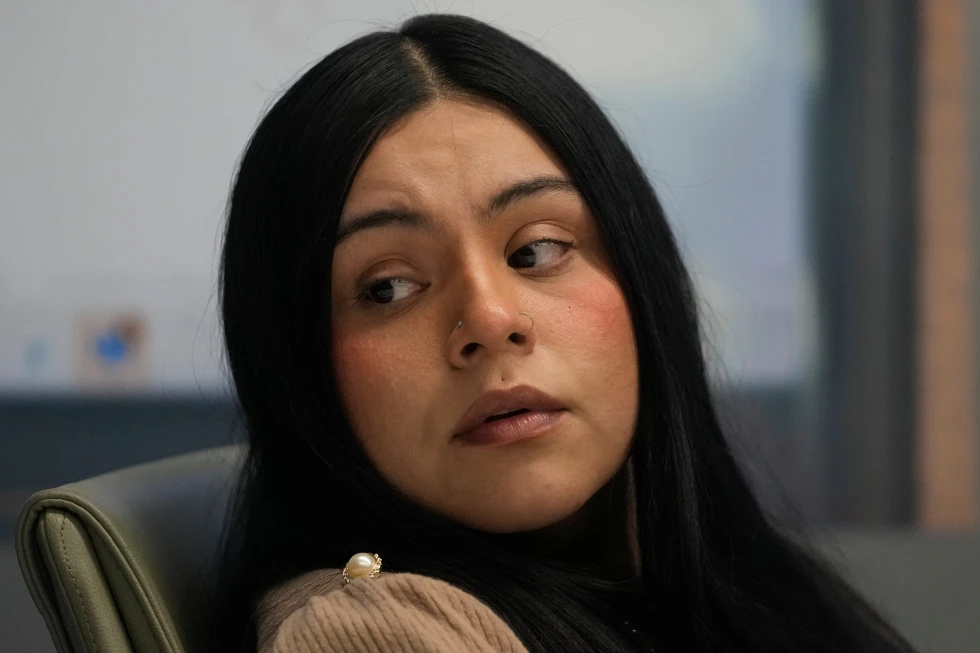
Jonathan now faces the daunting task of accessing his mother’s bank accounts, finding medical records, and managing household responsibilities in her absence. “Honestly I’m not ready,” he said, expressing his fears but unwilling to abandon his new role. The operations have struck fear among families, prompting them to make emergency custody plans amid anxiety about potential deportations.
Even Louisiana's Lt. Governor, Billy Nungesser, criticized the crackdown for its potential economic impacts, suggesting that even lawful immigrants are avoiding work due to fear of deportation. The Department of Homeland Security (DHS) claims the intention is to remove violent offenders, yet many detained reportedly had no criminal histories, leading to allegations of racial profiling.
Cruz’s detention was reportedly a result of her allegedly locking herself in her vehicle, a fact contested by family members who claim she was not involved in criminal activities. Police Chief Keith Conley has supported the operation, stating that it aims to improve community safety by targeting illegal activities tied to immigrant populations.
Meanwhile, other families, like that of Jose Reyes, who was also arrested recently, are struggling to maintain stability. Reyes is the primary breadwinner for his family, and his detention leaves them scrambling for financial support and emotional stability. Advocacy groups report a surge in families seeking assistance, with community leaders urging for more understanding of the human aspect of immigration enforcement.
Amid these challenges, teenagers like Jonathan and Jose’s daughter, Heylin Leonor Reyes, are left to shoulder adult responsibilities, dealing with the immediate fallout of their parents’ detentions while managing everyday life in uncertain circumstances. As community members continue to grapple with the implications of these operations, the debate over immigration policy remains heated, reflecting deep divisions over how to address lawfulness and community safety.
Jonathan now faces the daunting task of accessing his mother’s bank accounts, finding medical records, and managing household responsibilities in her absence. “Honestly I’m not ready,” he said, expressing his fears but unwilling to abandon his new role. The operations have struck fear among families, prompting them to make emergency custody plans amid anxiety about potential deportations.
Even Louisiana's Lt. Governor, Billy Nungesser, criticized the crackdown for its potential economic impacts, suggesting that even lawful immigrants are avoiding work due to fear of deportation. The Department of Homeland Security (DHS) claims the intention is to remove violent offenders, yet many detained reportedly had no criminal histories, leading to allegations of racial profiling.
Cruz’s detention was reportedly a result of her allegedly locking herself in her vehicle, a fact contested by family members who claim she was not involved in criminal activities. Police Chief Keith Conley has supported the operation, stating that it aims to improve community safety by targeting illegal activities tied to immigrant populations.
Meanwhile, other families, like that of Jose Reyes, who was also arrested recently, are struggling to maintain stability. Reyes is the primary breadwinner for his family, and his detention leaves them scrambling for financial support and emotional stability. Advocacy groups report a surge in families seeking assistance, with community leaders urging for more understanding of the human aspect of immigration enforcement.
Amid these challenges, teenagers like Jonathan and Jose’s daughter, Heylin Leonor Reyes, are left to shoulder adult responsibilities, dealing with the immediate fallout of their parents’ detentions while managing everyday life in uncertain circumstances. As community members continue to grapple with the implications of these operations, the debate over immigration policy remains heated, reflecting deep divisions over how to address lawfulness and community safety.