Bridge destroyed, lives at risk
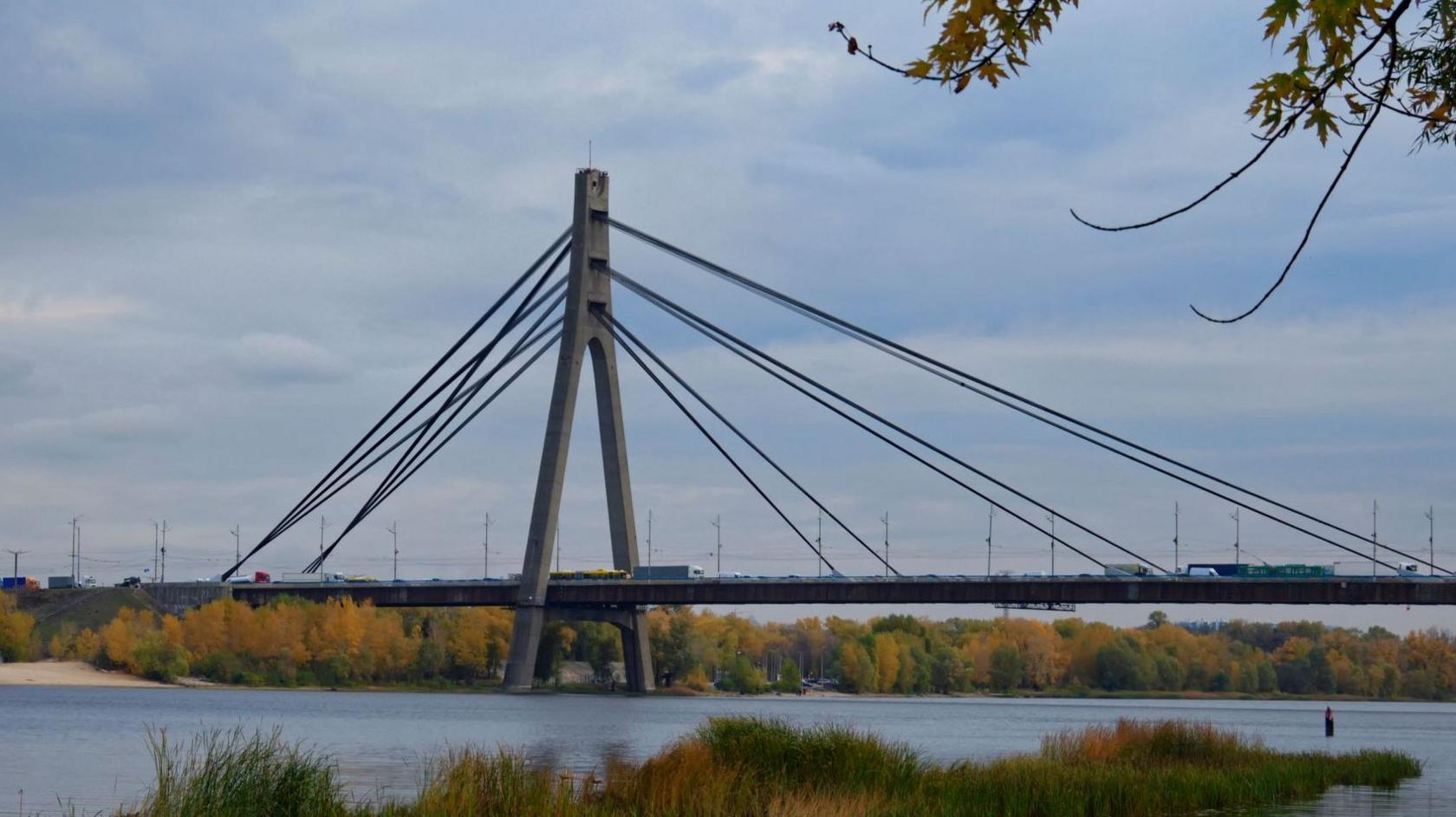
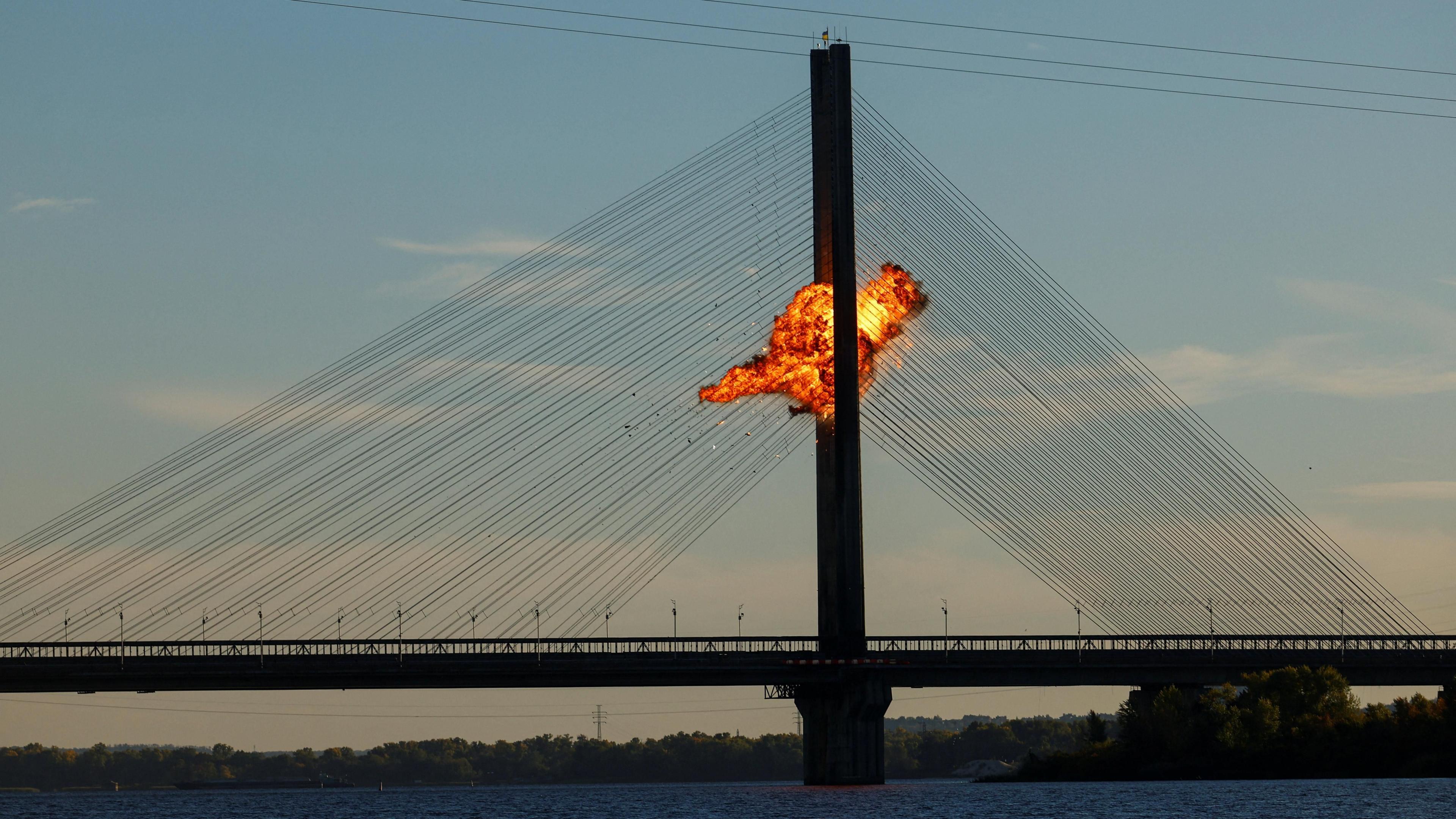
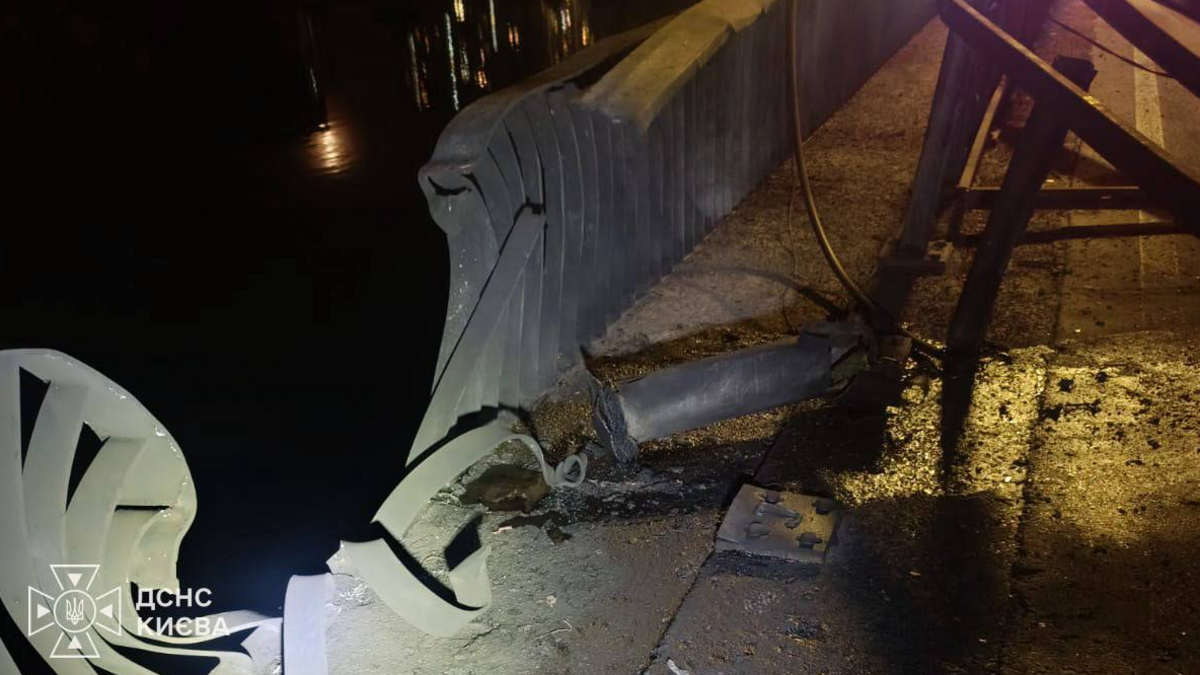
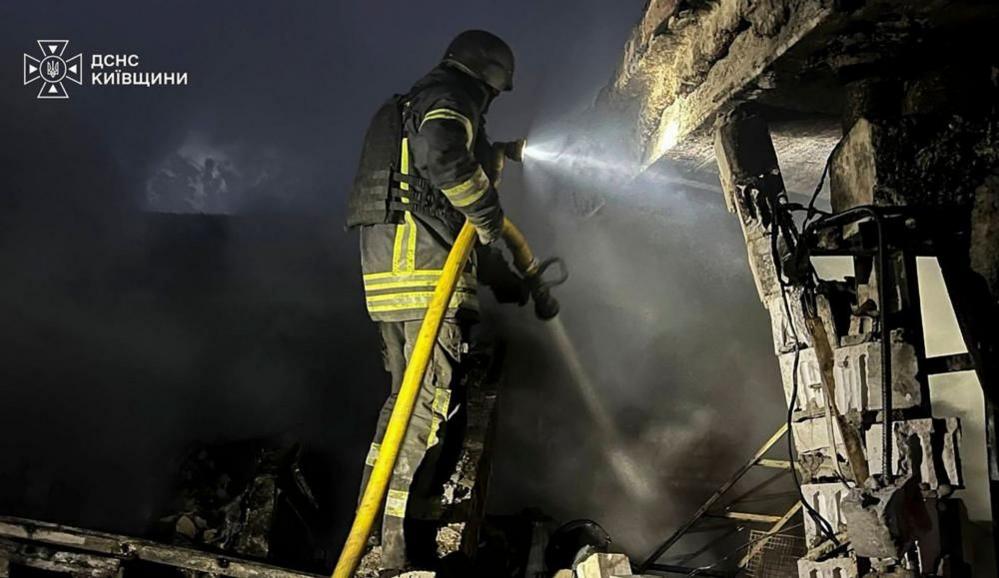
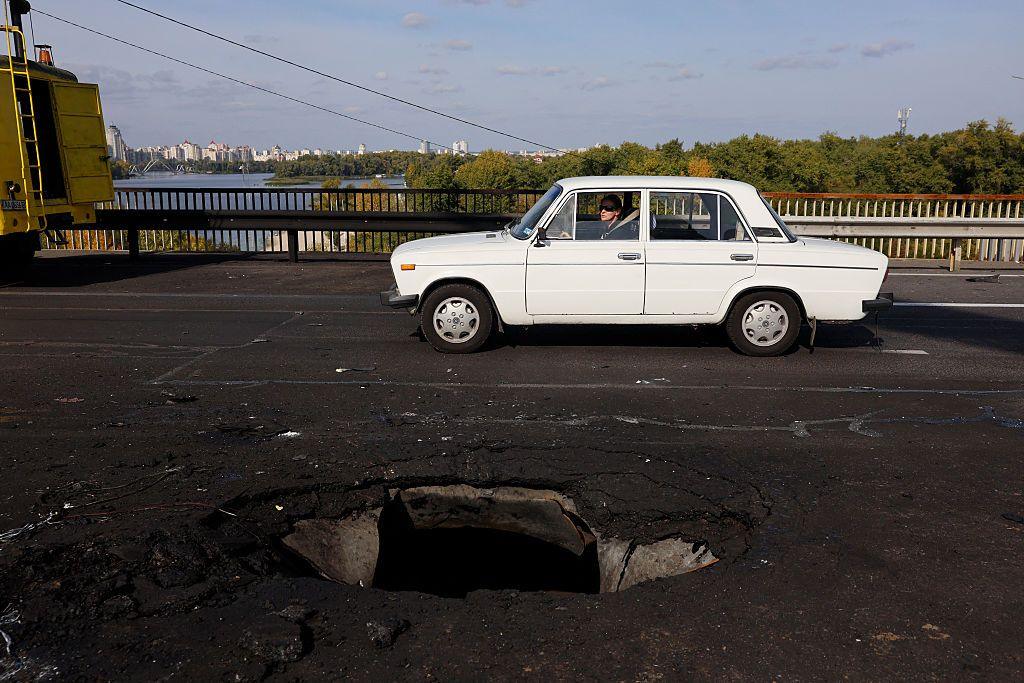
A Russian drone struck the Pivnichnyi Bridge in Kyiv on Sunday morning, creating a large hole in one traffic lane and igniting a fireball that exploded on the surface. Two people were injured when the drone burst into the bridge’s concrete and a plume of black smoke rose above the river. Earlier in the week, Moscow’s drone attacks had also damaged the Pivdennyi Bridge and a heating main, disrupting water supply in the Desnyanskyi district.
An international visit amid conflict
At the same time that the strike unfolded, German Chancellor Friedrich Merz arrived in Kyiv on a surprise diplomatic trip. He met President Volodymyr Zelenskyo at the damaged National Academy of Sciences building and laid wreaths for fallen Ukrainian soldiers. Merz announced a new aid package worth more than €1.3 billion, including weapons and energy‑sector support for the coming winter.
Strategic and political ramifications
The repeated bridge attacks highlight Moscow’s strategy to cripple Ukraine’s logistics and morale. Kyiv officials warned that continued strikes could force closures, leading to traffic gridlock and long‑term structural damage. Meanwhile, the German visit signals ongoing Western backing, with Germany becoming the largest donor to Ukraine since Chancellor Merz took office. The Kremlin has vowed to intensify its own strikes in response to Ukrainian advances and the international support shown in Kyiv.
Local impact and future plans
Around 500,000 vehicles use Kyiv’s eight bridges daily, and any closure threatens citywide commutes. Repair teams are working on temporary solutions such as pontoon bridges, ferries, and proposals for a tunnel under the Dnipro. The city’s mayor, Vitali Klitschko, described the situation as “very dramatic” and urged continued international assistance to maintain city infrastructure.