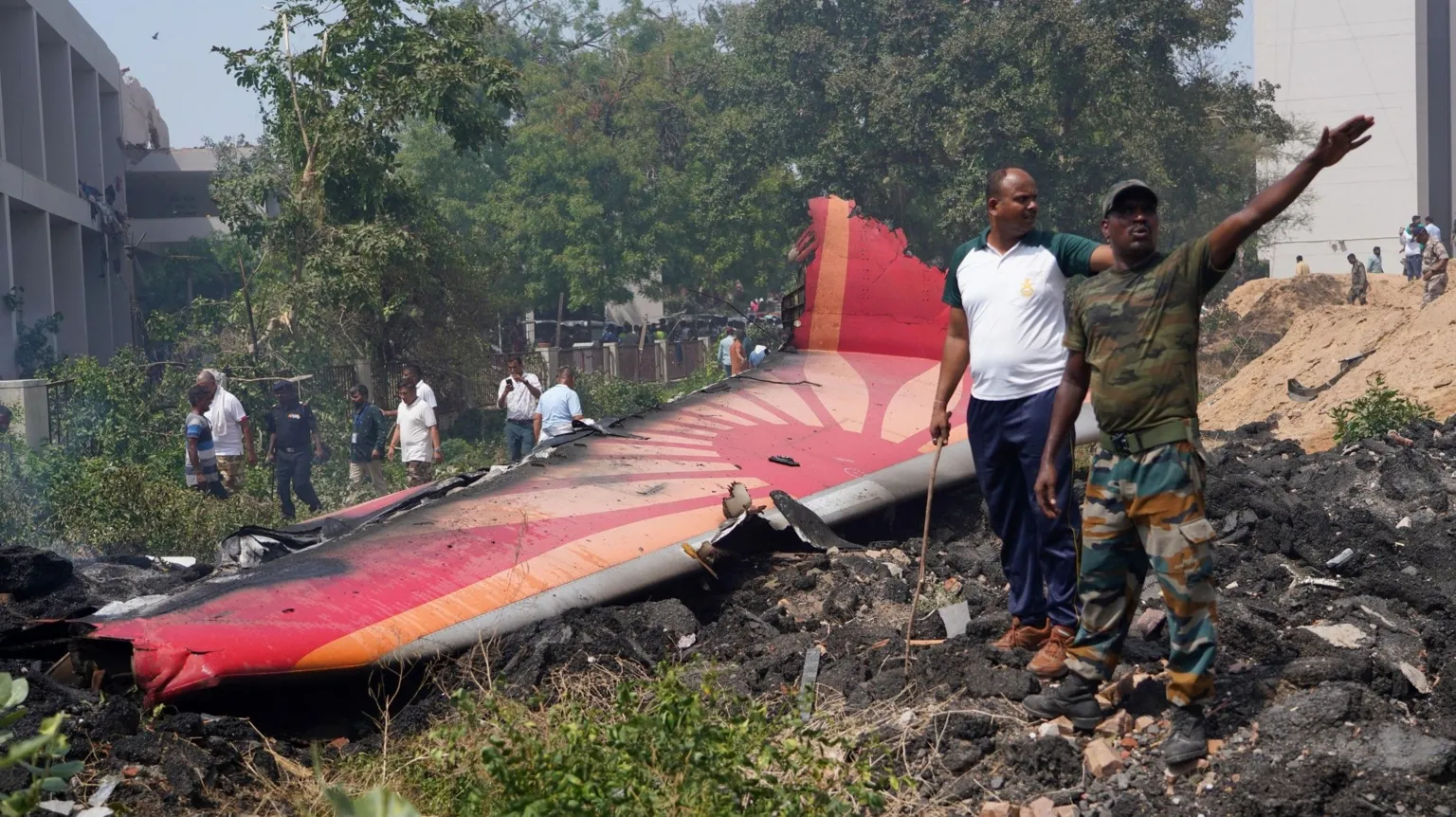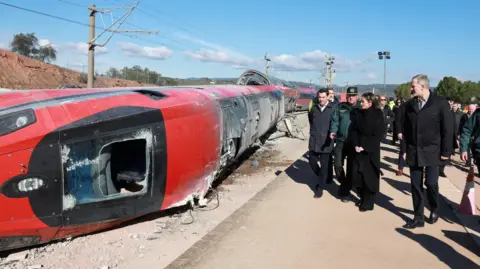
Sunday's high-speed train crash in southern Spain, the worst in over a decade, has been a devastating tragedy for the country with the loss of at least 42 lives. Many are asking what could have caused such a failure on one of Europe's most admired rail systems.
The CIAF rail investigatory commission has begun analyzing why a train traveling north from Málaga was derailed on a straight section of the route, eventually colliding with an oncoming train. The Spanish government characterized the incident as extremely strange. Three bodies were recovered from the wreckage, with the latest victim's discovery marking the total casualties at 42.
This event has sent shockwaves through Adamuz, a town previously known for its tranquility, leading residents to question how such an efficient rail route could suffer a failure of this magnitude. Spain's high-speed rail network, inaugurated in 1992 and a hallmark of modernization funded by the EU, has earned a reputation for being fast and safe.
Equally concerning, the President of Renfe, Spain's national rail operator, assured that human error was unlikely responsible due to the trains not operating at excessive speeds. Interior Minister Fernando Grande-Marlaska dismissed the possibility of sabotage.
Investigators are now focusing on the train involved, manufactured in 2022 and owned by the Italian firm Iryo. Key examinations will center on carriage number six, the first to derail, which might reveal crucial clues for understanding the root cause of this catastrophe.
However, attention also turns to the track where the derailment occurred. Reports suggest that a segment of the track was broken, which some speculate may have contributed to the incident. Yet, government officials caution against jumping to conclusions, referencing the possibility that the collision may have worsened any pre-existing damage.
Over the past year, the rail infrastructure administrator, Adif, identified multiple technical issues on this route, primarily linked to signaling. These findings have led to public and governmental scrutiny surrounding the overall condition of the high-speed rail network.
The crash has reignited discussions regarding the need for upgrades and renovations to Spain's rail infrastructure. Prime Minister Pedro Sánchez stressed the commitment to full transparency during the investigation, emphasizing the potential repercussions of the findings on the future of Spain's rail system.
The agony and questions faced by those impacted by the tragedy underscore the urgency for safety assurances and infrastructure integrity in the wake of this heartbreaking event.