In brief
This article examines the gradual decline of Iran's authoritarian regime, analyzing the protests, economic pressures, and the steadfast loyalty of security forces. While many hope for a sudden collapse similar to other historical regimes, the current situation suggests that significant changes are still on the horizon. The piece discusses the prospects of further unrest, the political dynamics involved, and the factors that keep the regime in power despite widespread dissatisfaction.
How does an authoritarian regime die? As Ernest Hemingway famously said about going broke – gradually then suddenly.
The protesters in Iran and their supporters abroad were hoping that the Islamic regime in Tehran was at the suddenly stage. The signs are, if it is dying, it is still at gradual.
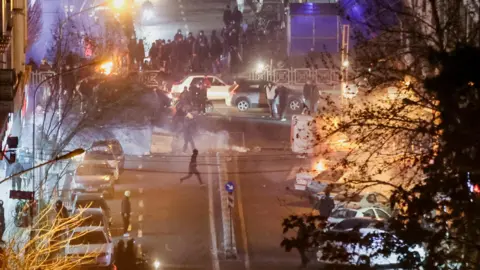
The last two weeks of unrest add up to a big crisis for the regime. Iranian anger and frustration have exploded into the streets before, but the latest explosion comes on top of all the military blows inflicted on Iran in the last two years by the US and Israel.
More significant for hard-pressed Iranians struggling to feed their families has been the impact of sanctions. The latest blow for the Iranian economy was when all the UN sanctions lifted under the now dead 2015 nuclear deal were reimposed by the UK, Germany, and France in September. In 2025, food price inflation was more than 70%. The currency, the rial, reached a record low in December.
While the Iranian regime is under huge pressure, the evidence is that it's not about to die. Crucially, the security forces remain loyal. Since the Islamic revolution in 1979, the Iranian authorities have spent time and money creating an elaborate and ruthless network of coercion and repression.
The IRGC, Iran's primary military force, has approximately 150,000 personnel and plays a crucial role in defending the regime's ideology. Additionally, their auxiliary force, the Basij militia, consists of hundreds of thousands of volunteers who are frontline enforcers against protests.
A potent mix of power, money, corruption, and ideology compels the IRGC to maintain the status quo. Observations from previous protests reveal how swiftly the regime can suppress dissent.
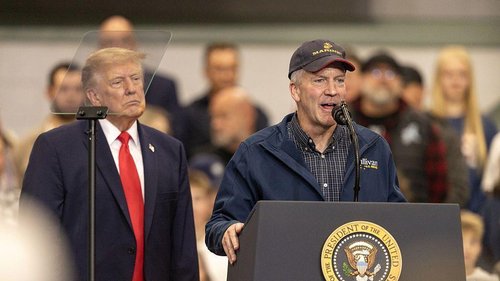
The seeming resilience of the internal security forces does not mean that the supreme leader or his lieutenants can or will relax. US President Trump continues to threaten sanctions, and the millions of Iranians who want the regime's fall are filled with resentment.
Government efforts to negotiate with the US amid this backdrop suggest an attempt to alleviate some pressure. However, achieving a comprehensive agreement on nuclear and missile issues remains a daunting challenge.
Historical parallels with other authoritarian regimes can provide insights into the current situation, highlighting that the trajectory of decay could shift from gradual to sudden, but as it currently stands, the Iranian regime is not yet at that tipping point.