CHICAGO (Neutralecho) — The legal ordeal of Juan Espinoza Martinez, a 37-year-old carpenter accused of leveraging social media to place a $10,000 bounty on a high-ranking Border Patrol official, has culminated in a federal jury's deliberation. This trial marks a pivotal moment in the ongoing discussion surrounding U.S. immigration practices and the reactions they provoke in local communities.
Charged with murder-for-hire, Espinoza’s case unfolds against the backdrop of intensified federal immigration actions, primarily during the Trump administration. Testimonies in court have unfolded rather rapidly, with the bulk of the evidence relying on Snapchat messages sent to Espinoza's brother and a government informant detailing the alleged bounty.
Prosecutors have characterized these messages, particularly one asserting, 10k if u take him down, as clear indications of a serious intent. First Assistant U.S. Attorney Jason Yonan asserted, Those words do not indicate that this was a joke. They are not innocent and harmless words.”
However, the defense posits that the messages were in jest, referring to neighborhood banter made over beers after a day’s work. Espinoza's attorney, Dena Singer, stated, “Sending a message about gossip that you heard in the neighborhood, it’s not murder for hire. It’s not a federal crime.” They argue that the lack of follow-up on the messages and his limited financial resources undermine any notion of a genuine plot against the official, a sentiment echoed by Espinoza himself during a police interview where he claimed confusion regarding the charges.
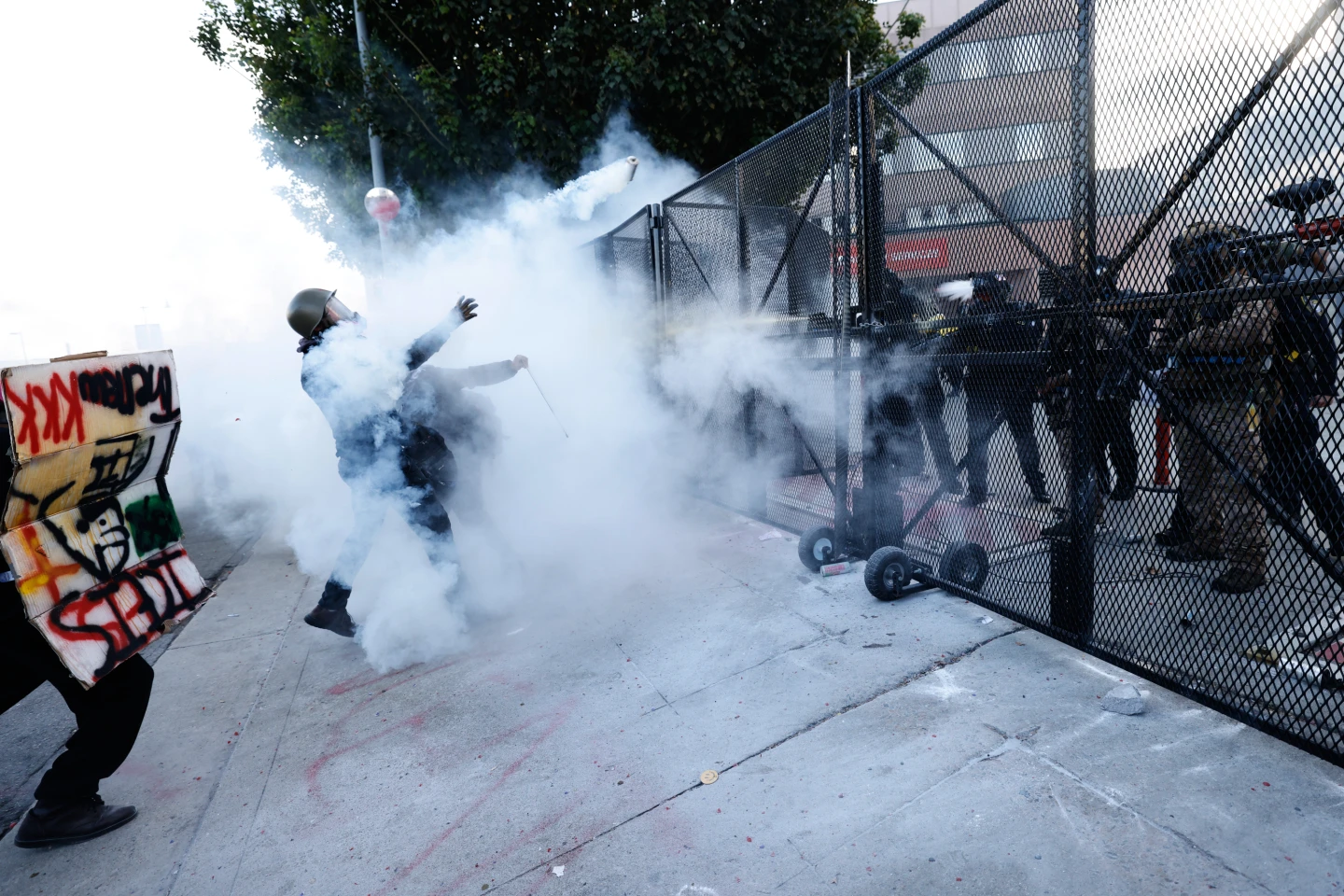
The case also highlights the fraught relationship between law enforcement and immigrant communities in Chicago, particularly in heavily Mexican neighborhoods like Little Village, where Espinoza resides. As the trial unfolds, various testimonies reveal tension surrounding an immigration crackdown that has seen protests and a rise in arrests this past year.
If convicted, Espinoza could face a maximum of 10 years in prison, yet the broader implications stretch beyond his fate, calling into question the operational methods of federal immigration enforcement and the ramifications of criminal charges on local residents.
The outcome of this trial remains awaited, as advocates and critics alike scrutinize the justice system's handling of immigration-related offenses against the backdrop of a community that feels increasingly alienated by federal policies.