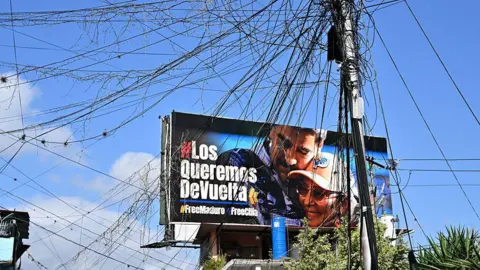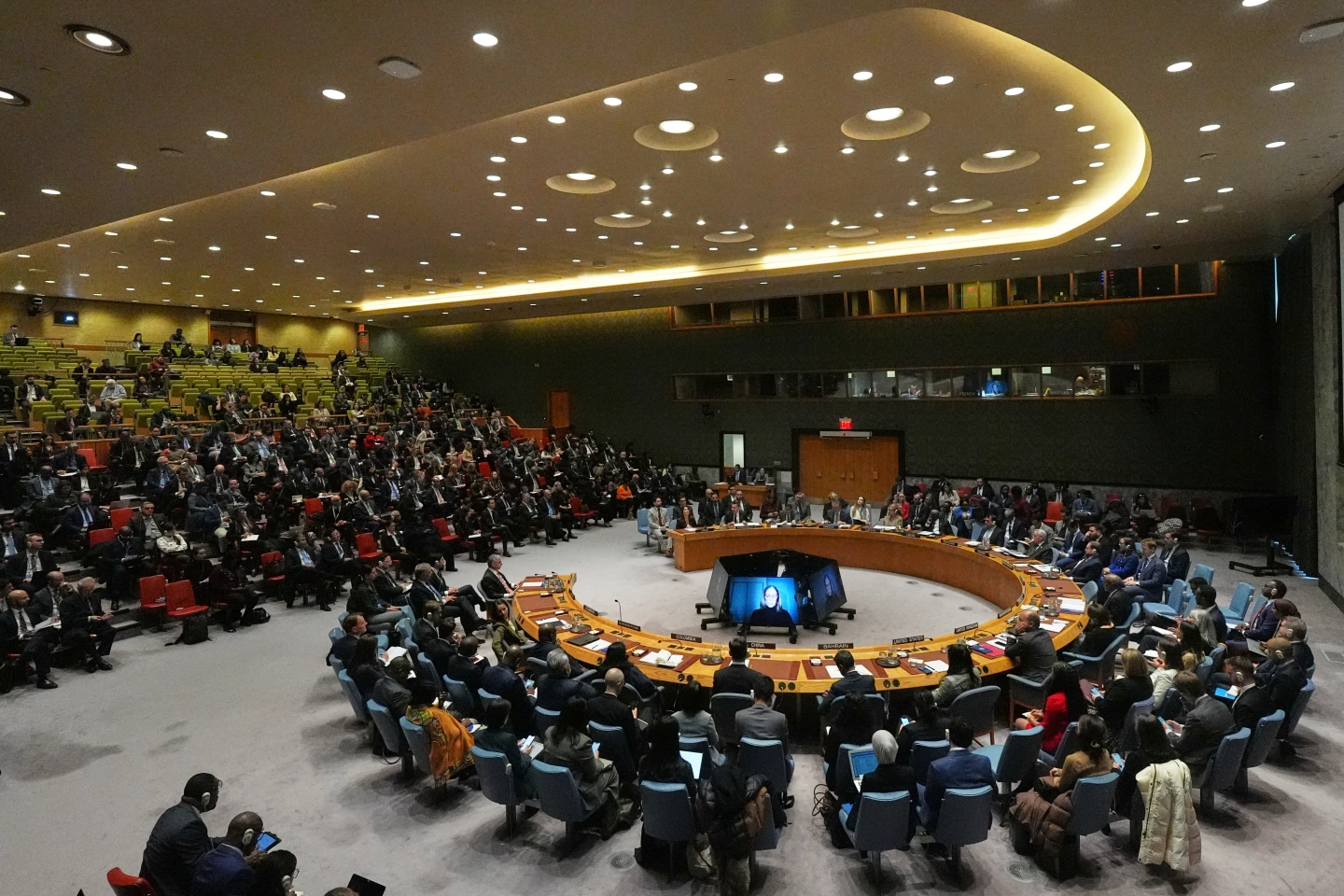
UNITED NATIONS (AP) — An emergency meeting of the U.N. Security Council was convened on Monday in response to a bold military operation undertaken by the United States in Venezuela which resulted in the capture of its leader, Nicolás Maduro. This operation has drawn sharp critiques, including concerns from the U.N. Secretary-General Antonio Guterres about potential violations of international law.
In the wake of the military action, both allies and adversaries of the U.S. voiced strong opposition during the Security Council meeting. President Trump's signaling of potential military action against other Latin American nations, namely Colombia and Mexico, further fueled tensions, particularly concerning allegations of drug trafficking.
National representatives from various countries expressed their concerns, with Danish ambassador Christina Markus Lassen emphasizing that no nation should attempt to influence Venezuela's political outcomes through coercive measures. Colombian Ambassador Leonor Zalabata remarked that the raid was reminiscent of past intrusive acts in the region.
On the contrary, U.S. envoy Mike Waltz defended the military operation, framing it as a necessary law enforcement action against an alleged narco-terrorist. Waltz's comments highlighted a division in international perspectives, as he criticized members of the Security Council for what he deemed an unjust treatment of Maduro as a legitimate leader.
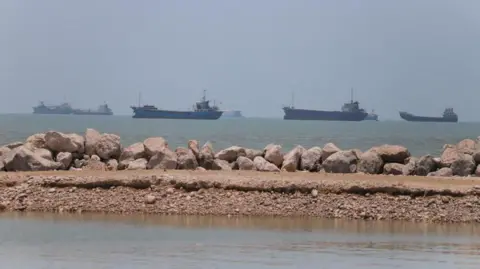
Maduro's recent capture has led to a heightened military presence off Venezuela’s coast and aimed at combating drug trafficking in Central America. The situation remains delicate as international reactions unfold, setting the stage for ongoing debates on sovereignty, legality, and intervention in state affairs.