WASHINGTON (AP) — Recent projections indicate that the U.S. population is set to grow by only 15 million over the next 30 years, according to the Congressional Budget Office (CBO). This figure is significantly smaller than previous estimates, reflecting the potential effects of President Donald Trump’s stringent immigration measures and the increasing age of the present population.
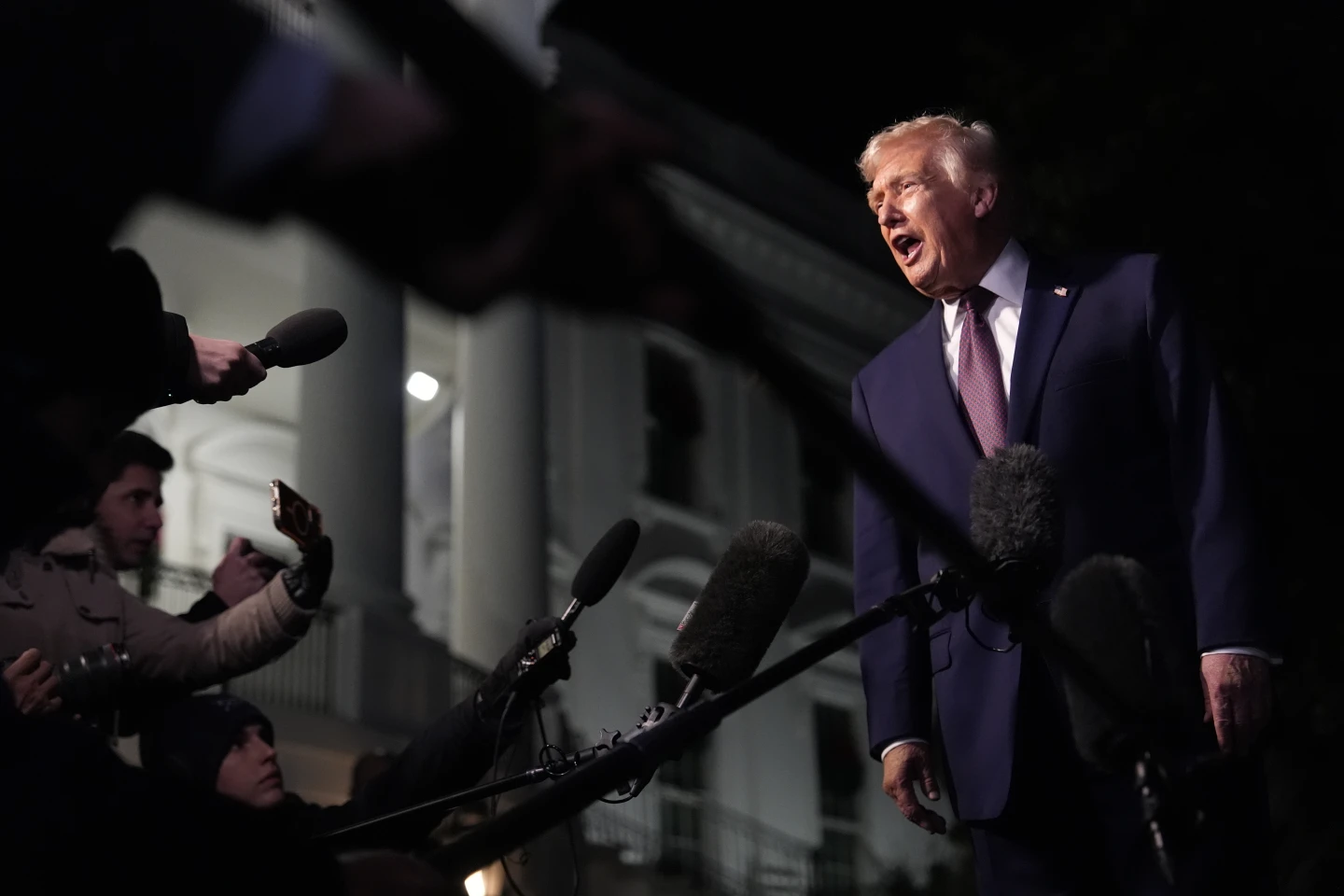
The CBO forecasts that the total U.S. population will reach 364 million by 2056, which is 2.2% smaller than what was predicted a year ago. Following Trump's emphasis on mass deportations, the CBO noted a forecasted reduction of approximately 320,000 immigrants over the next decade.
By 2056, the U.S. population is projected to stabilize or even stop growing, with natural decreases expected if immigration levels remain low. Experts suggest that the lack of new immigrants could lead to significant pressures on Social Security and Medicare systems as an aging population results in fewer taxpayers.
Demographer William Frey from the Brookings Institution referred to the situation as a “demographic shock”, warning that the reduced labor force and declining birth rates could substantially impact the economy and social support systems.
Specifically, the long-term decline in fertility rates below replacement levels indicates that fewer children will be born in the coming years, compounding the effects of restrictive immigration policies. The drop in labor force participation linked to immigration will add to the existing challenges of an aging population where all Baby Boomers are expected to be over 65 by the end of this decade.
Furthermore, Trump’s administration has implemented aggressive methods to enforce immigration control, which, according to economists and demographers, has further complicated growth predictions. As the CBO acknowledged, projections are inherently uncertain due to the unpredictable nature of immigration influxes.
Despite the anticipated demographic shifts, the nation will still face challenges in addressing the needs of a growing elderly population with fewer working-age individuals to support vital public services.