WASHINGTON (AP) — Secretary of State Marco Rubio suggested that the United States would not govern Venezuela on a day-to-day basis beyond enforcing an existing oil blockade on the country, following President Donald Trump’s announcement that the U.S. would be taking charge after Nicolás Maduro's ouster.
Rubio's remarks aimed to soothe concerns regarding the implications of U.S. intervention, contrasting Trump's broad statement that the U.S. would temporarily run the oil-rich nation. Rubio emphasized the intention to use the blockade as leverage for policy changes rather than establishing direct control over Venezuela.
As he explained on CBS’ “Face the Nation,” the oil blockade is already in place and serves as a significant tool to influence operations benefiting the Venezuelan populace and counteracting drug trafficking.
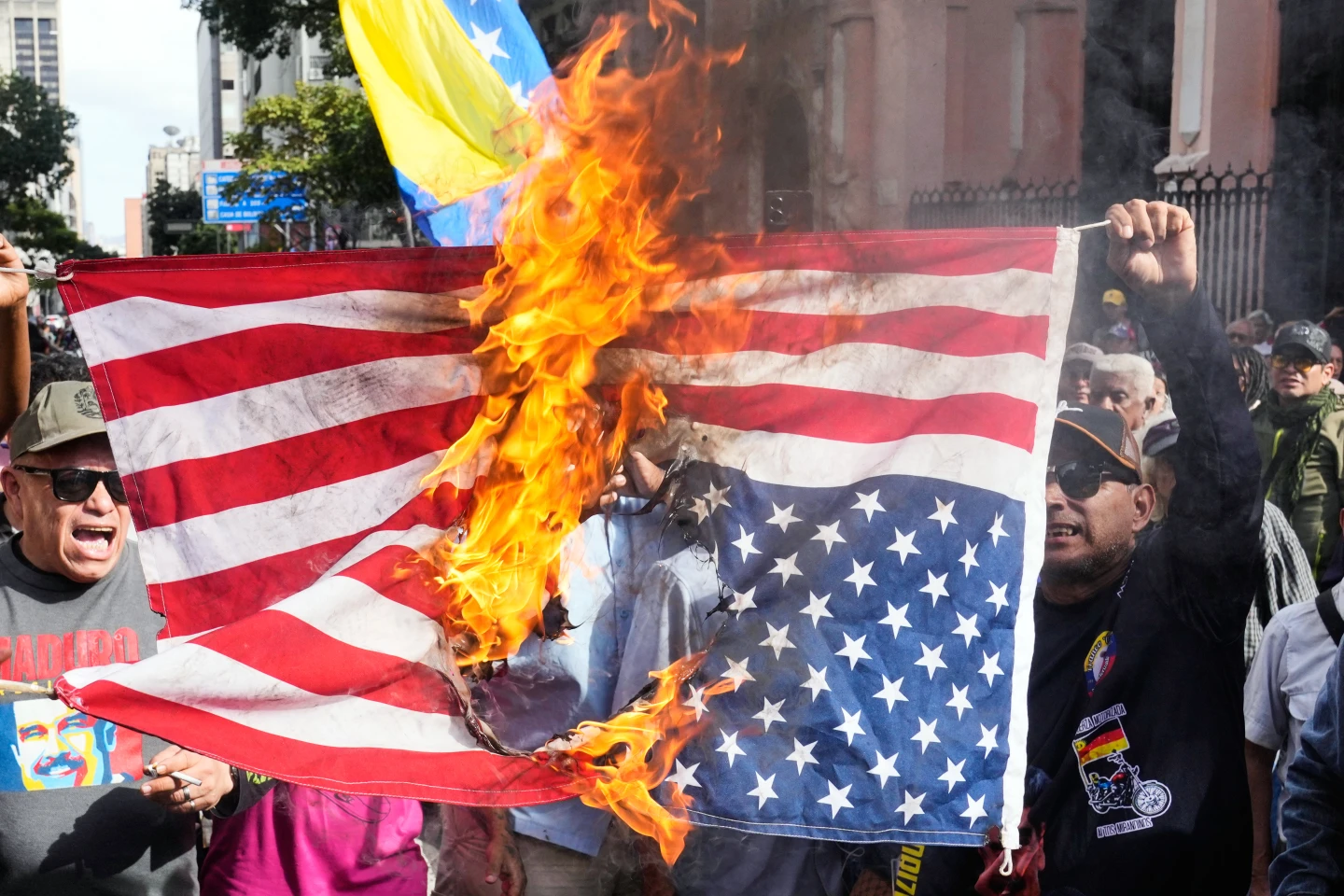
Venezuelan leadership has publicly responded by demanding the release of Maduro, while increasingly skeptical experts ponder the legality of the U.S. administration's aggressive tactics in Venezuela, including military actions that raise international law concerns.
Maduro’s Capture and U.S. Strategy
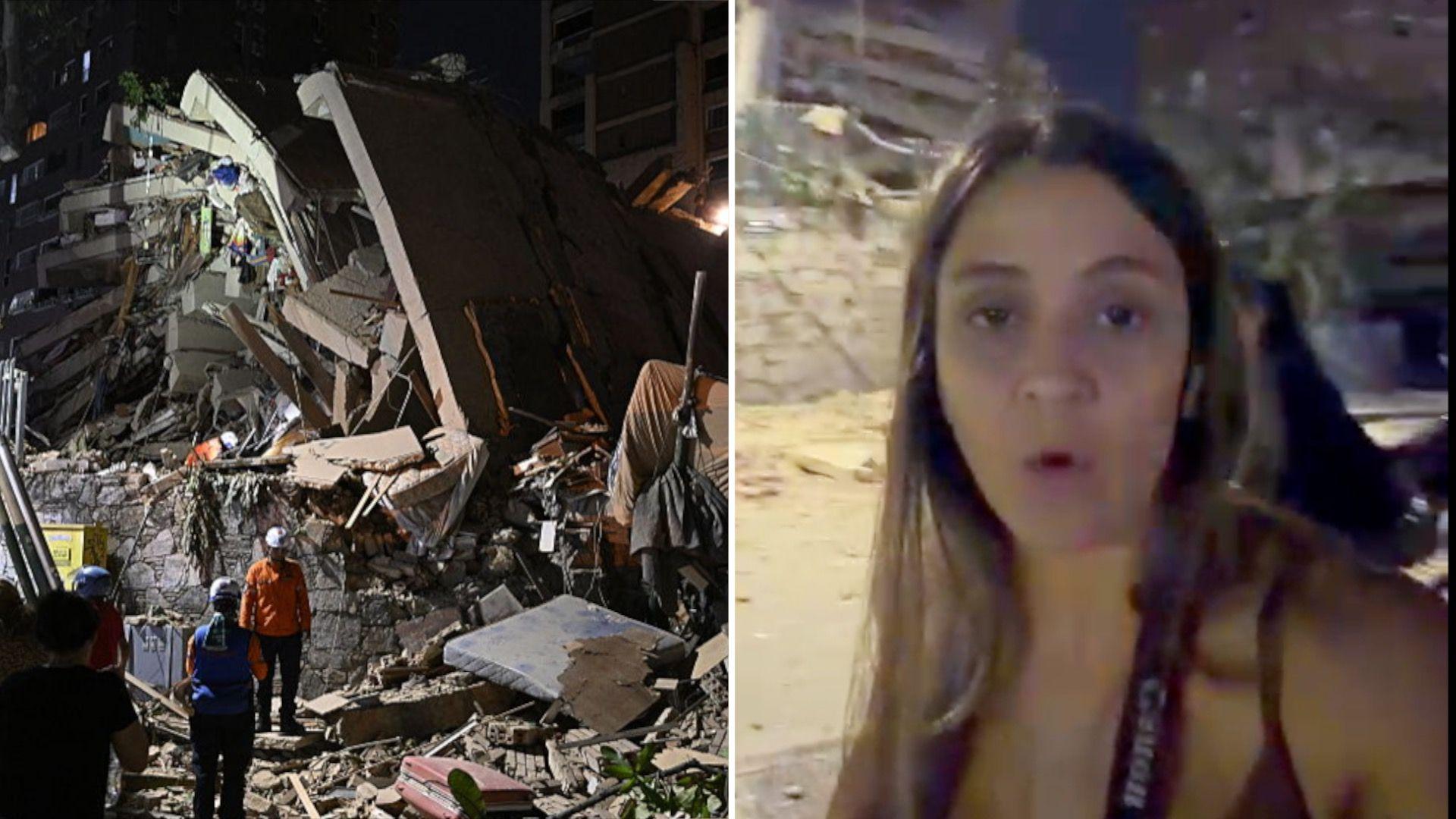
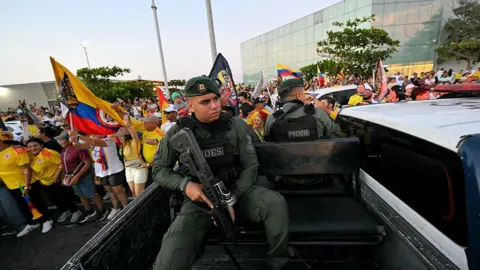
With Maduro now set to appear in court following his capture, tension escalates in Venezuela, where significant military presence is reported. There is a notable quietness within Caracas as residents react to the recent upheaval, with businesses remaining shuttered and public life at a standstill.
Venezuela's Vice President Delcy Rodriguez and defense officials label the operation as a “cowardly kidnapping,” underscoring the high stakes as they contest U.S. claims regarding governance. On the U.S. side, Trump reiterated a lack of need for troop deployment in Venezuela if cooperation aligns with U.S. expectations.
The evolving situation represents decades of strained U.S.-Venezuela relations exacerbated by ongoing conflict over leadership and governance in the region.