In brief
As Donald Trump assumes the presidency for a second time, the effects of his pardons on the convicted rioters from the January 6 Capitol siege continue to haunt Capitol Police officers like Aquilino Gonell. Officers have expressed frustration over the minimization of violence experienced that day, compounded by ongoing public and political polarization. Amid calls for understanding and support, former police officials highlight the need for better resources, acknowledging the lasting trauma and complex narratives surrounding the events of January 6.
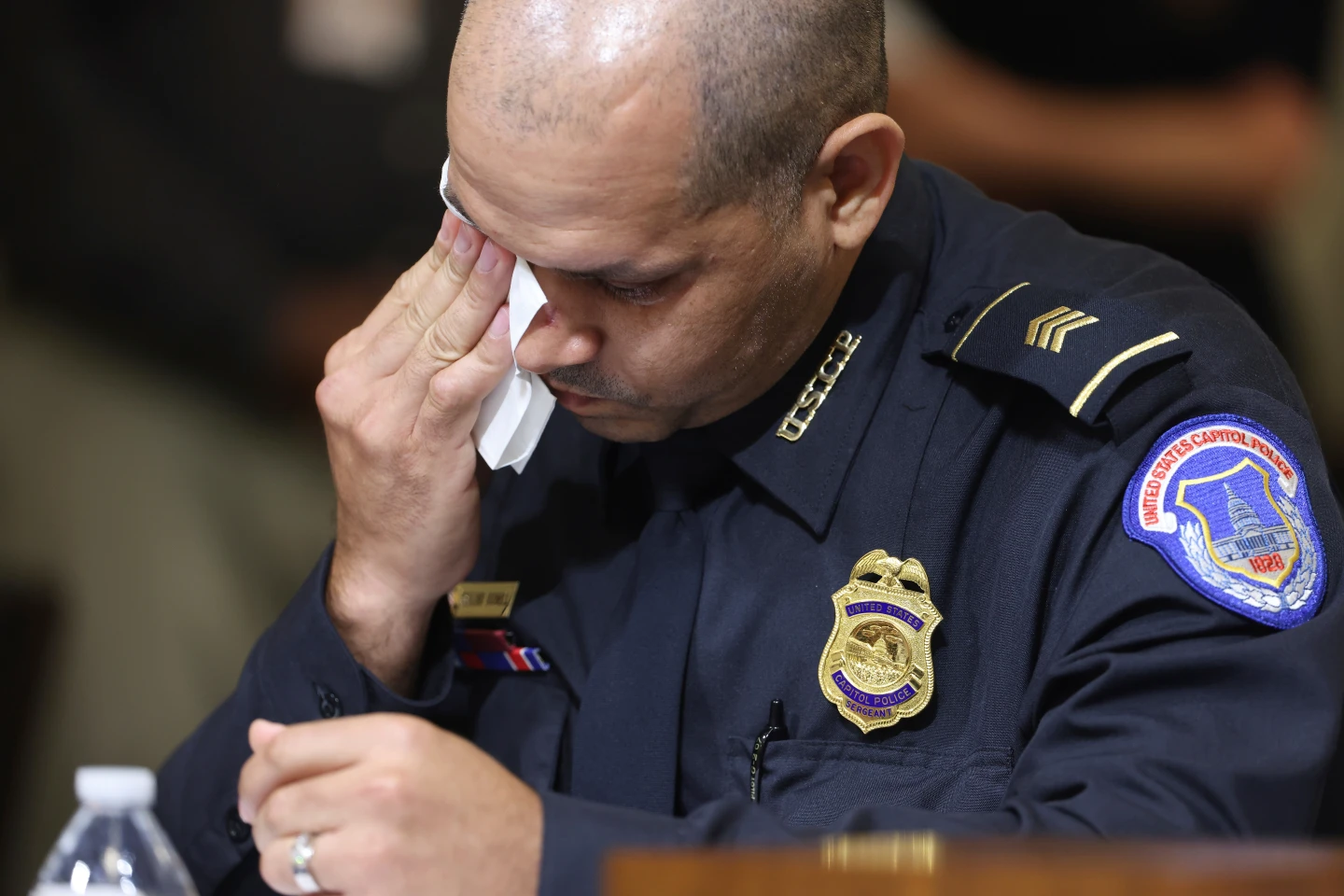
As Donald Trump was inaugurated for the second time on January 20, 2025, the chilling echoes of January 6, 2021, reverberated for those who defended the Capitol on that fateful day. Former Capitol Police Sergeant Aquilino Gonell, after an evening spent with family, received news that Trump had pardoned approximately 1,500 individuals convicted for their actions during the Capitol riot, including some who had directly harmed him.
“They told me that people I testified against were being released from prison,” said Gonell. “And to be mindful.”
That day, as rioters stormed the Capitol, Gonell was engaged in desperate battles to protect the building, struggling against the overwhelming tide of hostility. He recounted how he was dragged into a crowd, nearly suffocating while trying to protect democracy as Congress worked to certify Joe Biden’s election.
Months later, Trump’s actions have stirred complex emotions among the officers involved in that harrowing day. The pardons were seen by many as a severe blow to justice, particularly by those who suffered both physical and psychological injuries.
Five years after the siege, officers like Gonell and fellow officer Daniel Hodges are still grappling with the fallout. “It’s been a difficult year,” Hodges remarked, highlighting the ongoing struggles against a narrative that seeks to minimize the violence they endured.
According to reports, over 140 officers sustained injuries during the riot, amplifying their frustrations with the political discourse that is now often dismissive of their sacrifices.
“The hardest thing to deal with has been the effort by many to downplay the violence,” voiced Gonell, highlighting the evidence that speaks to the chaos of that day. Officers feel their experiences are challenged not only by political rhetoric but by friends and family who fail to appreciate the severity of events.
Former Capitol Police Chief Thomas Manger addressed these challenges, stating the need for improved police training and wellness services was paramount following the riot. He emphasized the need to provide thorough support to those who had faced the violence directly.
Despite these improvements, the mental toll persists. Gonell continues to cope with post-traumatic stress disorder related to January 6, and he has left the Capitol Police due to sustained injuries.
Many hushed voices rise against the backdrop of this complex narrative, as Gonell and his colleagues attempt to readjust to a society that justifies brutal acts as mere political missteps. “The real trauma and heartache ... I want to move past it,” shared Pingeon, another officer affected by the events, showcasing the deep emotional scars left by the insurrection.
While Gonell and others hope their stories reach a wider audience, they are also aware of the divide that remains. “The only thing I can do is tell my story, and hopefully the people who respect me will eventually listen,” Eveland, a former officer, concluded, emphasizing the importance of dialogue and understanding in a fractured political climate.