In brief
Recent diplomatic interactions concerning Ukraine highlight Russian President Vladimir Putin's reluctance to compromise, suggesting he believes Russia is in a strong position despite economic pressures. This article discusses insights from the talks, Putin's public statements, and the long-term implications of continued conflict.
The latest round of diplomacy related to the Ukraine conflict provides significant insight into Russian President Vladimir Putin's mindset and intentions. One clear takeaway is that he is not currently prepared to sign a peace deal, particularly not with the terms being discussed.
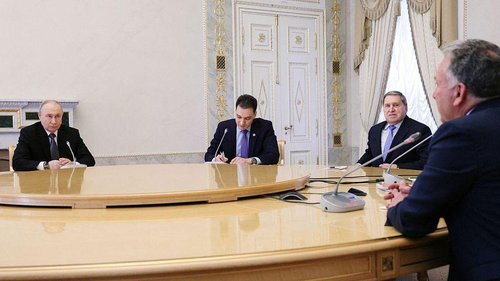
Kremlin foreign policy aide Yuri Ushakov made it evident after extensive discussions involving U.S. envoy Steve Witkoff and Jared Kushner, that a ‘no compromise version has yet been found.' This lack of progress aligns with Putin’s recent uncompromising rhetoric, in which he has labeled the Ukrainian government as a ‘thieving junta’ and accused European leaders of attempting to undermine peace efforts.
Russia's military strategy has been aggressively portrayed, with Putin often depicted in military fatigues and showcasing supposed successes on the battlefield, many of which contradict claims made by international observers and Ukraine.
Nearly four years into the conflict, despite Russia facing substantial battlefield losses and economic turmoil, Putin conveys confidence that he is prevailing, suggesting he believes this is not the right moment to halt military operations. He likely aims to project a sense of unstoppable momentum to the West and his adversaries.
Interestingly, while he presents an image of unwavering authority, economic realities loom large. Sanctions have taken their toll, leading to diminishing revenues from oil and gas and rising budget deficits, which Putin himself acknowledged as 'imbalances' in the economy. The pressing question remains: at what juncture will these escalating economic concerns start to influence the Kremlin’s strategies on the battlefield?
Ultimately, the metaphorical description of Putin as a 'vehicle careening down the motorway' without means to stop or change direction aptly encapsulates the current dynamics. The question persists: when, if ever, will the pressures on Russia's economy recalibrate its course in this ongoing conflict?