PORTLAND, Ore. (AP) — A federal judge in Oregon has dismissed a lawsuit from the Justice Department seeking to acquire the state's unredacted voter rolls, signifying another setback for the Trump administration's efforts to access detailed voter data across different states.
U.S. District Judge Mustafa Kasubhai indicated that the lawsuit would be dismissed and is expected to issue a final opinion soon, as evidenced by the updated legal docket confirming Oregon's request for dismissal was granted.
Oregon Attorney General Dan Rayfield expressed his approval of the ruling, stating, The court dismissed this case because the federal government never met the legal standard to get these records in the first place. Oregonians deserve to know that voting laws can't be used as a backdoor to grab their personal information.
The Justice Department, which declined to comment on the case, has been persistent in its pursuit of detailed voter data nationwide, aiming to ensure state compliance with federal election laws.
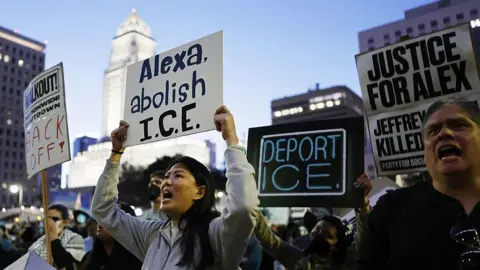
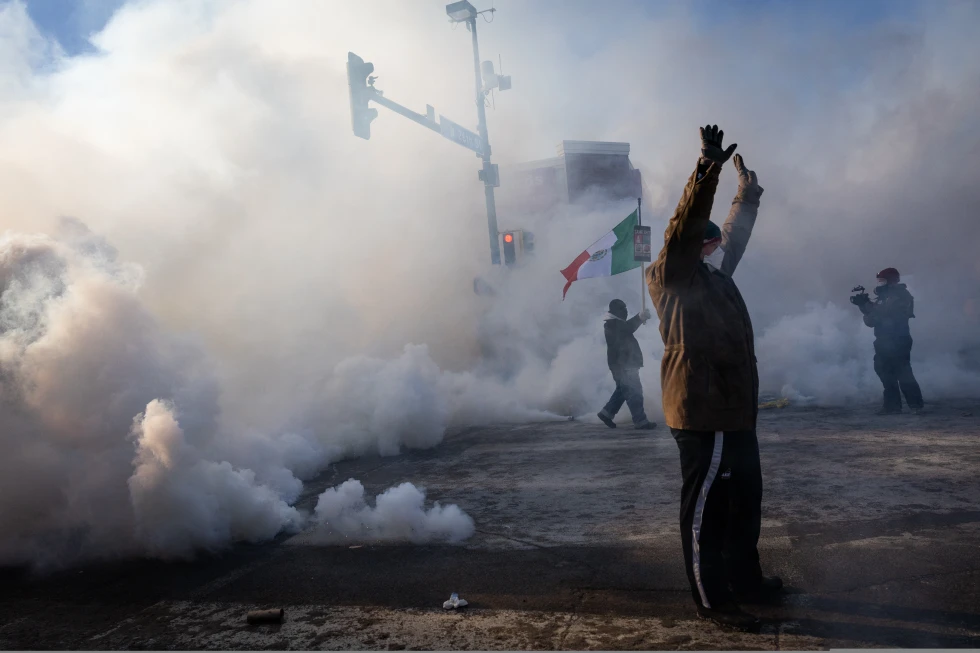
Earlier this month, Judge Kasubhai convened a hearing following U.S. Attorney General Pam Bondi’s letter to Minnesota Governor Tim Walz, which came on the same day federal immigration agents were involved in a shooting incident that sparked widespread protests in the area.
In the letter, Bondi urged Walz to assist federal immigration enforcement and included recommendations to improve cooperation with federal authorities, which included allowing the Justice Department access to states’ voter rolls to verify compliance with federal regulations.
Furthermore, Bondi's letter also requested state records concerning Medicaid and food assistance programs, alongside the repeal of local sanctuary policies that hinder cooperation with federal immigration agents.
The DOJ has faced pushback from states regarding requests for sensitive voter information, with many officials claiming that releasing such data would violate privacy laws. The department is simultaneously pursuing lawsuits against at least 23 states and the District of Columbia as part of its effort to gather this data.
Recent rulings in Georgia and California highlighted the courts' agreement with states that the federal government's requests were unsubstantiated and unwarranted. Specifically, a California judge deemed the Justice Department's request for voter information as unprecedented and illegal.
The Justice Department argues that this data is critical to assess whether election officials are adhering to federal law, raising alarms amongst election officials who assert the sensitivity of the information and its potential misuse beyond the stated objectives.
Judge Kasubhai emphasized during the recent hearing that the Department's correspondence failed to meet the statutory requirements under the Civil Rights Act of 1960, specifically regarding the clarity of the request's basis and purpose. As per the law, records must be solely available for investigations pertaining to election discrimination.
This situation raises constitutional concerns about the extent of the federal government’s authority over state election processes and the legal boundaries of collecting individual voter data.