ORLANDO, Fla. — According to data released by the U.S. Census Bureau, the United States population reached approximately 341.8 million in 2025. However, the nation's growth rate fell to 0.5%, down from just under 1% in 2024, illustrating the effects of President Donald Trump’s stringent immigration policies.
The decline in growth can be directly correlated to a drop in immigration numbers, which saw an increase of only 1.3 million last year, compared to 2.8 million in 2024. Notably, the Census Bureau did not categorize this influx into legal and illegal immigration.
The last time the growth rate was as low was during the peak of the coronavirus pandemic in 2021, when it was just 0.16%. This reflects a broad historical context of low growth rates seen in 1919 amid the Spanish flu.
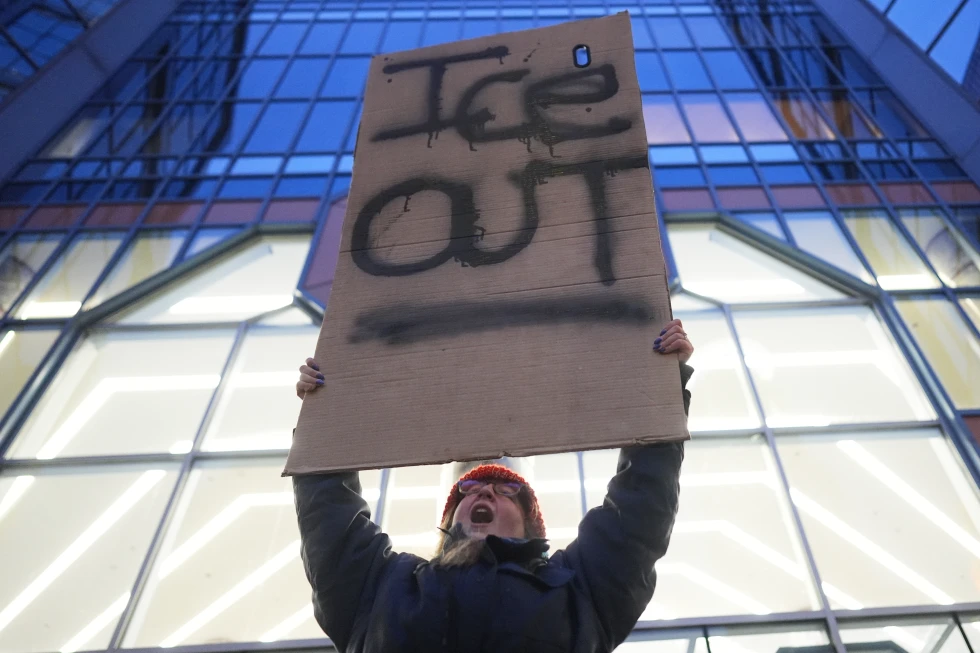
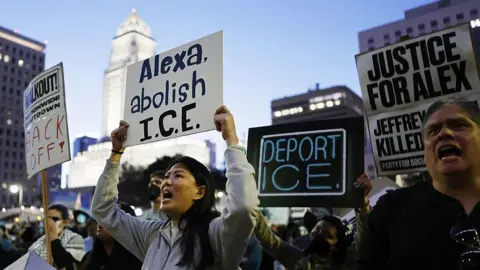
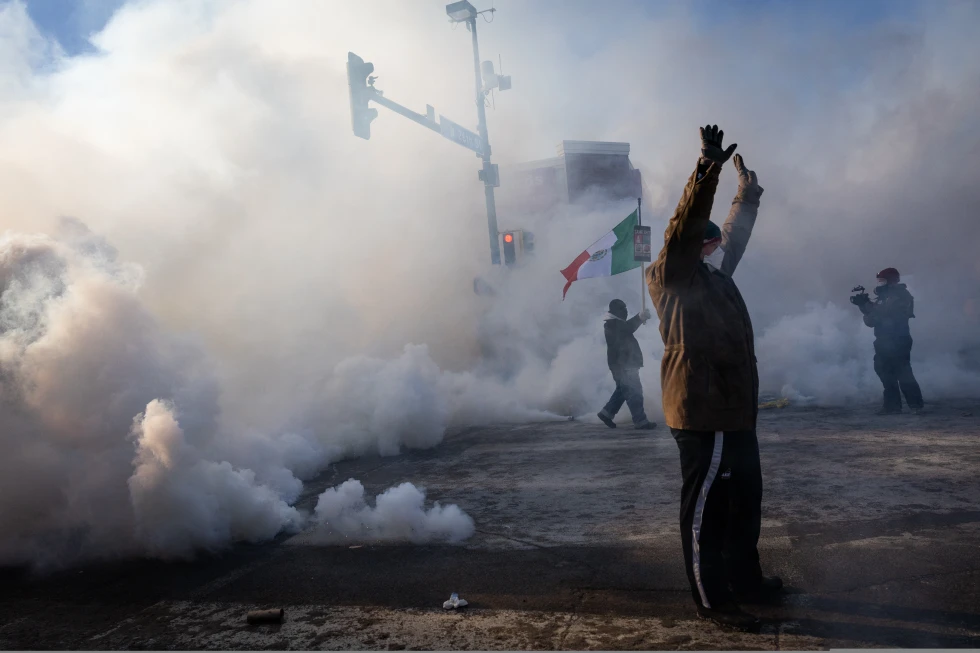
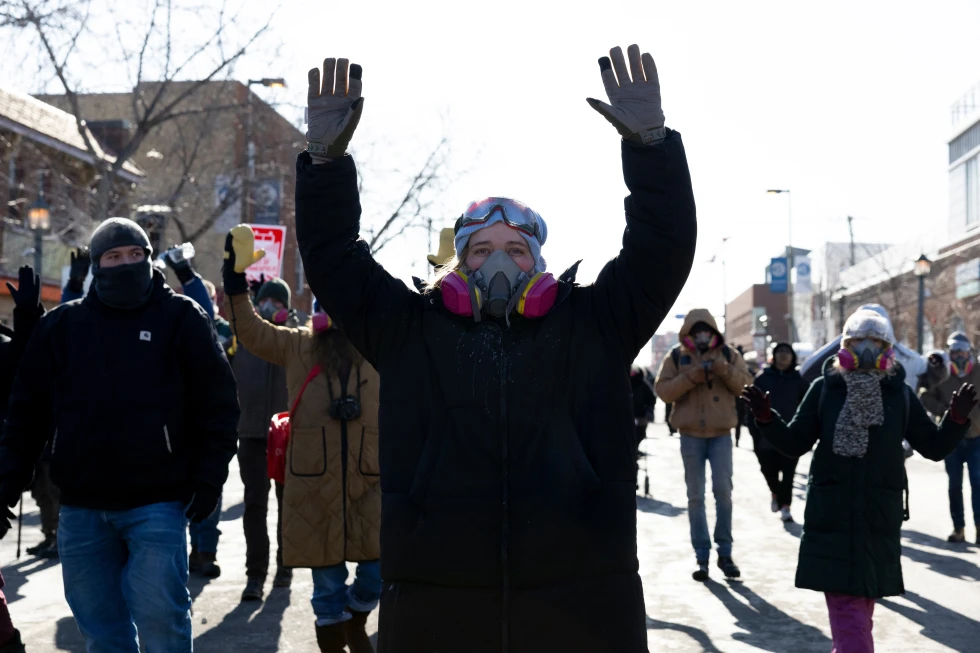
As researchers analyze the ramifications of Trump’s immigration crackdown, which has been a cornerstone of his political agenda since returning to the White House in January 2025, they acknowledge an apparent shift in migration habits. The period analyzed reflects some of the first enforcement efforts in cities like Los Angeles and Portland but does not fully encompass the ongoing impacts of newly imposed restrictions across other major urban areas such as Chicago and Minneapolis.
The stark contrast between the immigration boom in 2024, where migration accounted for 84% of the national increase, and the current slowdown overall reveals a worrying trend for U.S. population dynamics. Eric Jensen, a senior researcher at the Census Bureau, underlined the implications of increased out-migration trends and reduced in-migration.
The current population dynamics prompt critical questions surrounding political oversight within the Census Bureau, especially after recent administrative changes following Trump's return. Critics express concerns about the potential influence on the integrity of demographic data. However, some experts believe that the routine data collection procedures remain unaffected by politicized interventions.
The Census Bureau's estimates are based on government records instead of a full-fledged decennial census, a method that has faced scrutiny, particularly in today’s politically charged context.